Spend a day or more exploring Downtown Seattle on foot, from a century-old public market and a working waterfront to the city's birthplace and several distinct districts, all packed into a walkable core.
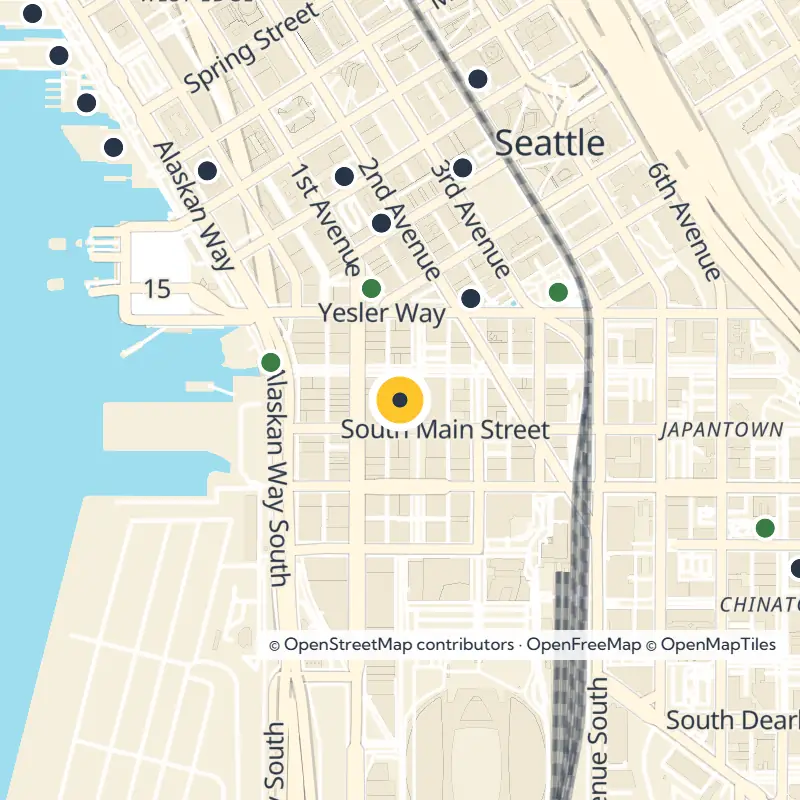
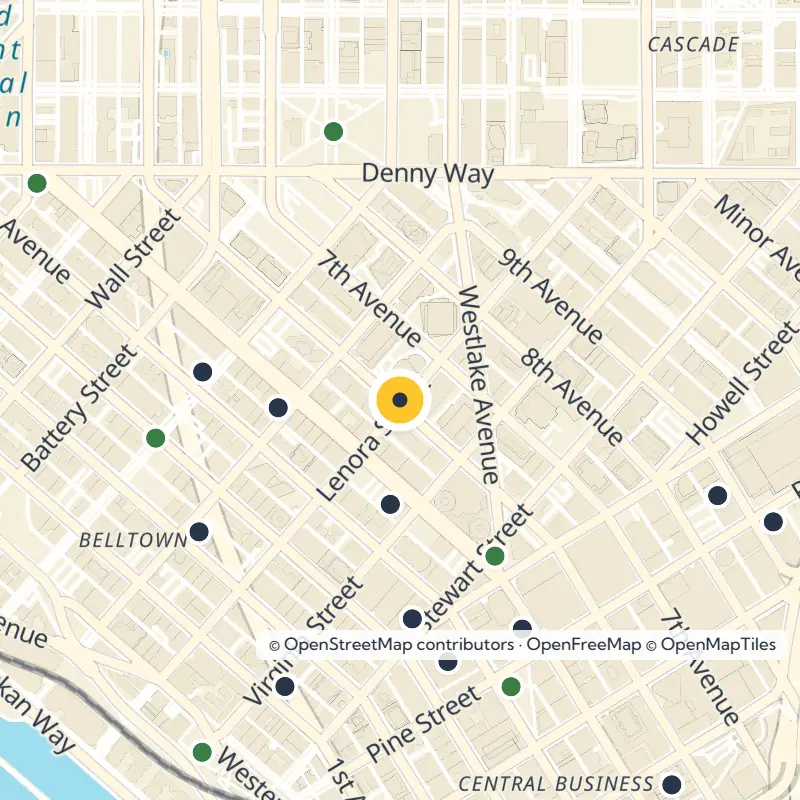
Downtown generally runs from Denny Way in the north to S Dearborn Street in the south, with Interstate 5 on the east and Elliott Bay on the west.
Popular choices include Pike Place Market, the Seattle Aquarium and historic piers on the waterfront, the free Olympic Sculpture Park, Pioneer Square and the Central Library. The Chinatown-International District and Belltown add parks, landmarks and music history.
Yes. The Seattle Art Museum runs the 9-acre park in Belltown free of charge, with modern sculpture set beside a restored shoreline.
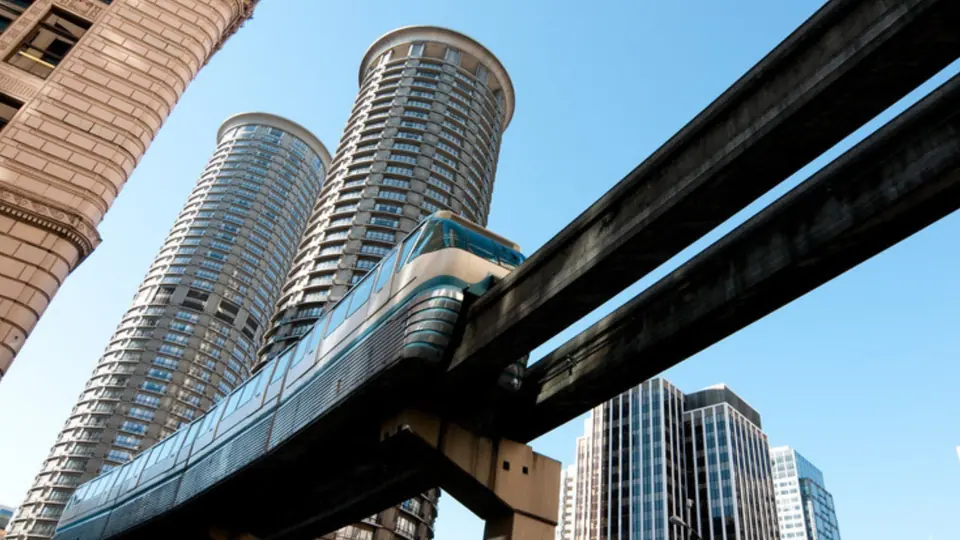
Most sights are walkable, though the hills are steep. Link light rail runs through the downtown transit tunnel, and the monorail links Westlake Center with Seattle Center.
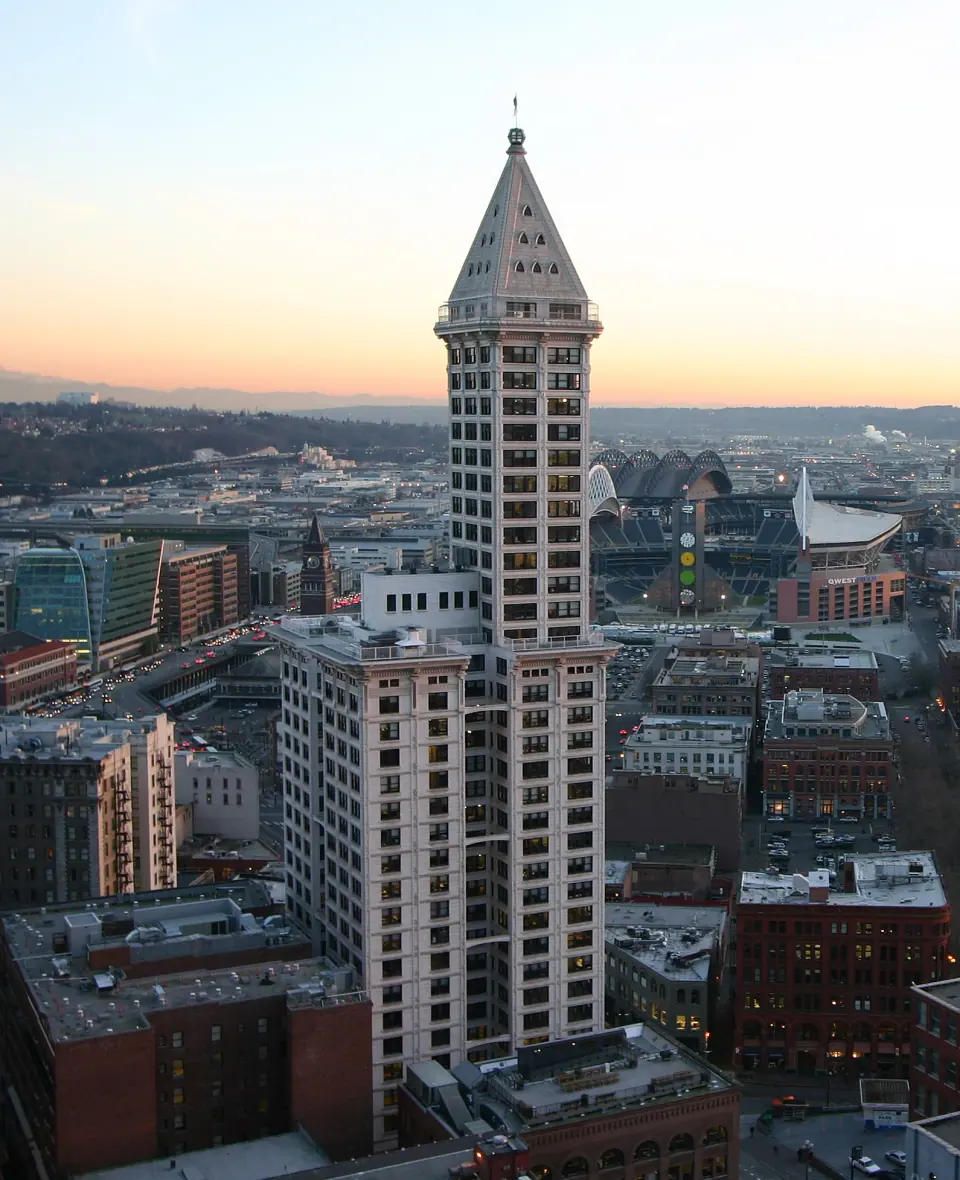
It is roughly where the Denny Party settled in 1852, making it the city's starting point. It is home to Smith Tower and a historic Tlingit totem pole.
About Downtown
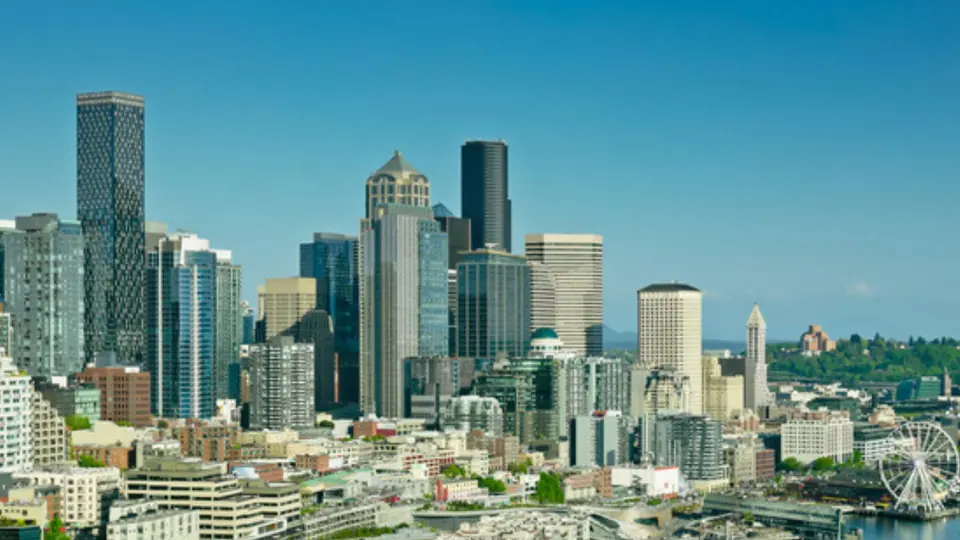
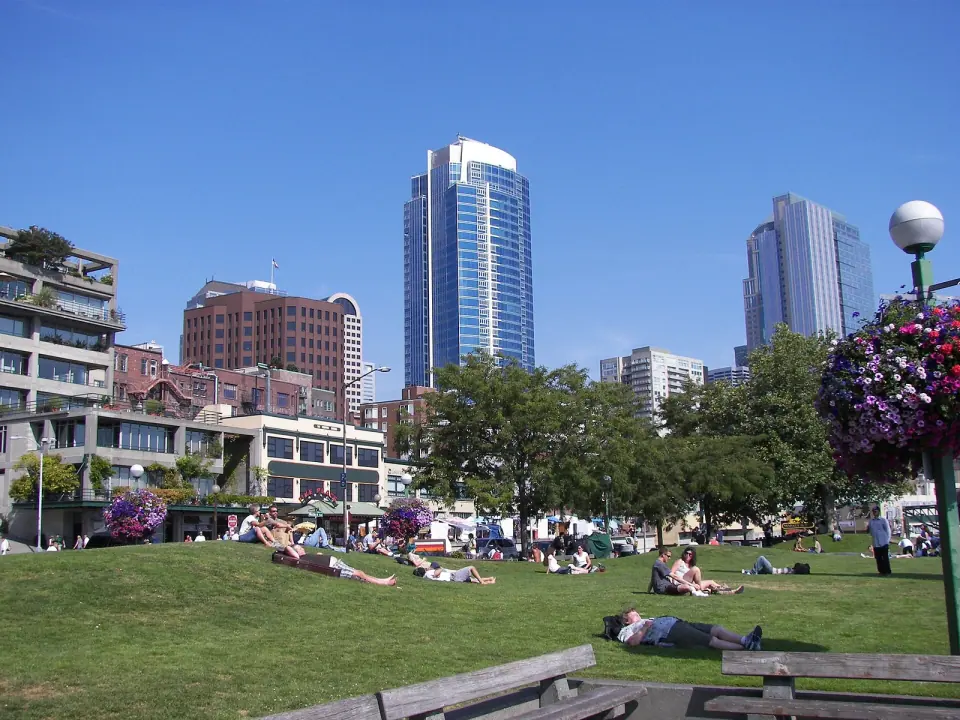
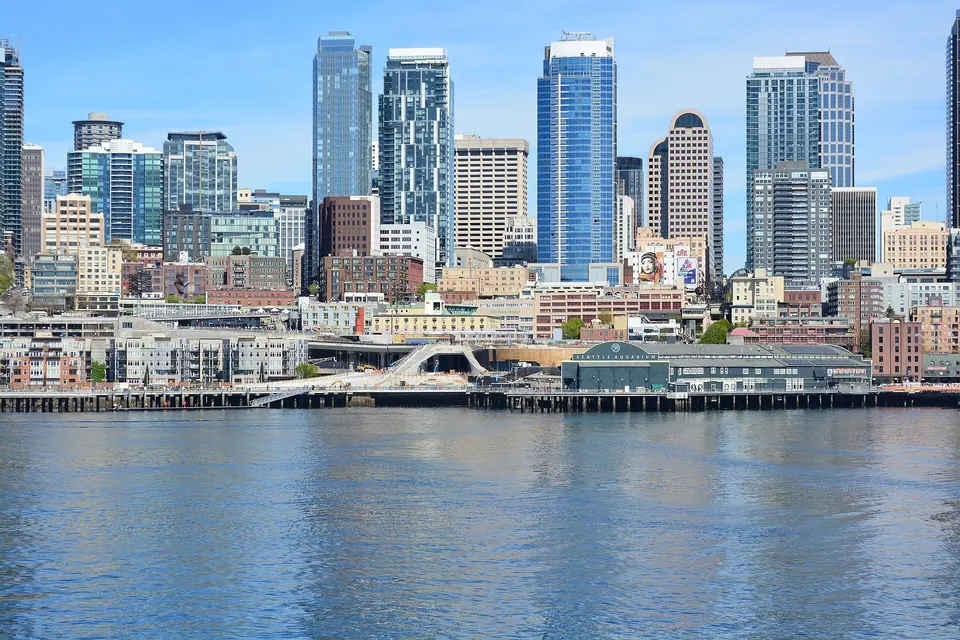
Above Elliott Bay, the stalls of Pike Place Market spread down the hillside, and much of the city center lies within an easy walk. Downtown Seattle is the city's compact, walkable core, and it rewards you most on foot. Wander the waterfront piers, head south to Pioneer Square where Seattle began, then add the Chinatown-International District, Belltown's small plazas, the Central Library and a few parks for a full day or more.
Getting Your Bearings Downtown
Geography keeps the center tight, which makes it easy to explore. Hills rise to the north and east, Elliott Bay stretches along the west, and the south end sits on filled tidal flats. Most people draw the edges at Denny Way to the north, Interstate 5 to the east and S Dearborn Street to the south.
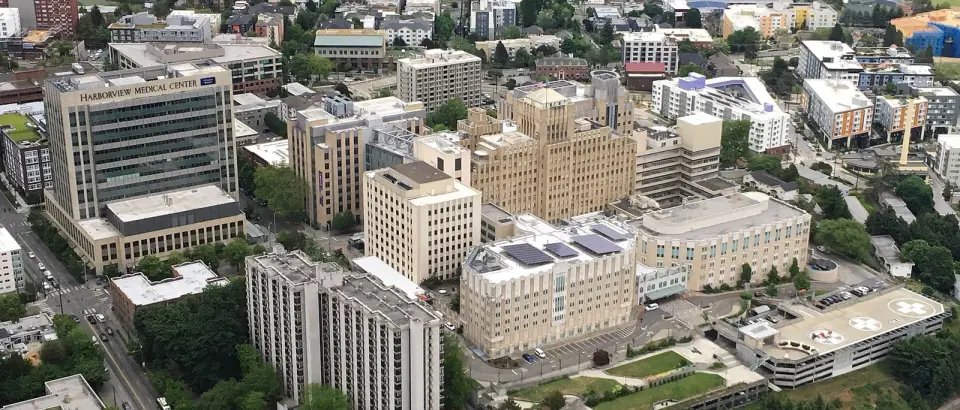
Inside those lines you will find a dozen or so districts, each with its own character. Belltown and the Denny Triangle fill the north end, the retail and financial districts hold the middle, and Pioneer Square, Chinatown, Japantown and Little Saigon anchor the south. The western slope of First Hill, up to Broadway, counts as downtown too.
Read the full Downtown guideShow less
Pike Place Market and the Bluff Above the Bay
Begin where the city's appetite has gathered since 1907. Pike Place Market sells farm produce, fish and handmade crafts, is considered the oldest continuously running farmers market in the United States, and remains the busiest part of downtown. Its stalls spread across several levels down the hillside, so take a moment to learn the layout before you dive in.
As you browse, remember the civic story behind the place: residents fought off a plan to demolish the market, which is a big reason the old buildings still stand. Opening times can change by season and by vendor, so check the market's official channels before you go.
Victor Steinbrueck Park
Step just northwest of the market to this small park, a lookout over Elliott Bay that reopened in March 2025 after a major renovation. It is a natural spot to pause and enjoy something you picked up in the stalls.
Stroll the Waterfront and Its Historic Piers
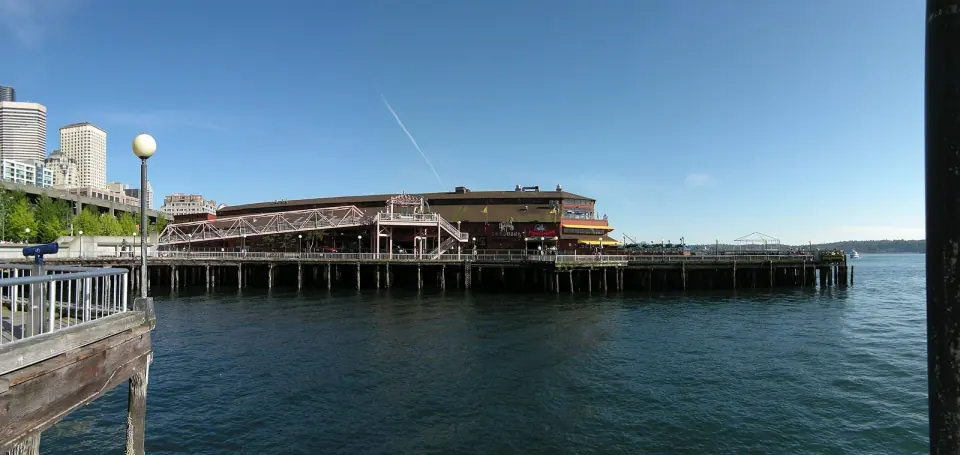
Below the market, the waterfront blends working history with family attractions. Several piers are designated City of Seattle landmarks, so walking from one to the next becomes an easy way to read the city's maritime past.
Seattle Aquarium
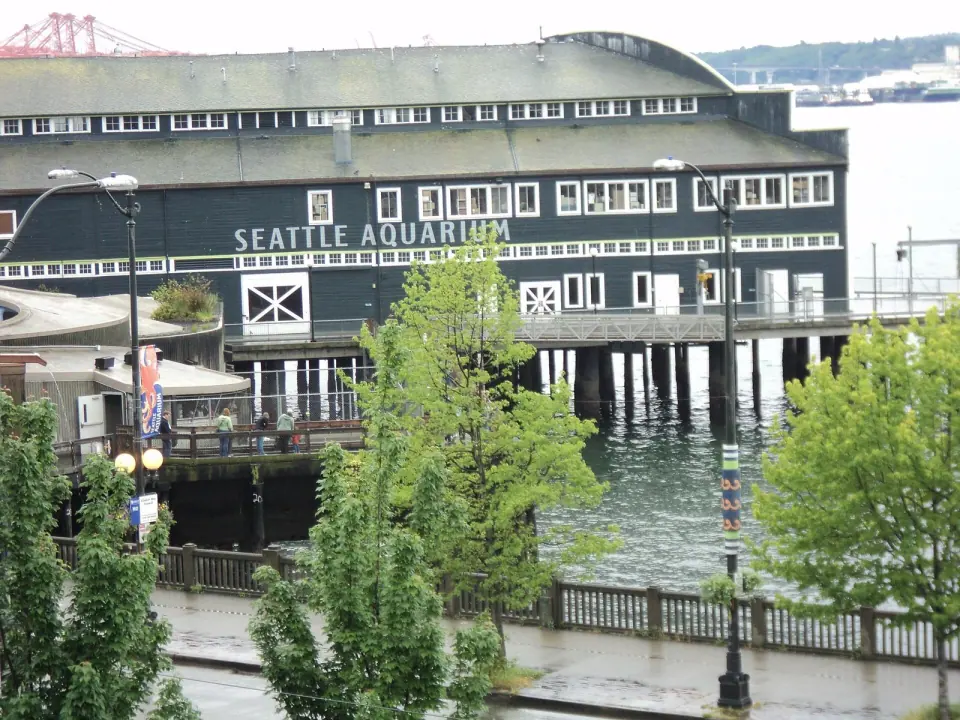
Spread across three buildings at Piers 59 and 60, the Seattle Aquarium invites you to peer into Puget Sound tide pools and watch the sea otters. Then head into the newer Ocean Pavilion to meet sharks and rays from the Coral Triangle. Confirm tickets and hours directly with the aquarium before your visit.
Piers 54, 55 and 57
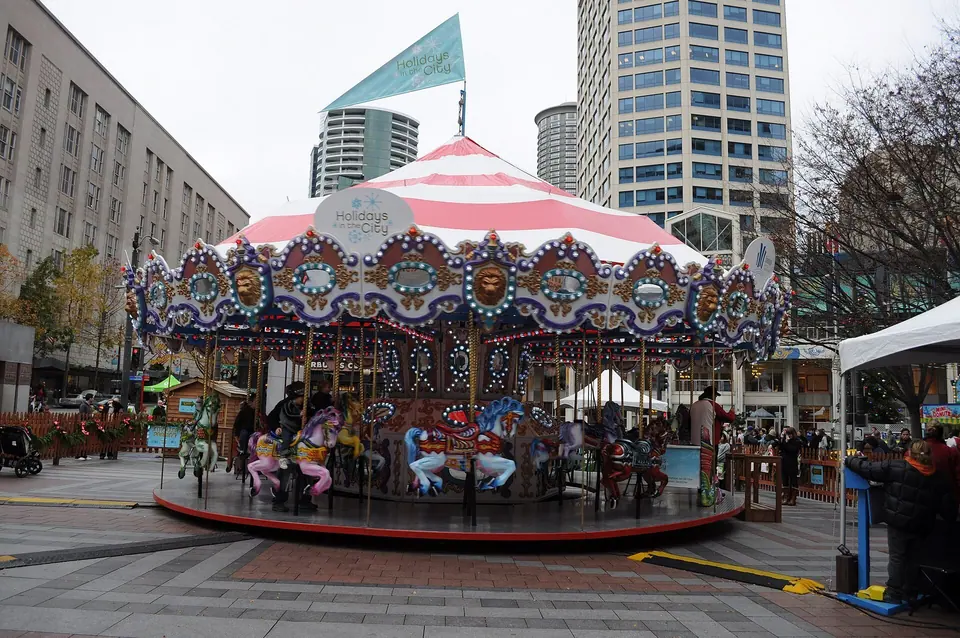
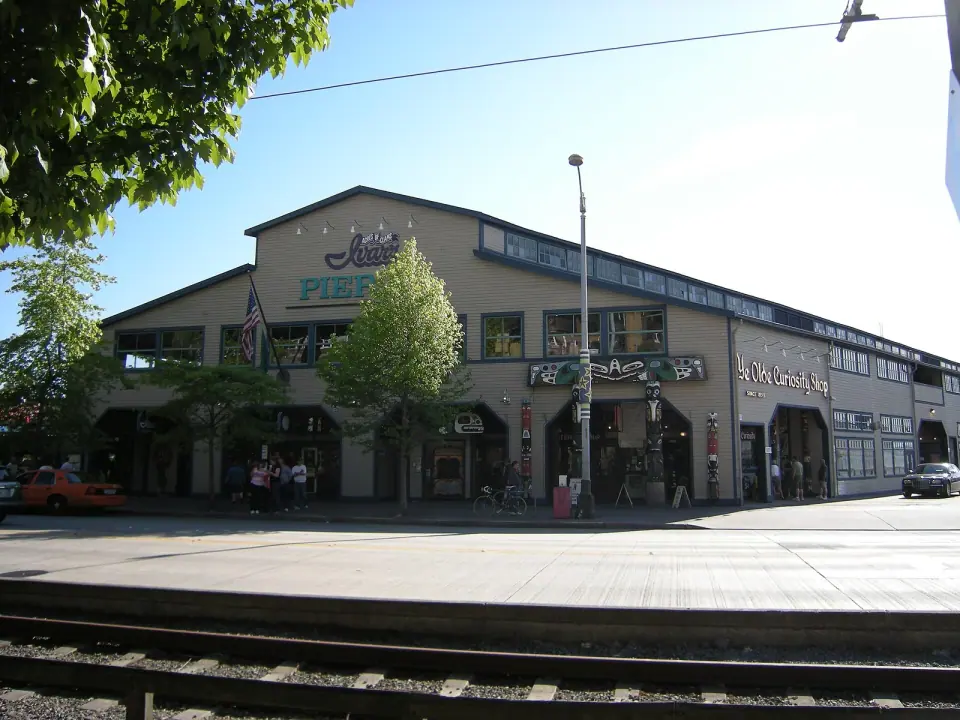
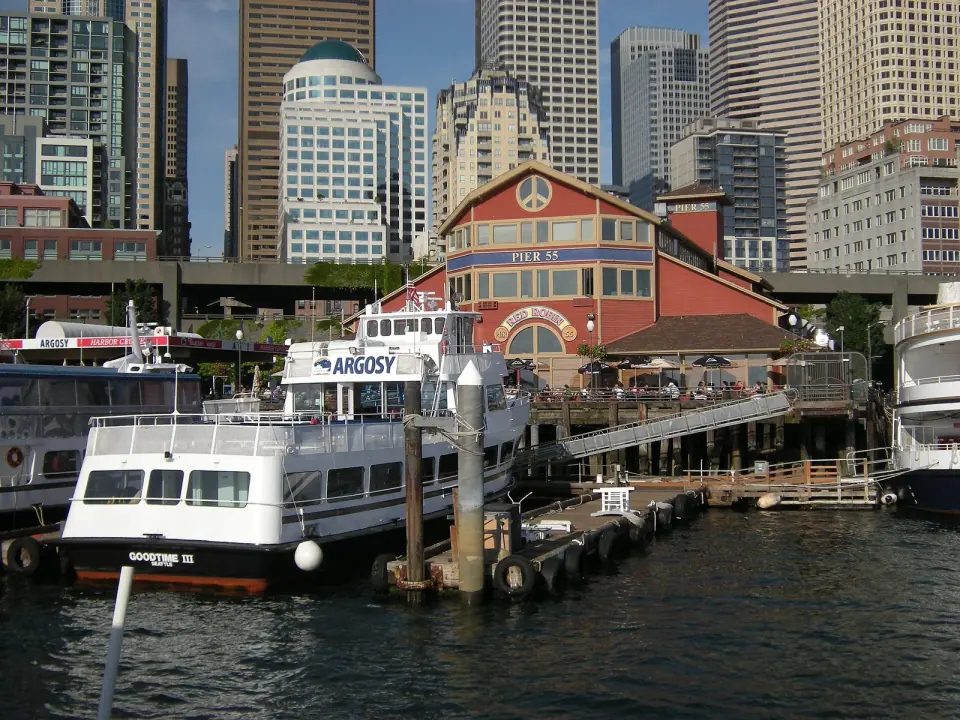
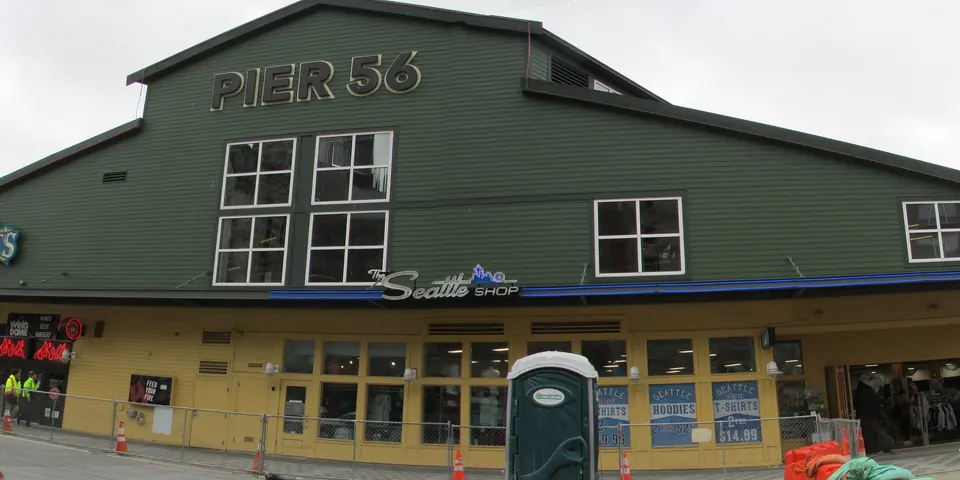
Catch a ride on the Seattle Great Wheel at Pier 57, a pier dating to 1902 that also holds a vintage carousel, shops and seafood restaurants. Next door, Pier 55 was rebuilt that same year after a collapse and now serves as the Seattle terminal for Argosy Cruises. At the foot of Spring Street, Pier 54 once welcomed wooden steamers, and it is where Ivar Haglund opened his first aquarium and fish and chips stand.
Olympic Sculpture Park
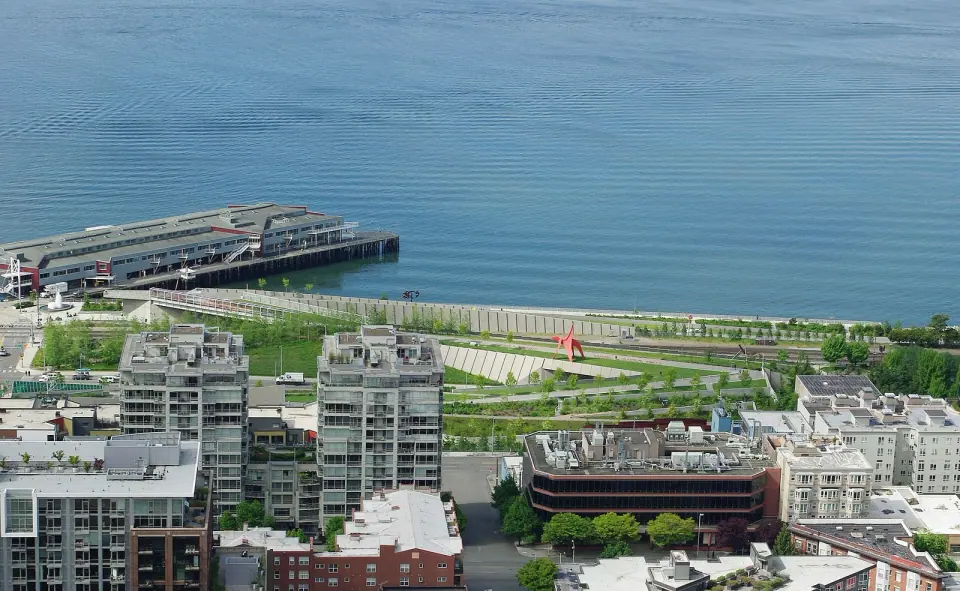
Finish your waterfront walk at the north end in Belltown, where the Seattle Art Museum runs the free, 9-acre Olympic Sculpture Park. Completed in January 2007 on a former industrial site, it sets large modern sculpture beside a restored Puget Sound shoreline.
Pioneer Square, Where Seattle Began
Walk south to the ground where the city's story starts. In April 1852 the Denny Party crossed the bay and settled on marshy land beside a deep, sheltered harbor, roughly where Pioneer Square sits today, and they named the place "Duwamps." After the Great Seattle Fire, the business district moved north into what is now the downtown core.
The Totem Pole and Nearby Squares
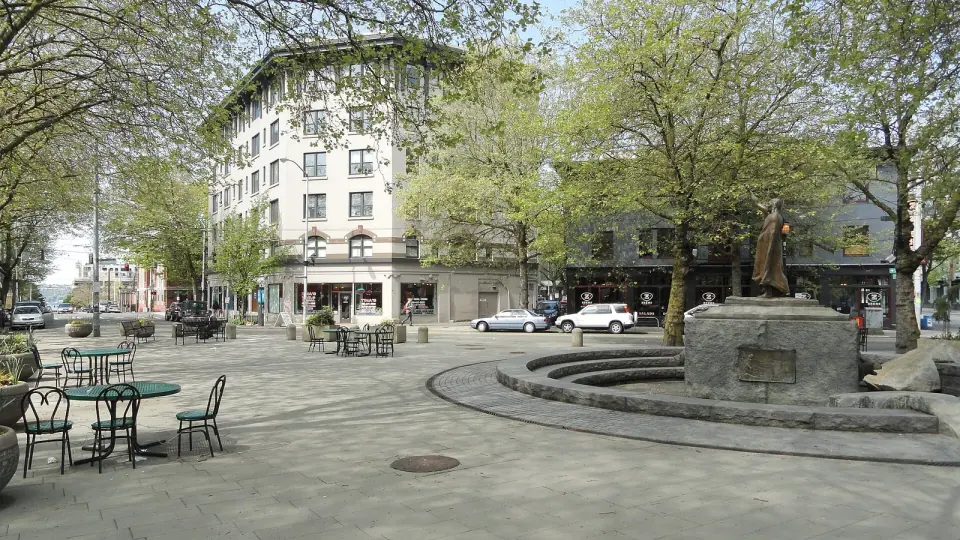
Look up at the 50-foot Tlingit totem pole in the little park at 100 Yesler Way, a National Historic Landmark. Its story runs from a carving made in Alaska in 1790, through a theft in 1899, to the replica installed in 1940. From there, use Occidental Square as a base for exploring the surrounding blocks.
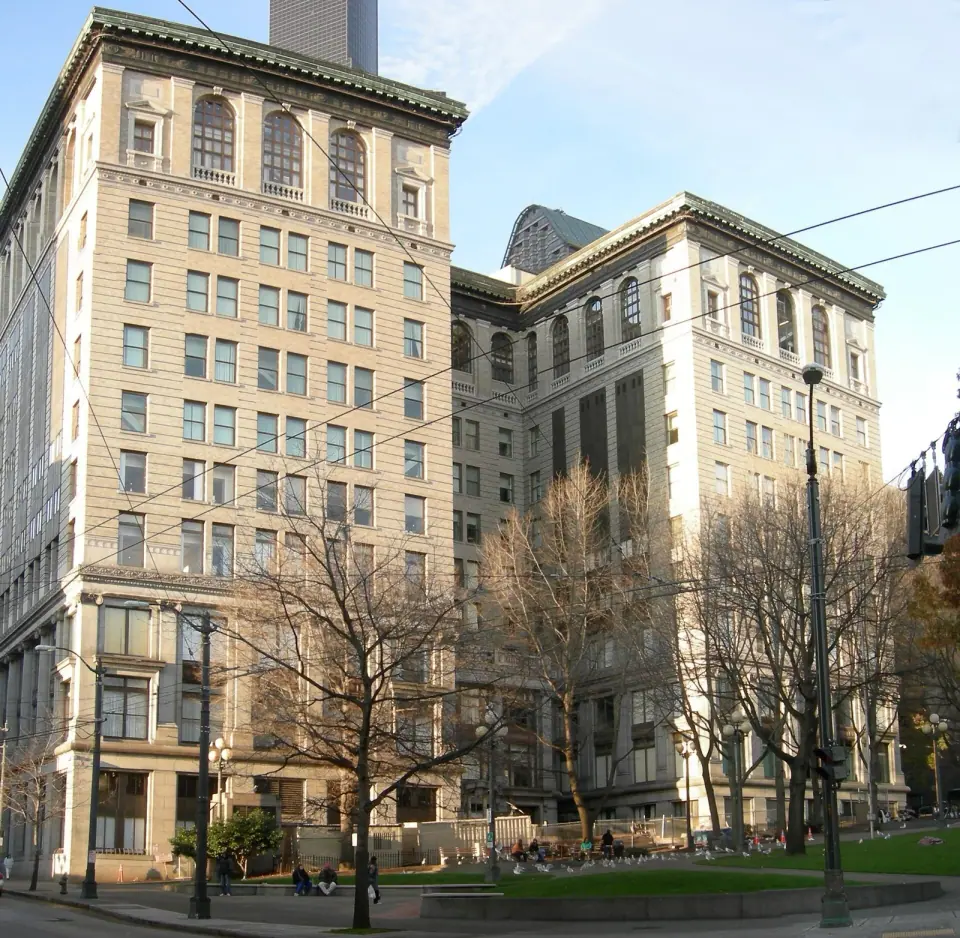
City Hall Park, a 1.3-acre lawn beside the King County Courthouse, reopened in 2023. Today it has a permanent park ranger and a nightly art installation honoring Coast Salish voices.
Early Skyscrapers
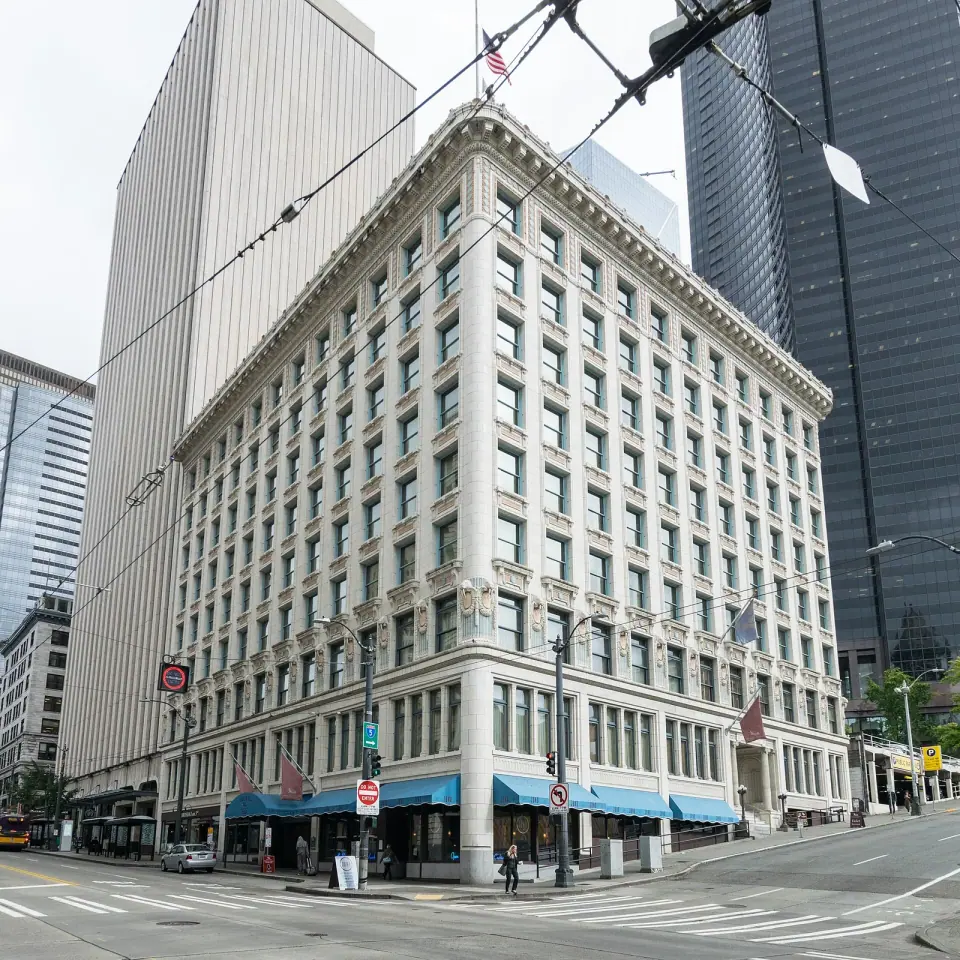
Spot the white terra cotta of Smith Tower on 2nd Avenue, which opened in 1914 and reigned as the tallest building on the West Coast until the Space Needle arrived in 1962. A few blocks away, the 17-story Hoge Building from 1911 briefly held the title of tallest in Seattle. Then hunt for the terra cotta walrus heads on the Arctic Building, built for a club of Klondike Gold Rush veterans.
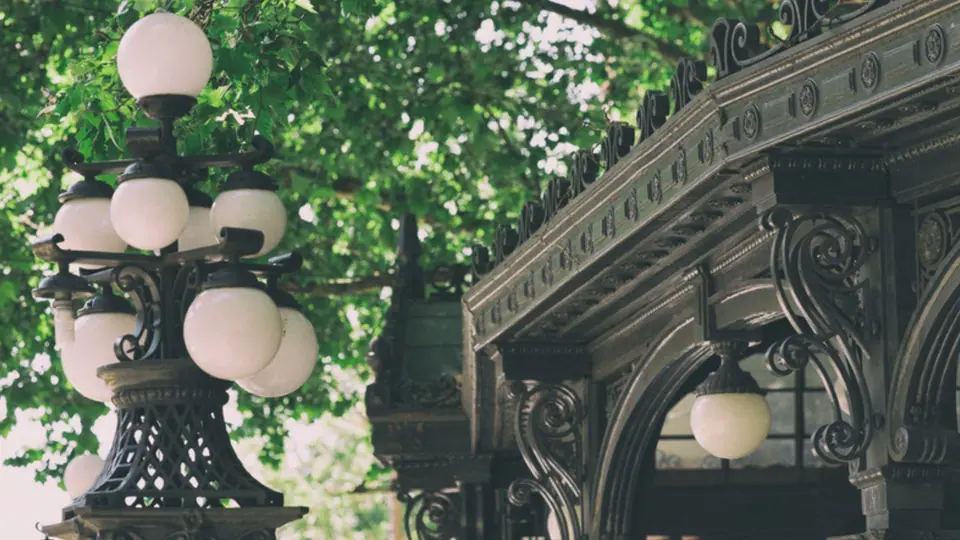
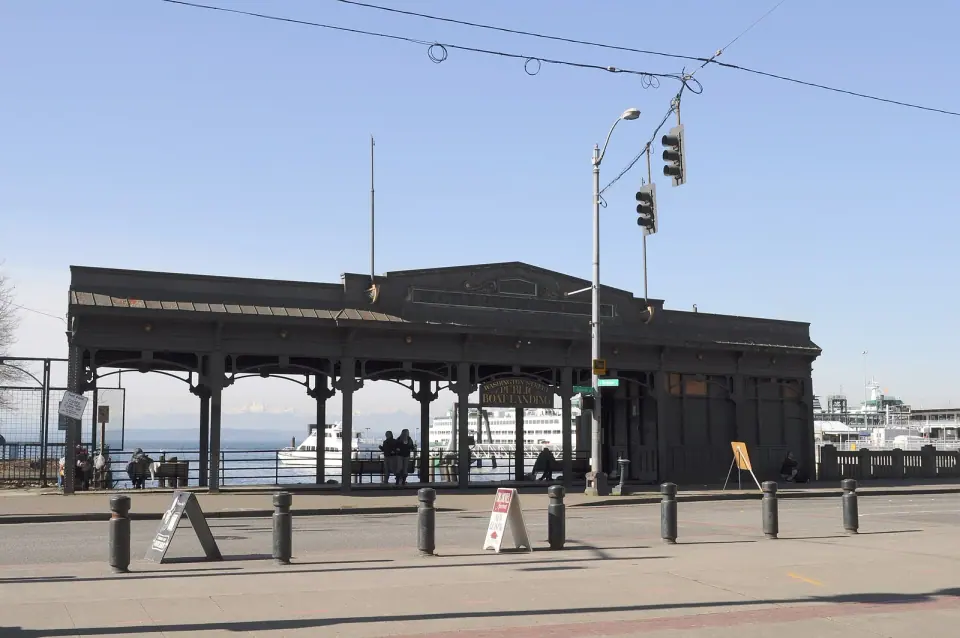
Down on Alaskan Way S, the Washington Street Public Boat Landing is a 1920 pergola built for the Seattle Harbor Department and listed on the National Register of Historic Places.
Explore the Chinatown-International District
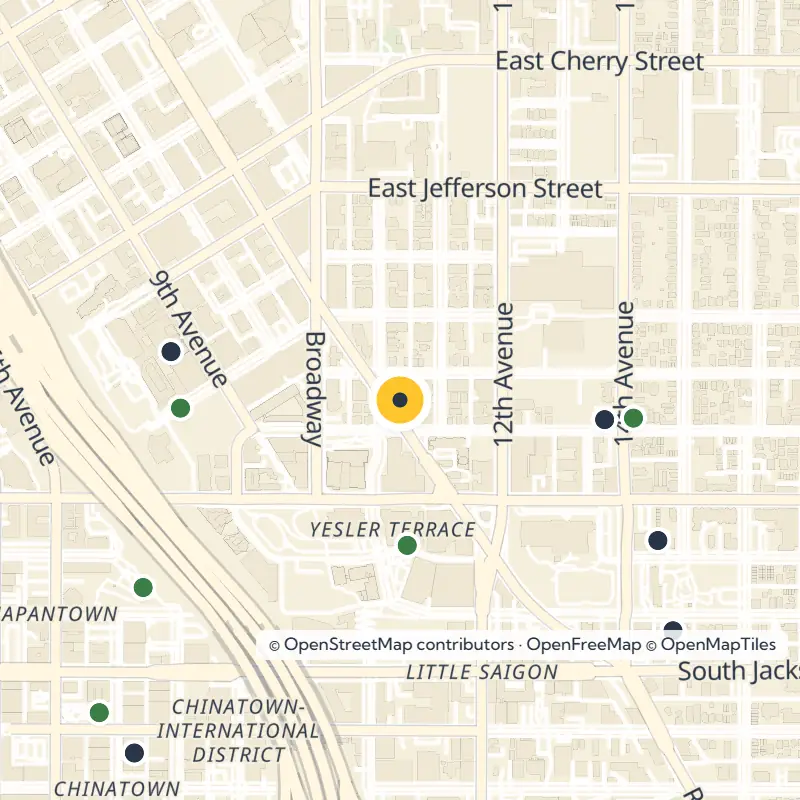
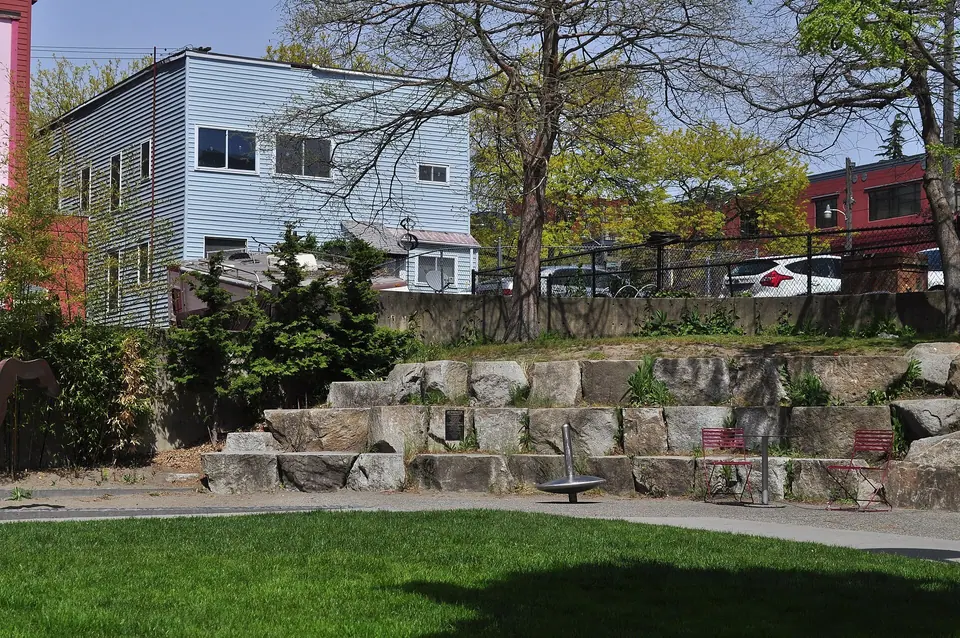
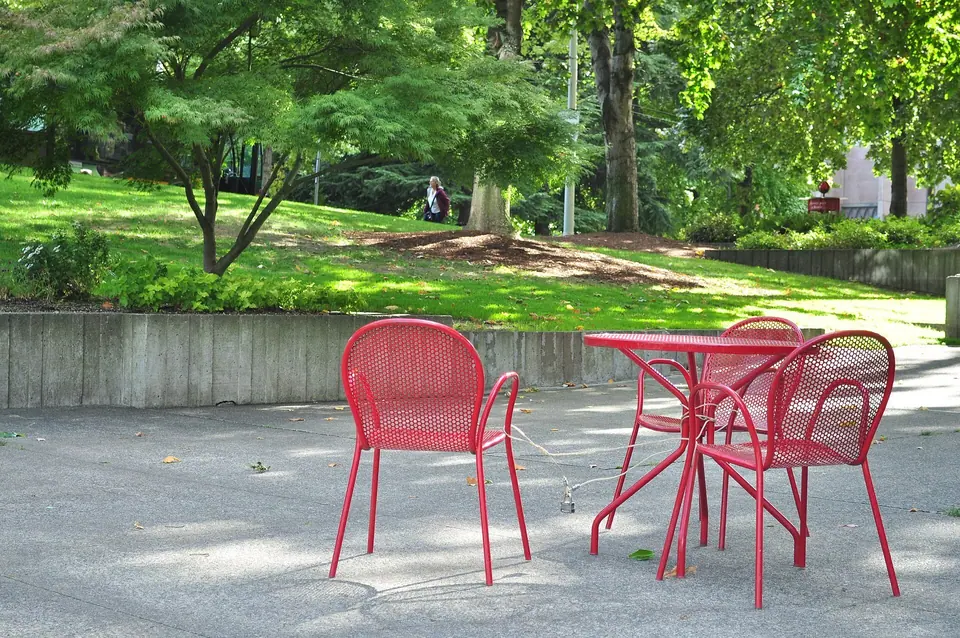
Just east of Pioneer Square, the Chinatown-International District brings Chinatown, Japantown and Little Saigon together. Here the parks serve as community gathering spots, not just patches of green.
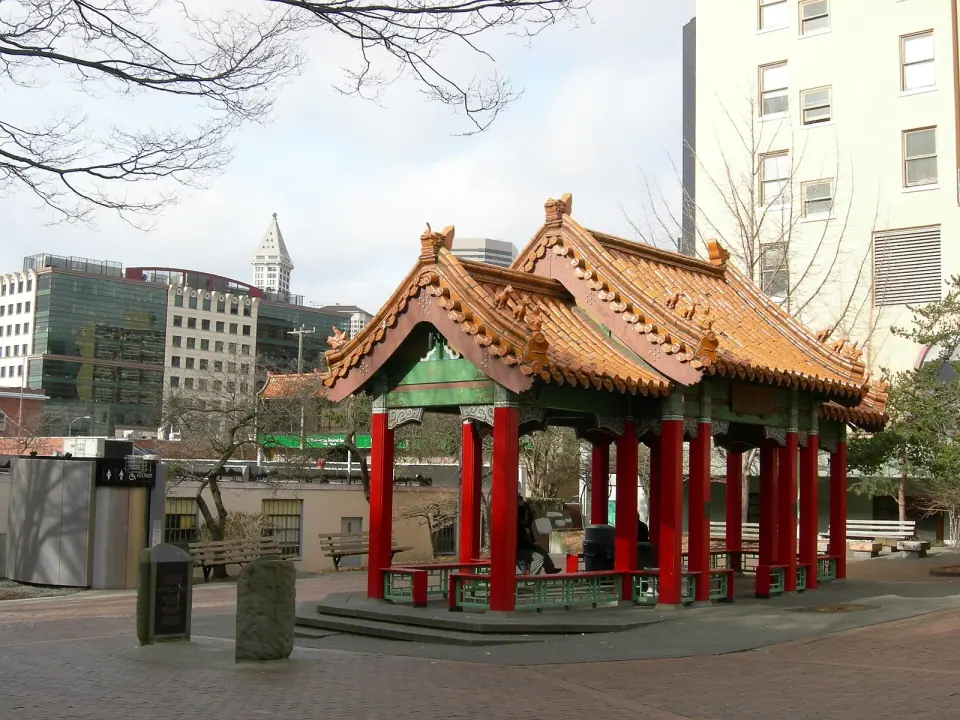
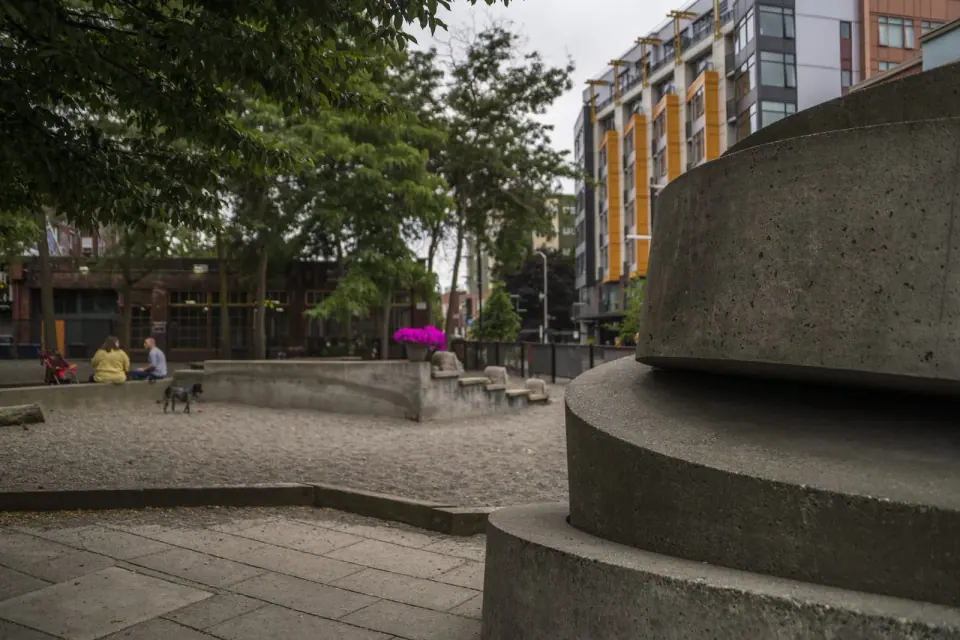
Hing Hay Park is the neighborhood's square, with a pavilion donated by the mayor of Taipei, a dragon mural from 1977, tai chi in summer and the annual Dragon Fest.
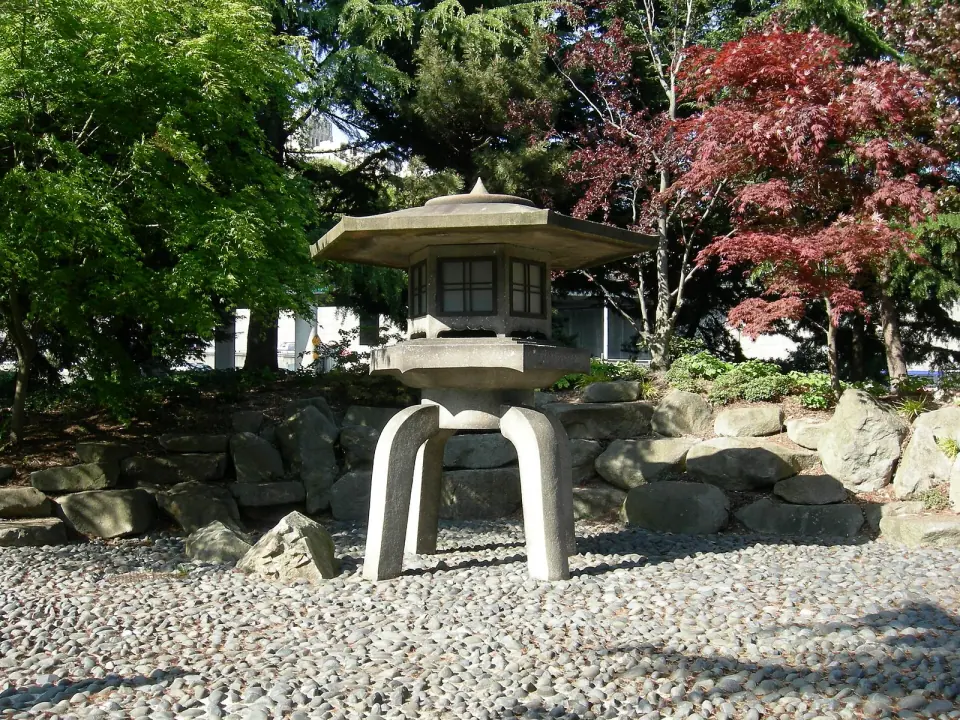
Kobe Terrace, a 1-acre park named for sister city Kobe, Japan, holds the Danny Woo International District Community Garden.
International Children's Park, which locals call Dragon Park, centers on a bronze dragon by Gerard Tsutakawa and honors volunteer first responder Donnie Chin.
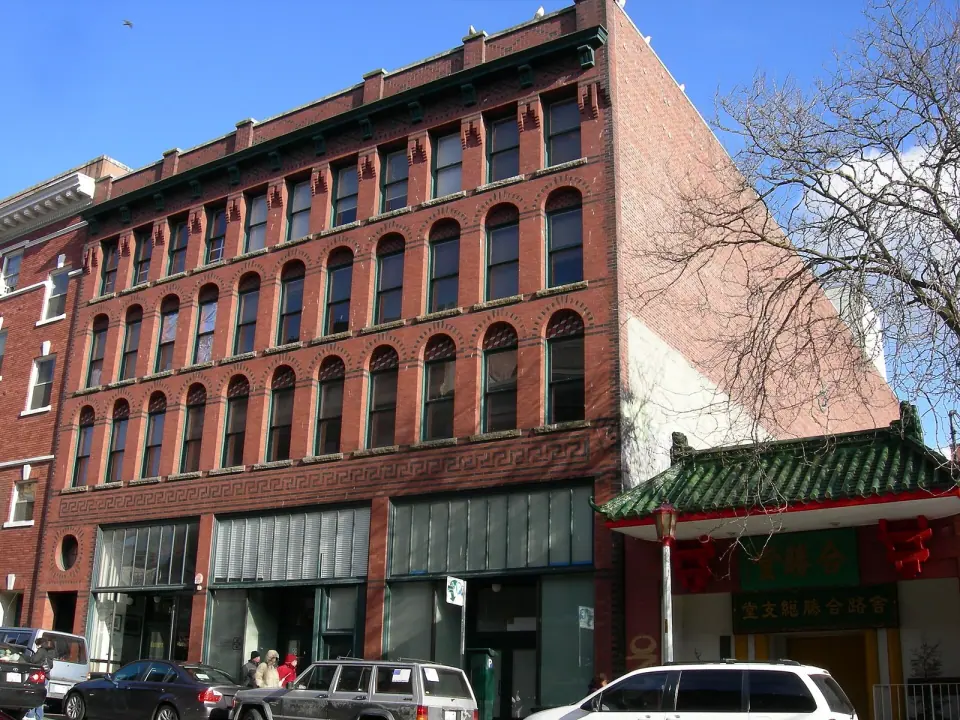
On Maynard Avenue South, look for the Eastern Hotel, built in 1911 for the Wa Chong Company and now a City landmark closely tied to the district's history.
The Retail Core, Library and Theater District
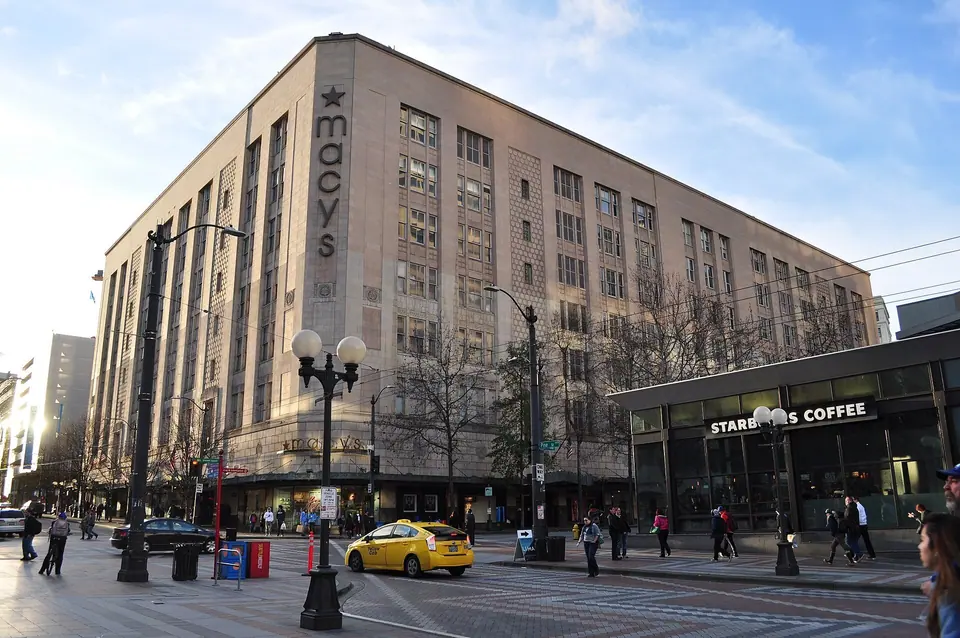
In the middle of downtown, shopping, transit and big civic buildings come together. Westlake Park at 4th Avenue and Pine Street serves as the city's town square and received a makeover in 2026, while nearby Westlake Center, a mall, marks the downtown end of the monorail.
Central Library
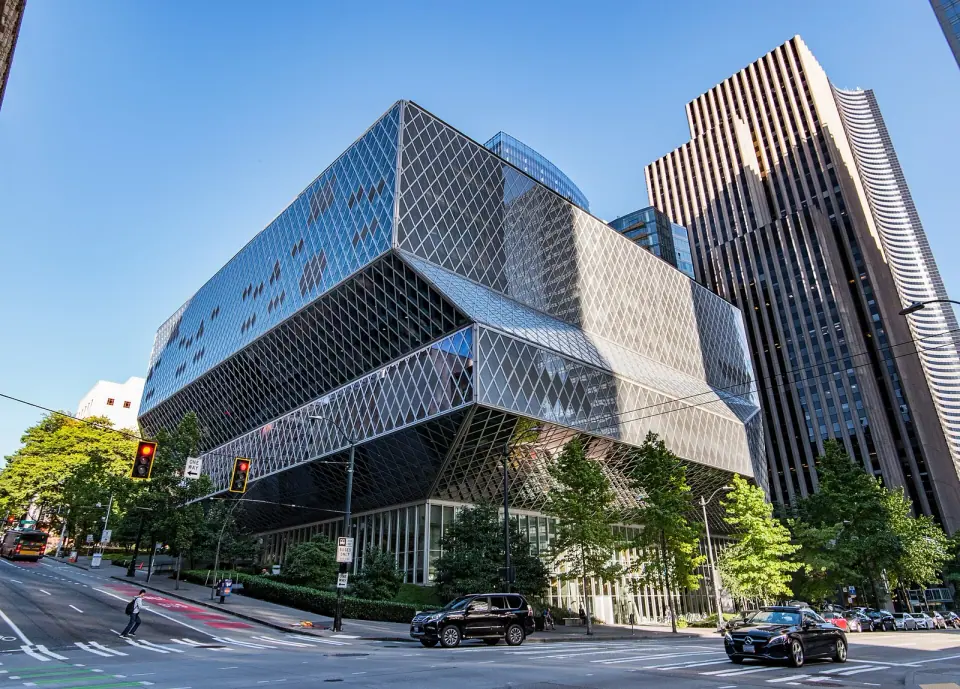
Step inside the Central Library at 1000 4th Ave, an 11-story glass and steel building designed by Rem Koolhaas. Climb the Books Spiral, see the Red Floor and settle into the reading room on the tenth floor, even if you never check out a book.
Freeway Park and the Paramount
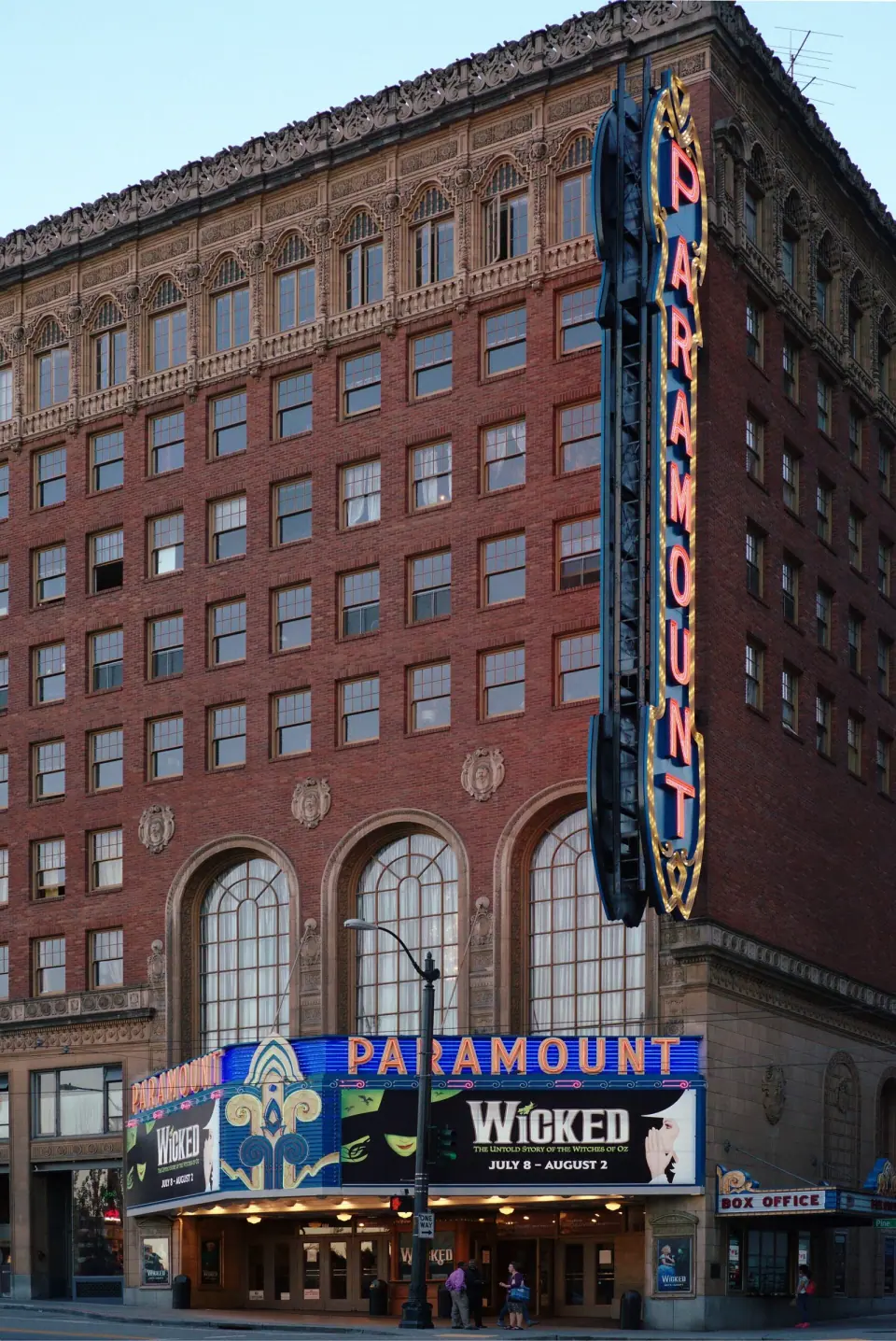
Spend a quiet moment in Freeway Park, 5.2 acres built right over Interstate 5 when it opened in 1976. It links downtown with the Seattle Convention Center and First Hill and is now a designated Seattle Landmark. In the evening, catch a Broadway tour, concert or comedy show at the Paramount Theatre, a 1928 movie palace at 9th and Pine that seats 2,807.
Belltown and the North End
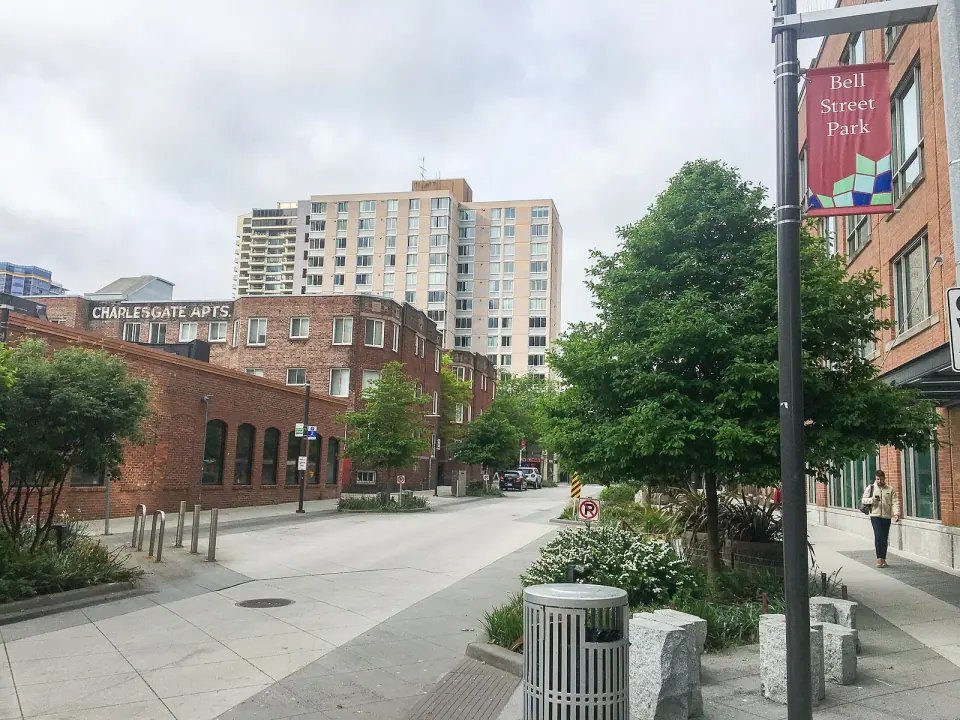
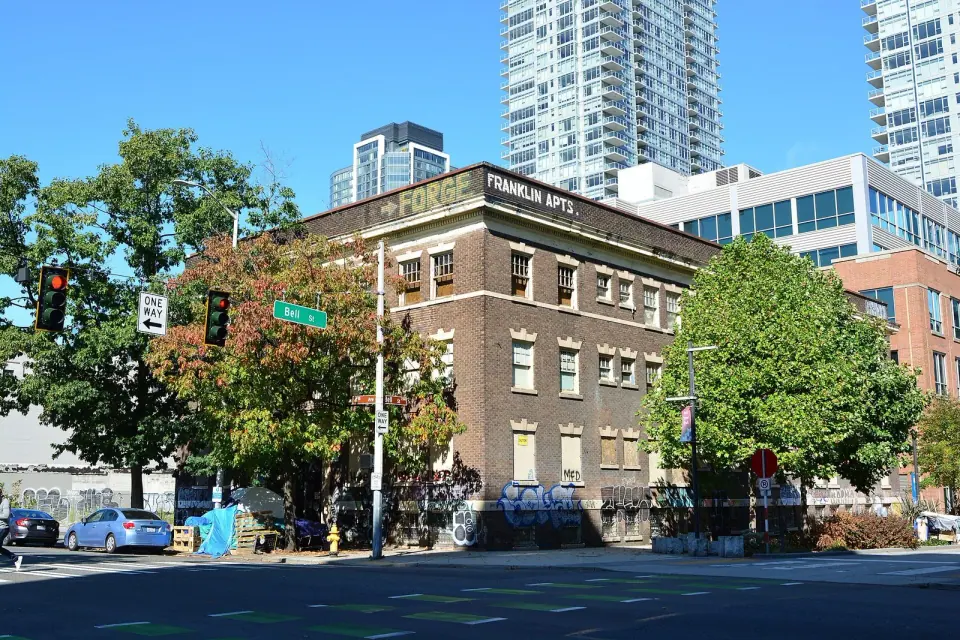
Head north to Belltown for some of downtown's most unusual public spaces. Bell Street Park, finished in 2014, is a curbless shared street where walkers and drivers use the same surface, and Tilikum Place, a small triangular plaza, is anchored by James Wehn's life-size statue of Chief Seattle.
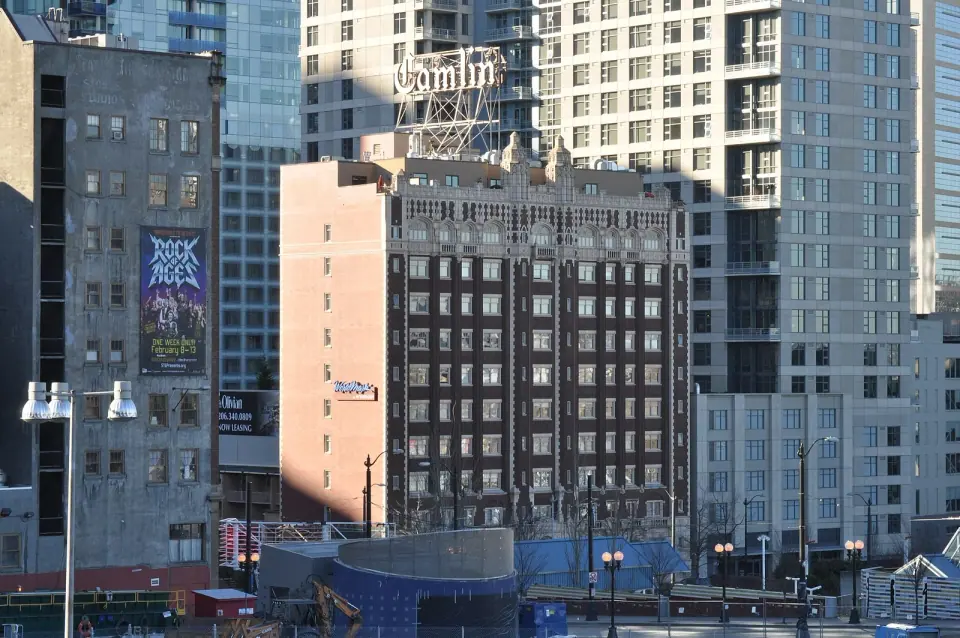
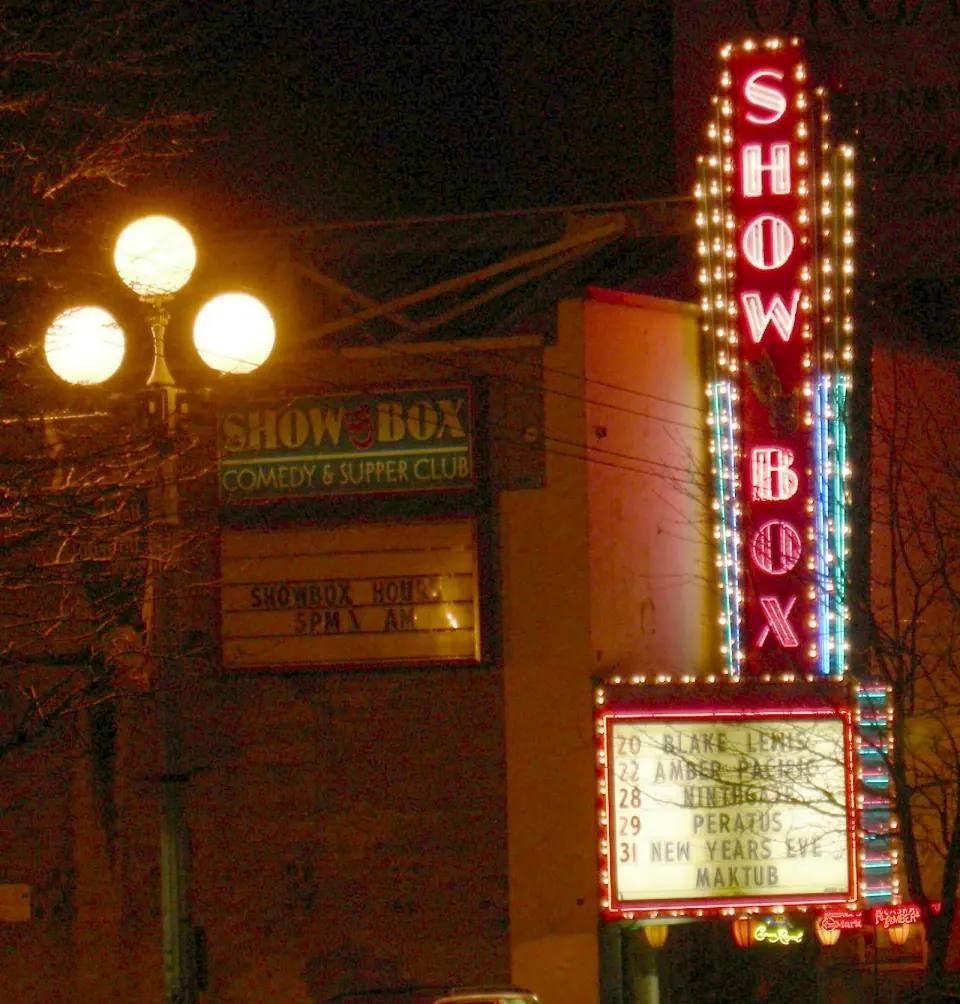
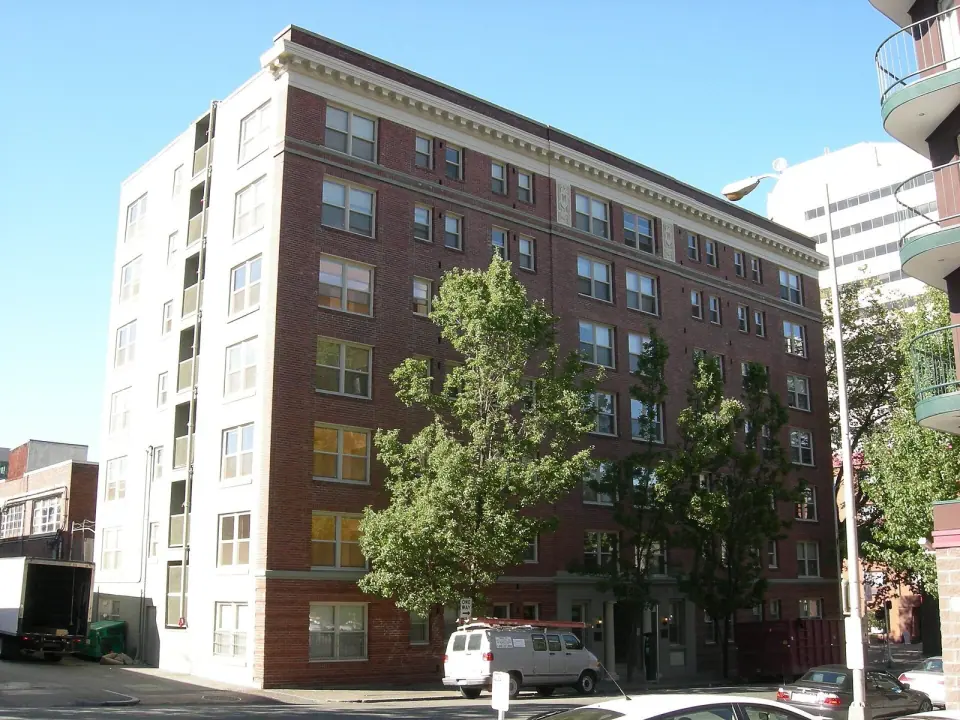
Music history runs deep here as well. The Showbox on 1st Avenue has hosted acts from Duke Ellington to Soundgarden since 1939 and became a City landmark in 2019 after a public campaign to save it. On Ninth Avenue, the Camlin Hotel opened in 1926 and once housed the Cloud Room, a rooftop lounge that drew Sinatra, Elvis and Miles Davis.
Architecture Worth Looking Up For
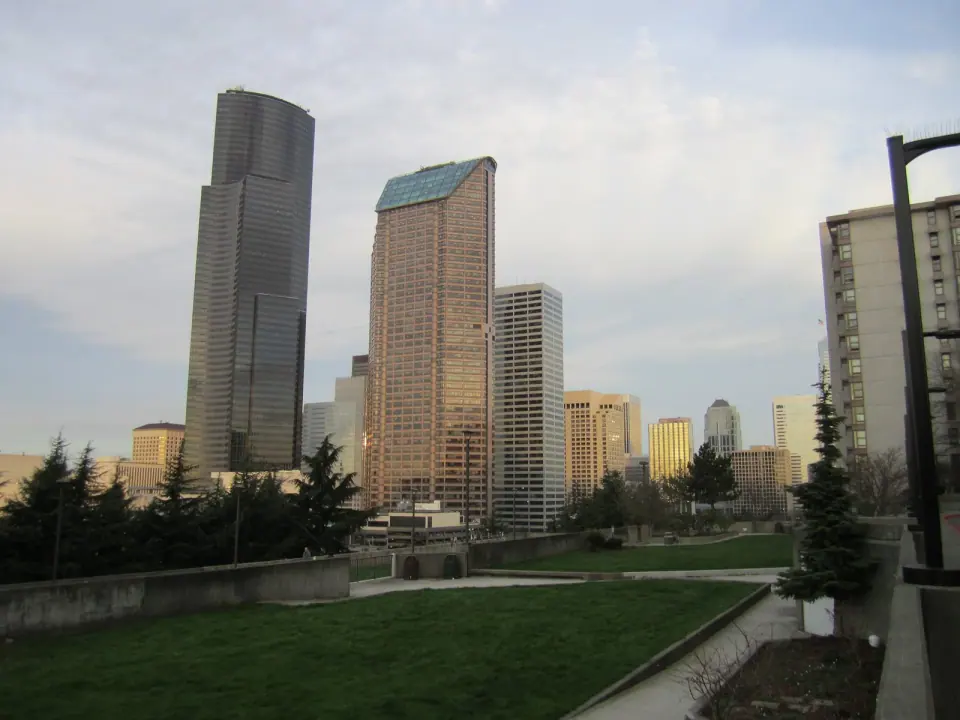
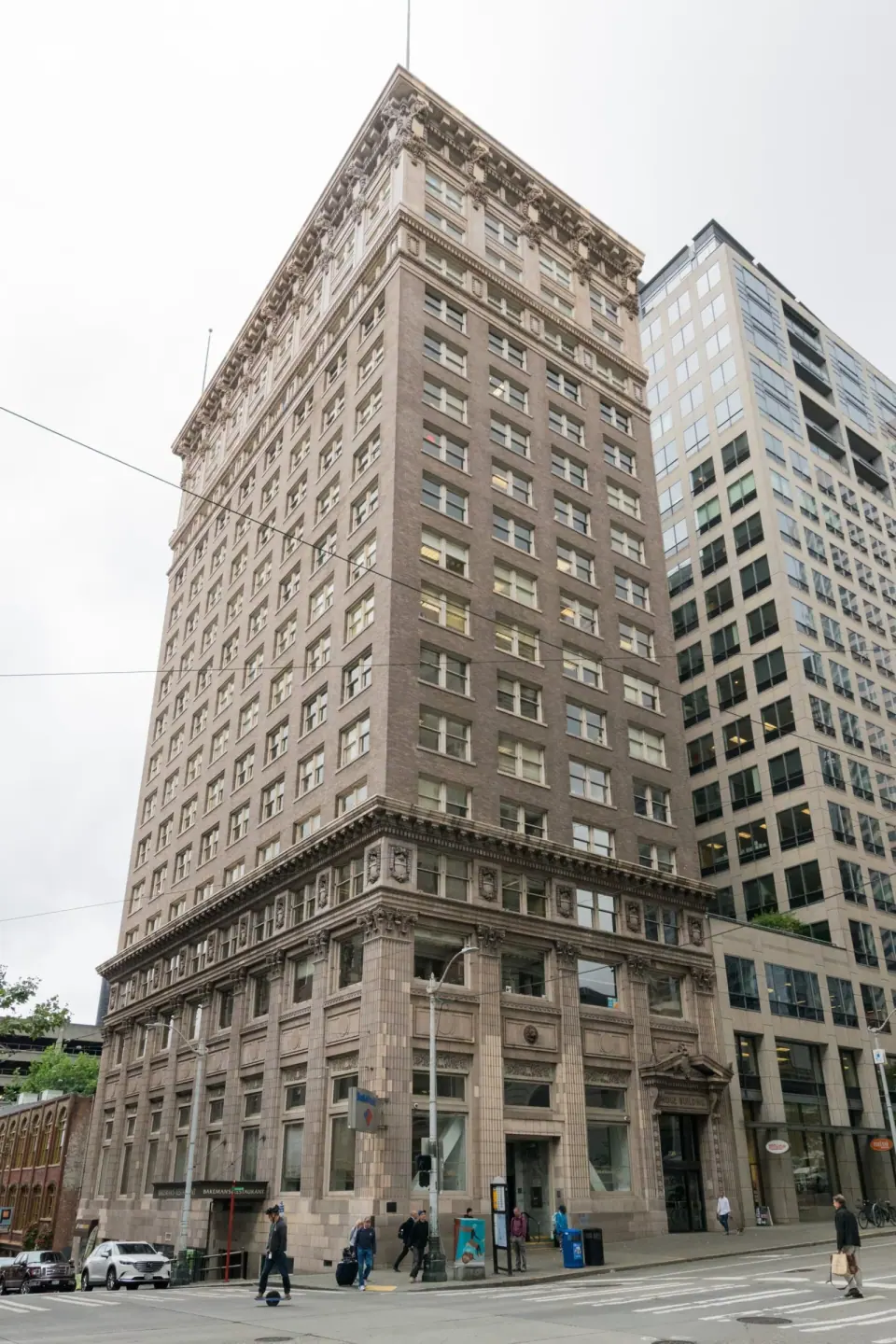
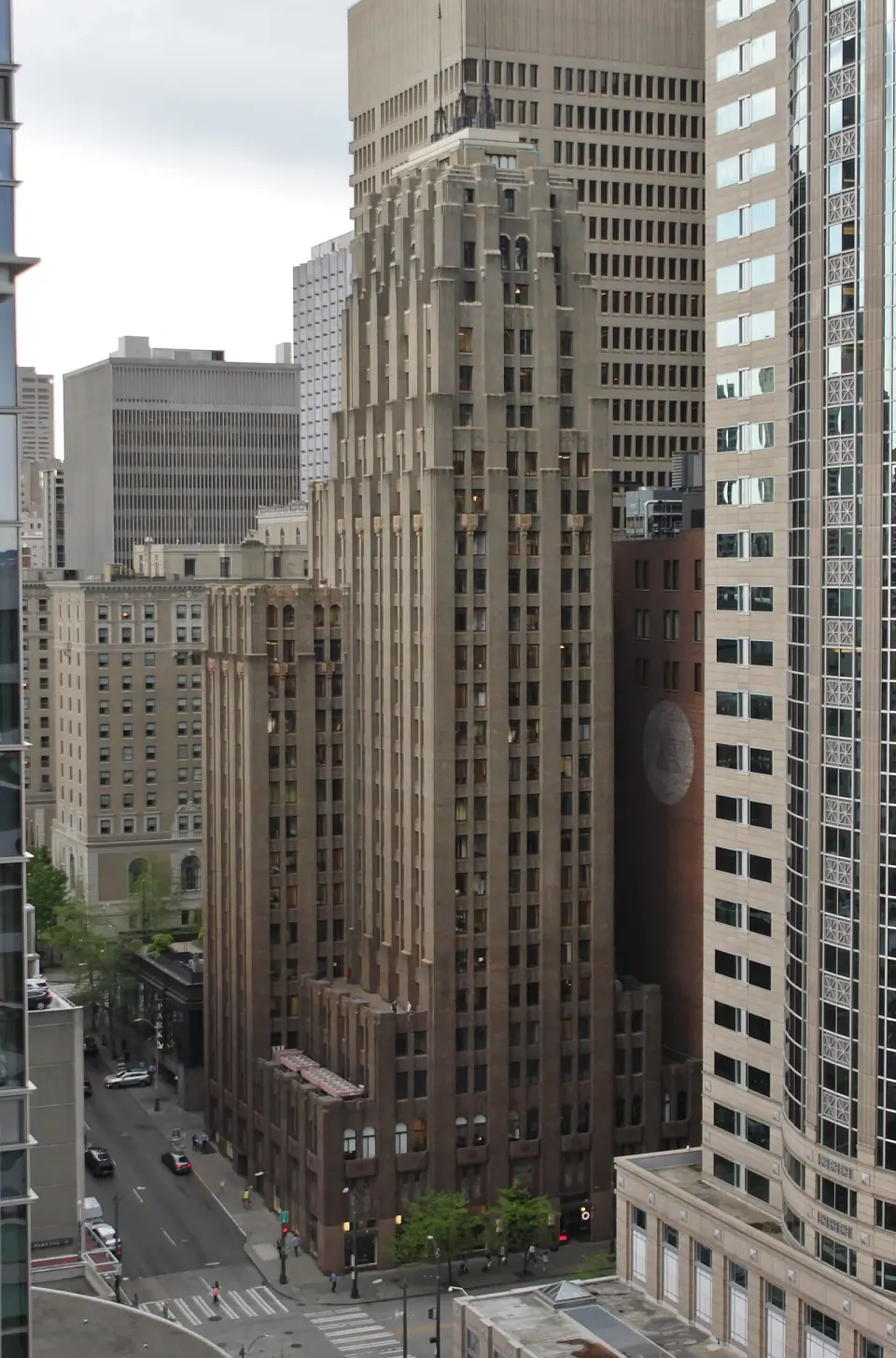
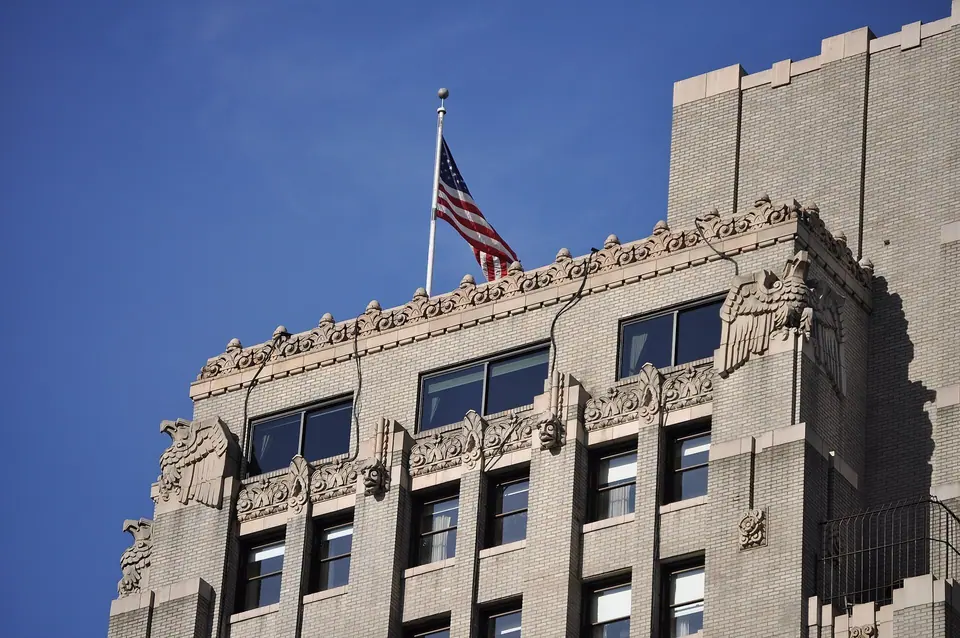
Tilt your head back at Columbia Center, whose 76 floors outnumber those of any building west of the Mississippi. Seattle Tower, built in 1928 as the city's first Art Deco skyscraper, wears brick in 33 shades that fade from dark at the base to light at the top. Add Benaroya Hall and the Seattle Art Museum's main building, with its facade by Robert Venturi, to your list.
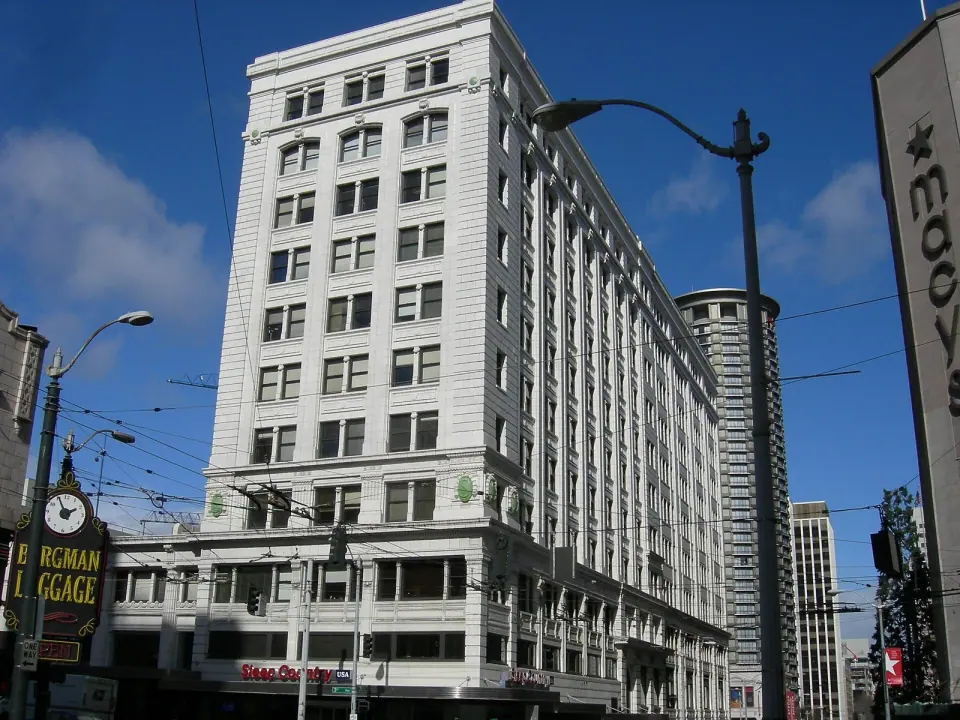
Watch for old street clocks as you walk, too. Downtown once had dozens advertising businesses, and as of 2024 only four remain.
Getting Around Downtown
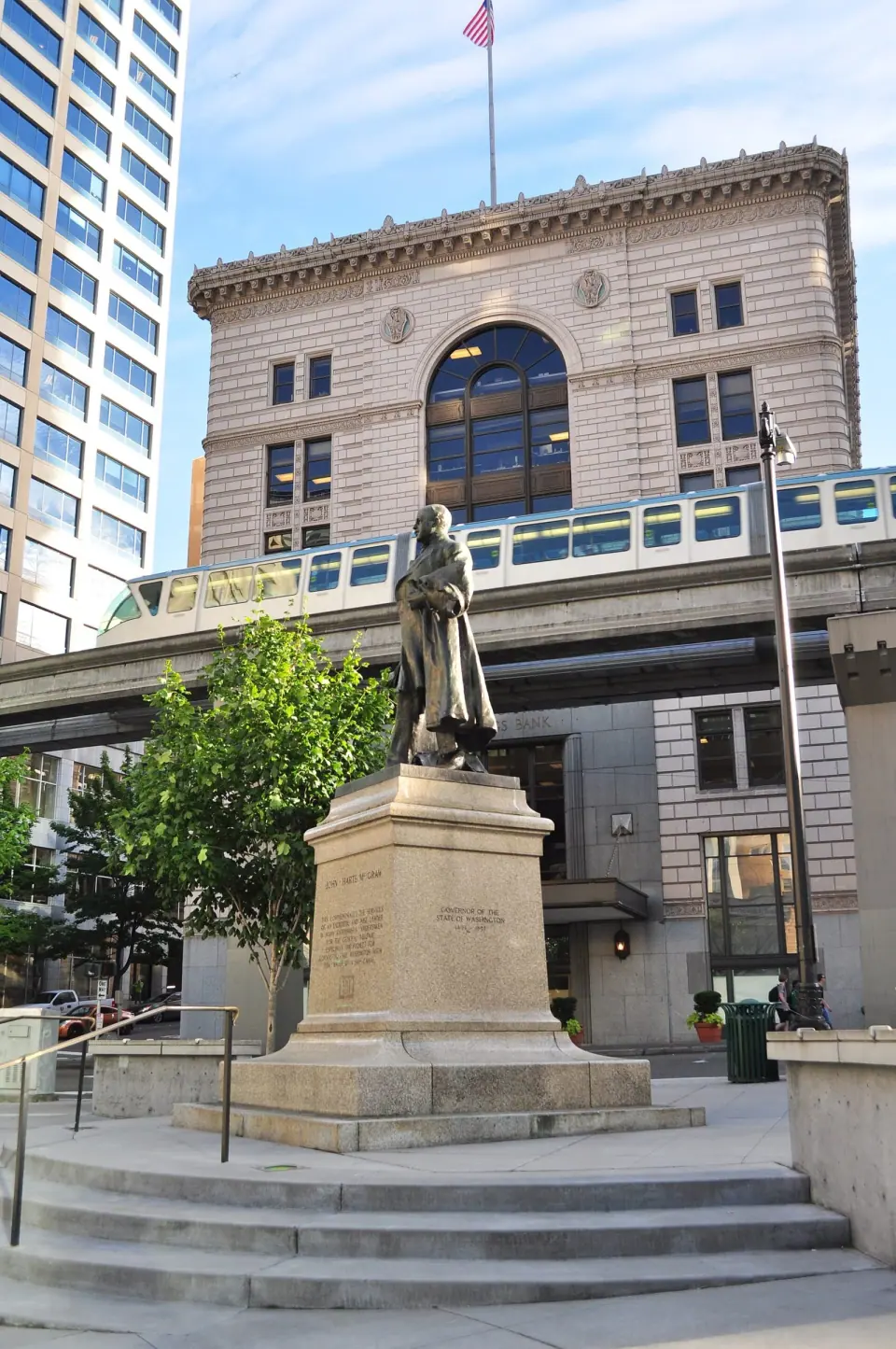
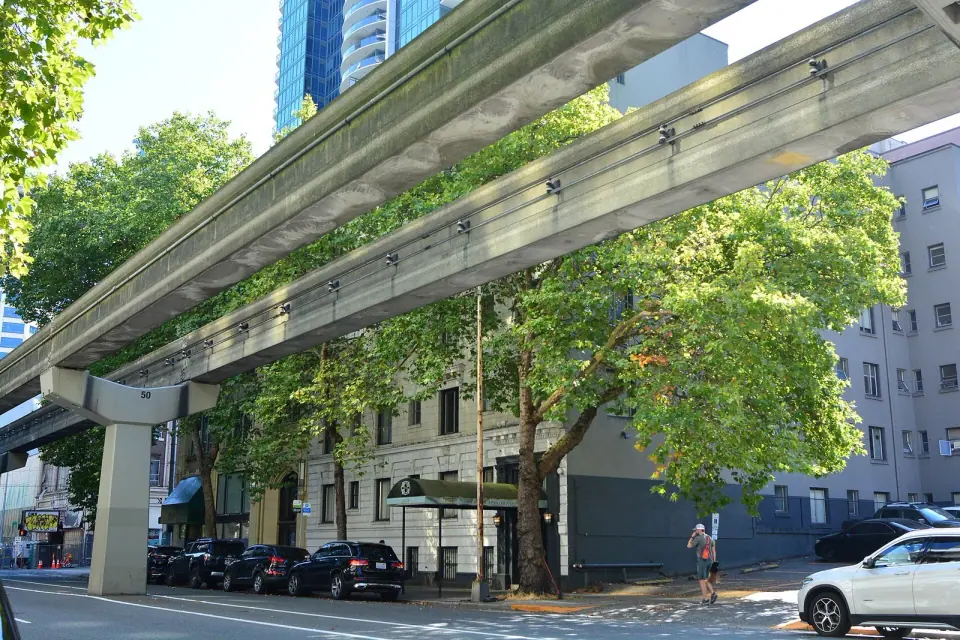
Your feet will cover most of downtown, but the hills are real, so plan your routes with them in mind. Link light rail runs through the Downtown Seattle Transit Tunnel between Westlake and Chinatown-International District stations. Ride the monorail, built for the 1962 World's Fair, from Westlake Center to Seattle Center, or board the South Lake Union Streetcar at tiny McGraw Square.
A Center That Keeps Growing
Downtown is far more than an office district today. Its residential population reached 108,488 in 2024, a 78 percent jump since 2010, and it remains the region's largest job center. With nearly 10 million domestic visitors in 2024, expect crowds near the market and waterfront, especially in summer.