Cream, Blue and Orange-Brown Terra Cotta
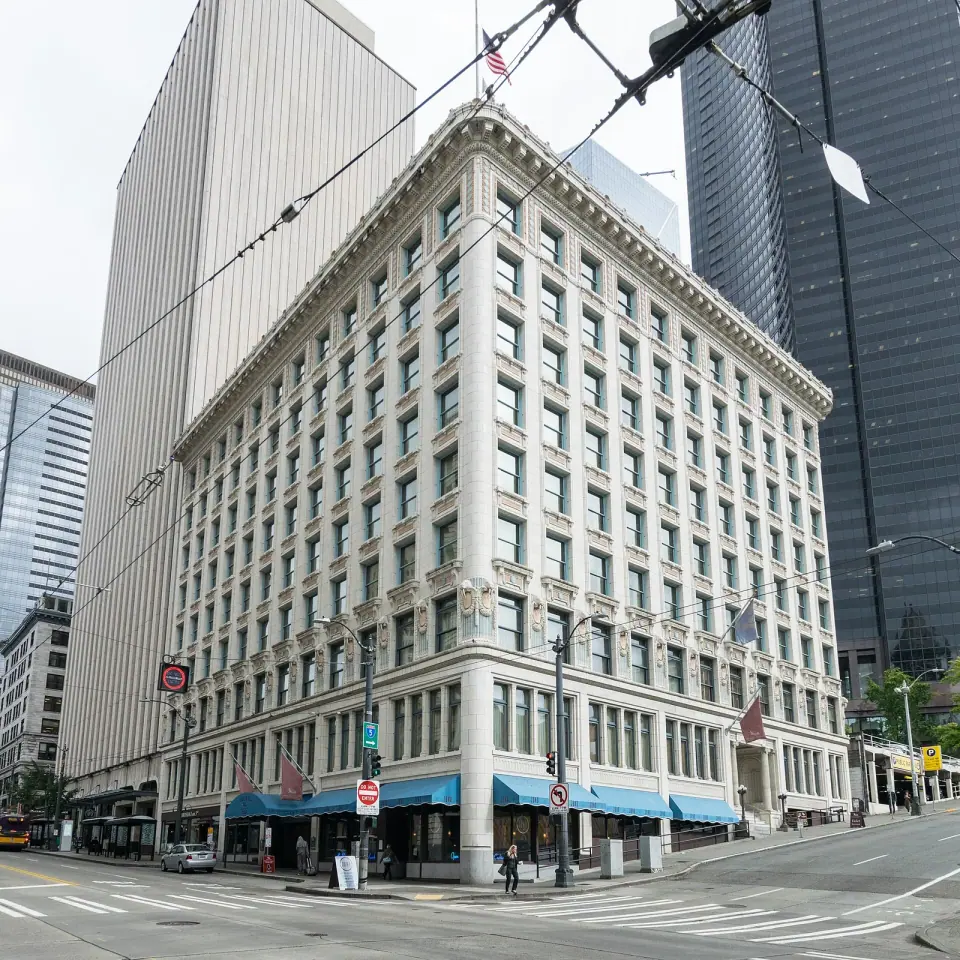
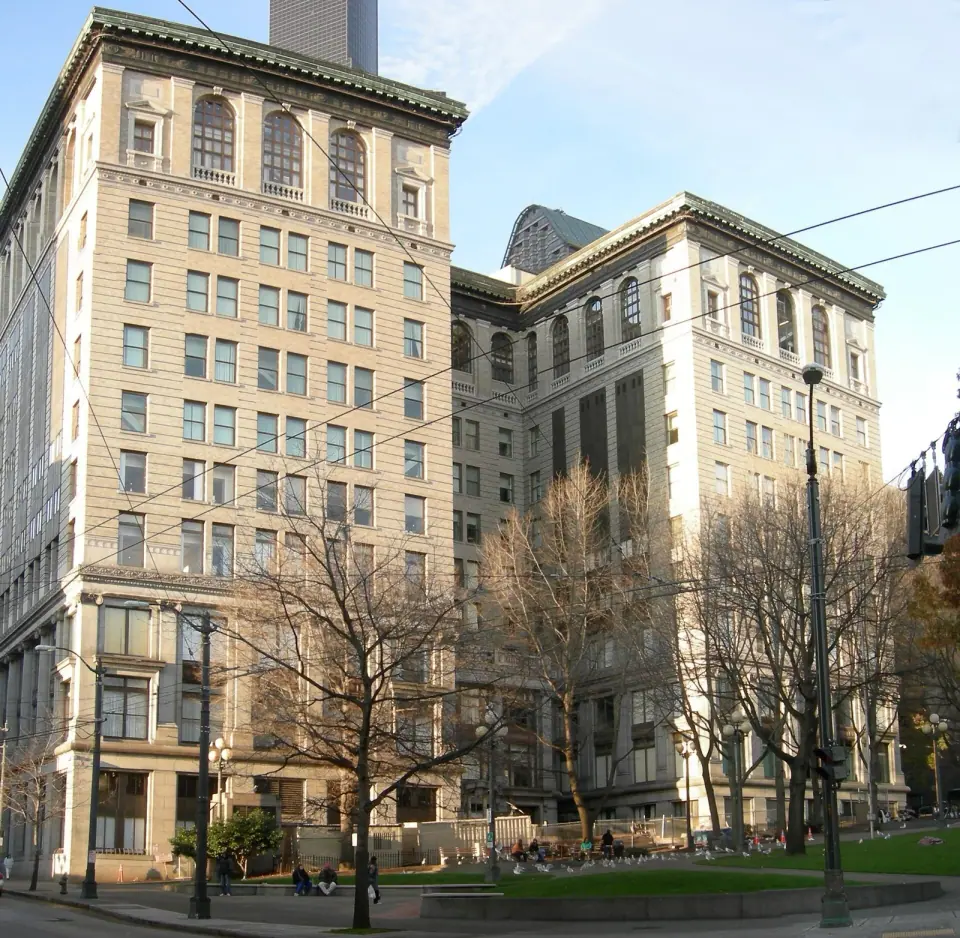
Every exterior wall wears cream-white terra cotta, trimmed with a deep submarine blue and a warm orange-brown. Take a moment with it, because the building is considered one of Seattle's best examples of multi-colored terra cotta with a matte glaze. The material came from the nearby Denny-Renton Clay and Coal Company, which supplied terra cotta to many Seattle buildings of the same era.
Noted Seattle architect A. Warren Gould drew up the design, James Moses served as the builder, and the finished tower rises 128 feet.
From a Judge's Home to a Gold Rush Clubhouse
The corner of Third and Cherry lived several lives before the Arctic Club arrived. In 1875, Joseph R. Lewis, Chief Justice of Washington Territory, built a house here that was counted among the finest in the young city, and Lewis himself was a direct descendant of Elizabeth "Betty" Lewis, George Washington's sister.
In 1892 the house made way for the Seattle Theatre, a three-story brick building designed by the firm of Saunders and Lawton, where the newly formed Rainier Club used the office portion. Both the theater and the club's quarters were replaced by the Arctic Building in 1916.
A Move With a Stolen Bar
The club's story has a mischievous chapter, too. The Arctic Club first met in 1909 in the Morrison Hotel at Third Avenue and Jefferson Street, but in 1914, after a dispute with that building's owner, the Arctic Construction Company, the board chose to leave. On their way out, members quietly took the bar with them, hoisting it out through a window.
The club made its home on Cherry Street for decades, until it dissolved in 1971. A rooftop garden that members once enjoyed was later replaced by a penthouse office suite.
A Somber Day in 1936
The building also holds one of Seattle's most somber political stories. On August 7, 1936, U.S. Congressman Marion Zioncheck died by suicide, falling from the window of his campaign office on the fifth floor.
Landmark Status and Life as a Hotel
Recognition came in stages: the Arctic Building was listed on the National Register of Historic Places in 1978, and the City of Seattle designated it an official city landmark in 1993 under Ordinance 116969. You will find it as landmark number 150 in the records of the Seattle Landmarks Preservation Board.
The City of Seattle owned the building for a period before selling it to a Spokane company, which restored it and converted it into a luxury hotel. The Arctic Club Hotel opened its doors in 2008.
The Polar Bar
Head inside for a drink at the Polar Bar, the hotel's bar and cocktail lounge, known for its signature polar bear. Check the Arctic Club Hotel's official website for current hours, reservations and room details before you go.
For the best view of the walrus heads, cross to the sidewalk on the far side of Third Avenue or Cherry Street, where the full sweep of the third floor comes into view. Plan to come in daylight, when the blue and orange-brown accents stand out against the cream walls.
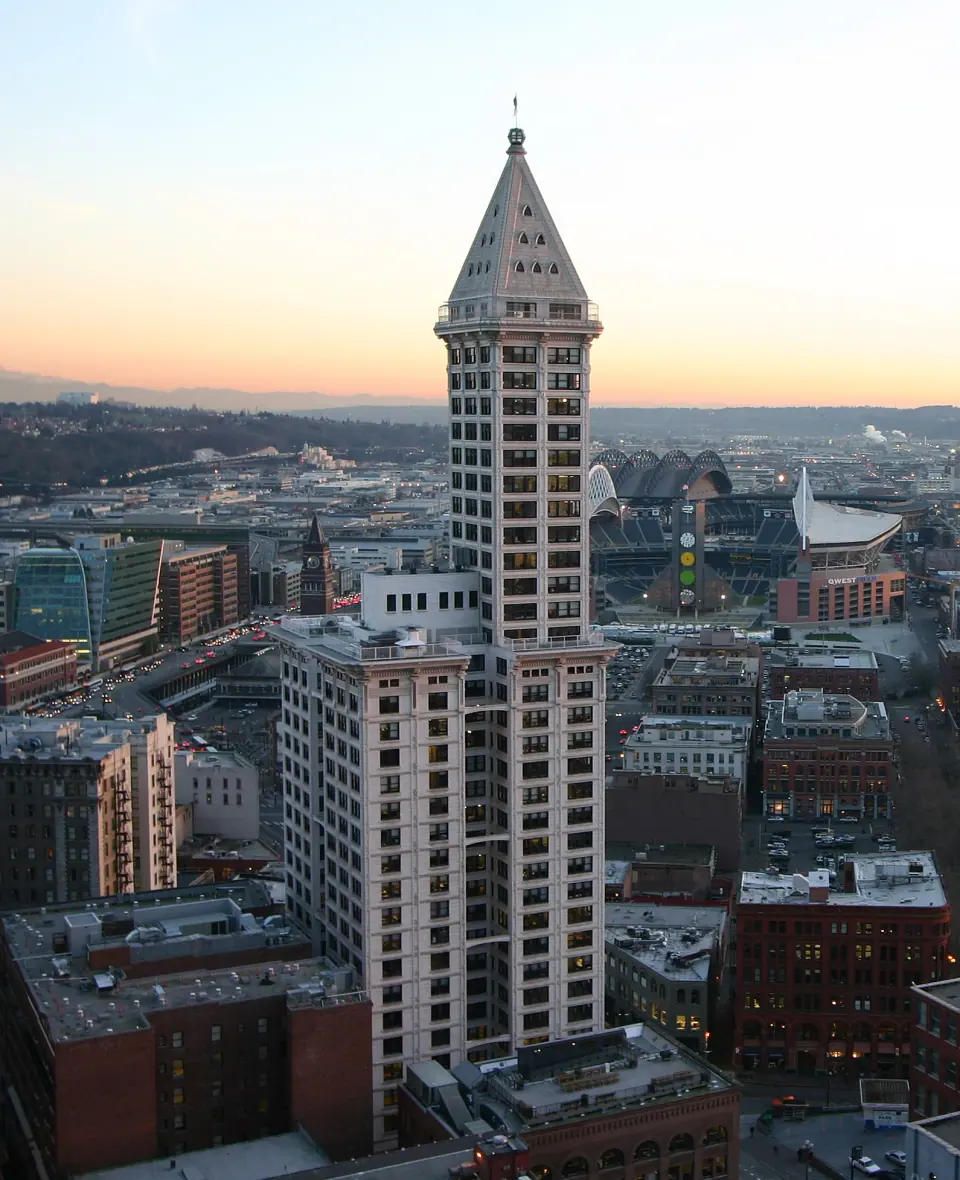
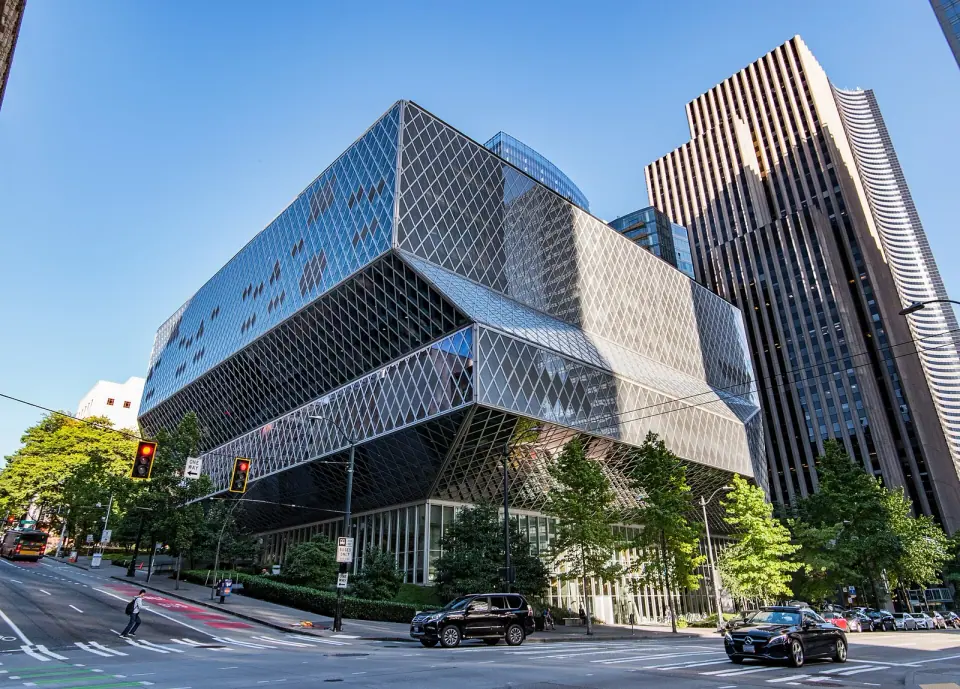
Because the building sits in the Central Business District of downtown Seattle, it slips easily into a stroll through the area's older office blocks.
Landmarks Just Steps Away
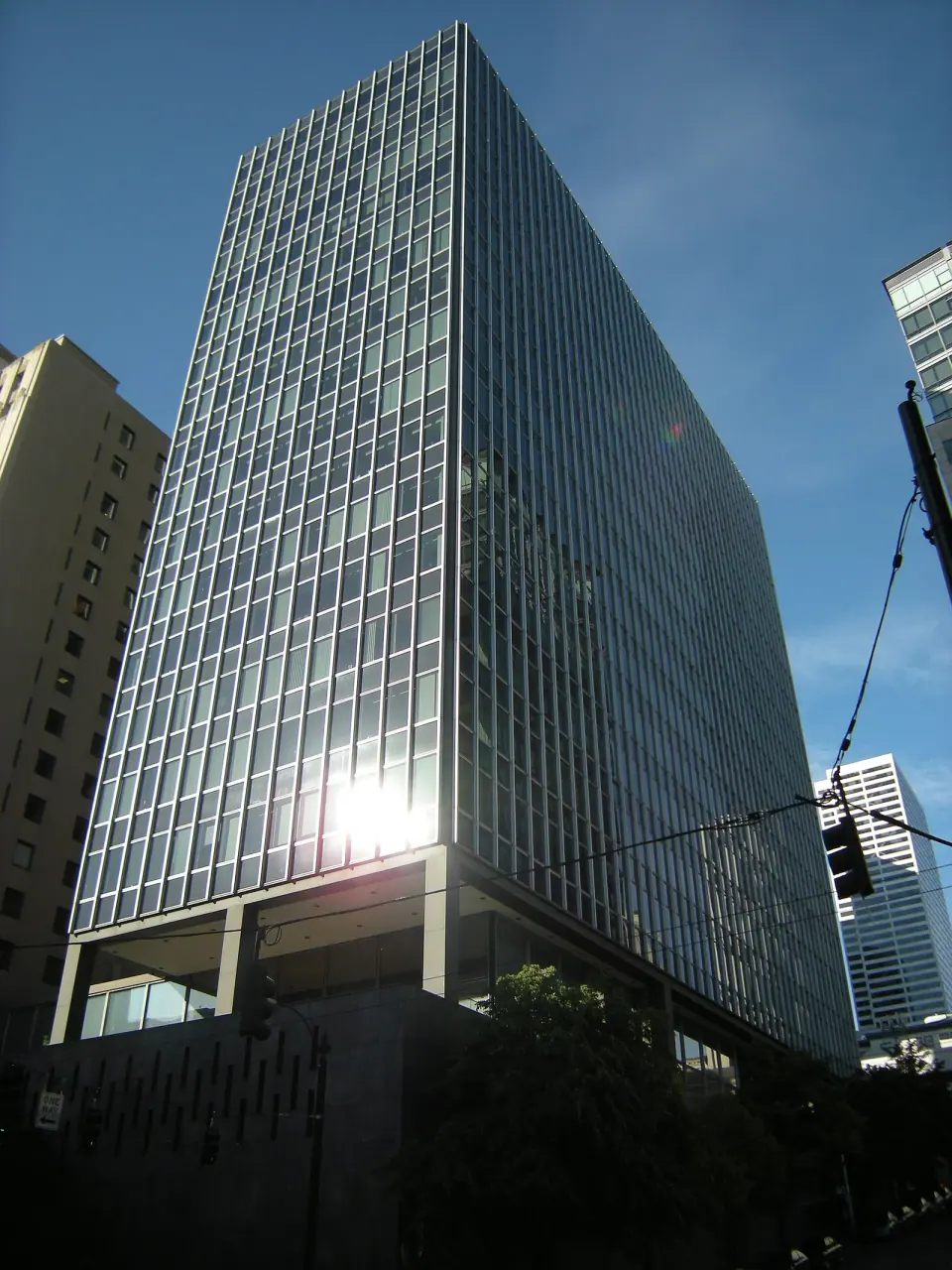
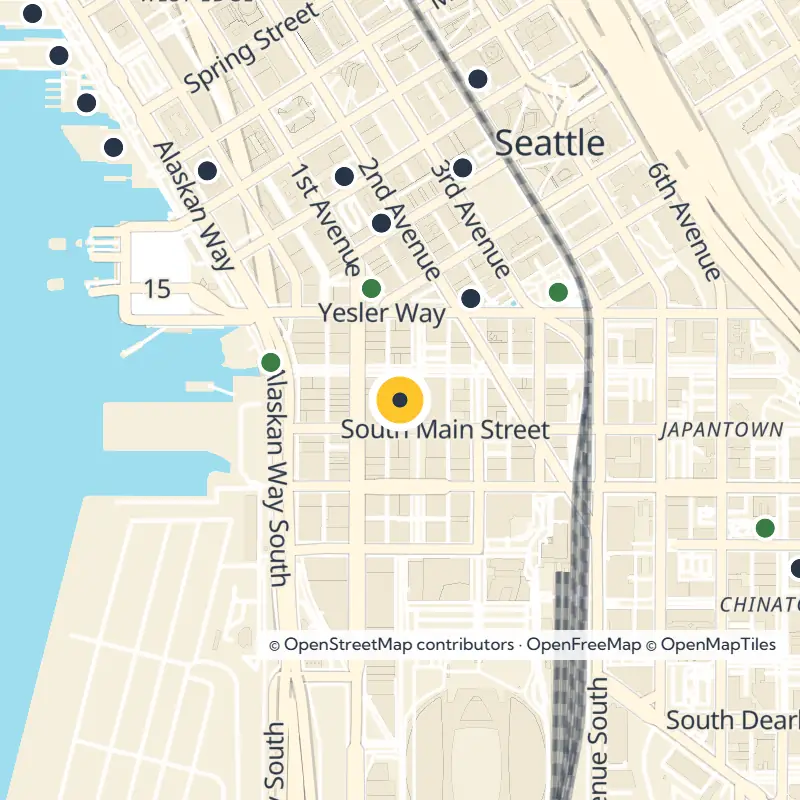
Few corners in Seattle pack in as many designated landmarks as the blocks around the Arctic Building, and every one of these sits less than a tenth of a mile away in a straight line:
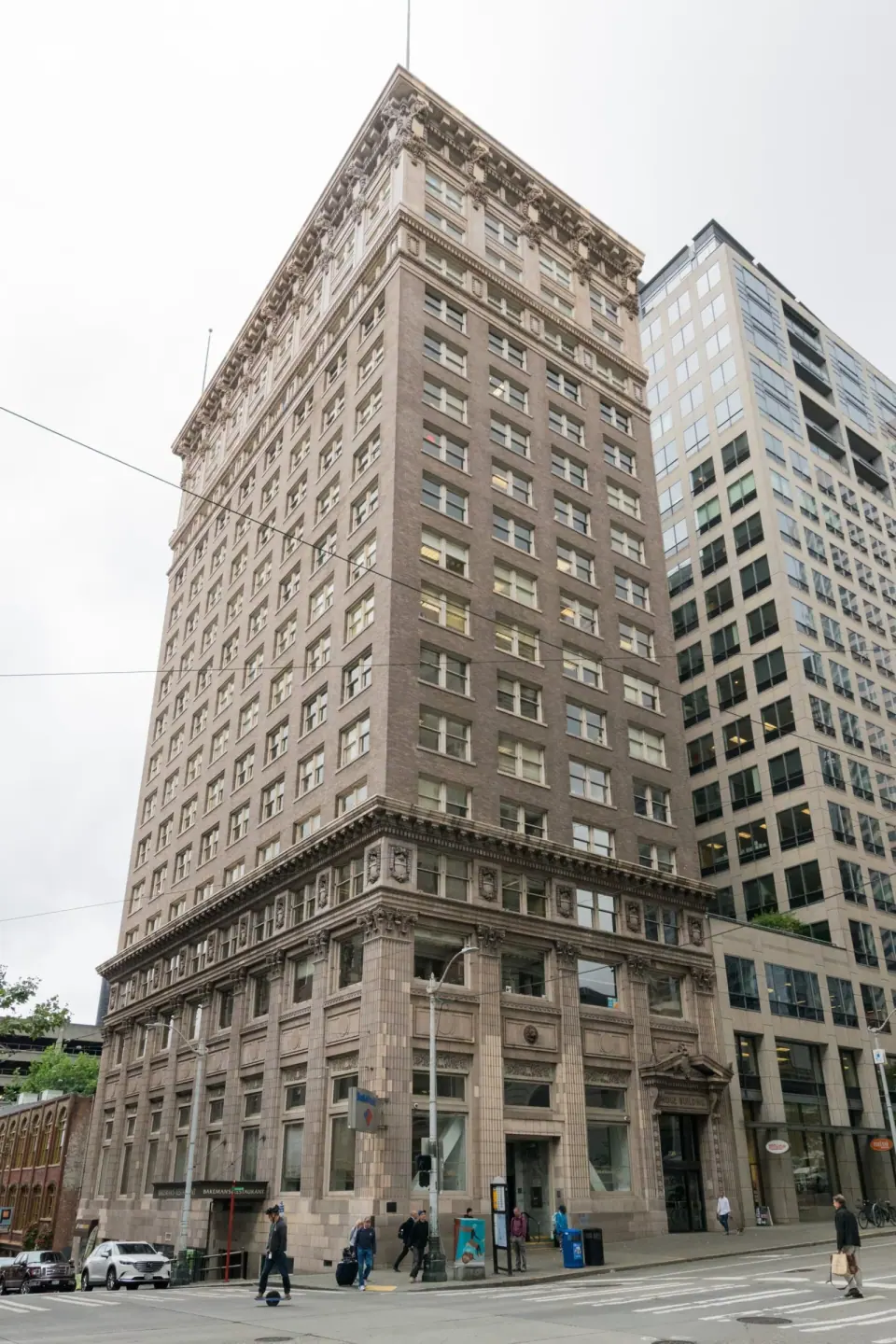
- Dexter Horton Building
- Chamber of Commerce Building
- Seattle National Bank (United Way Building)
- Lyon Building
- Central Building
- Hong Kong/Shanghai Banking Co. street clock
- Leamington Hotel and Apartments
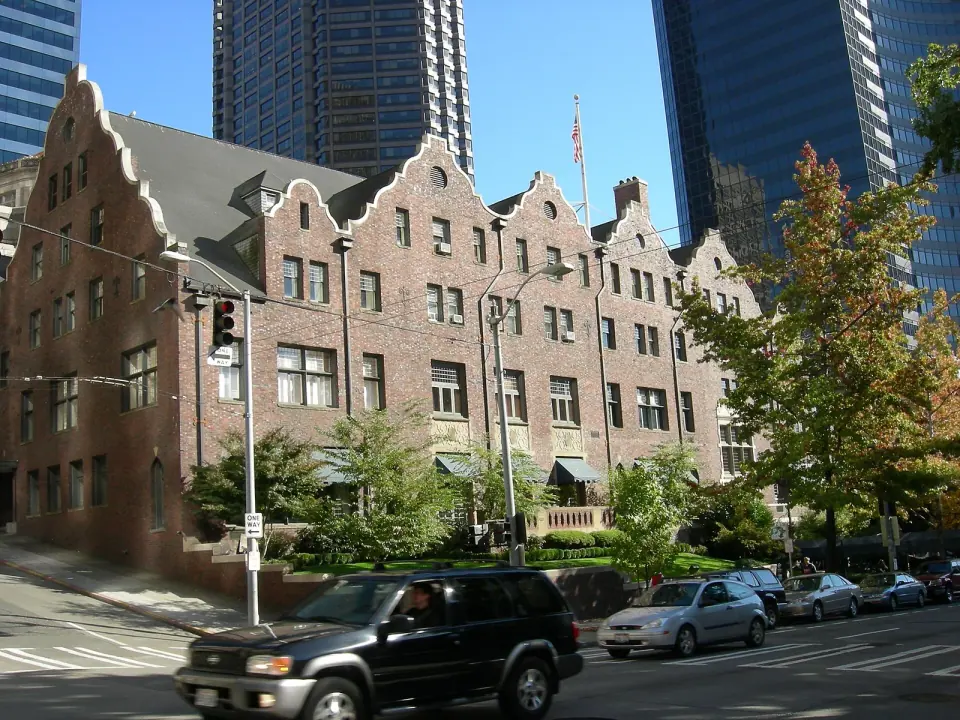
- Rainier Club
Make the Rainier Club one of your stops, since it once had rooms on the very site where the Arctic Building now stands. To build a longer route, browse the full list of designated landmarks across Seattle.