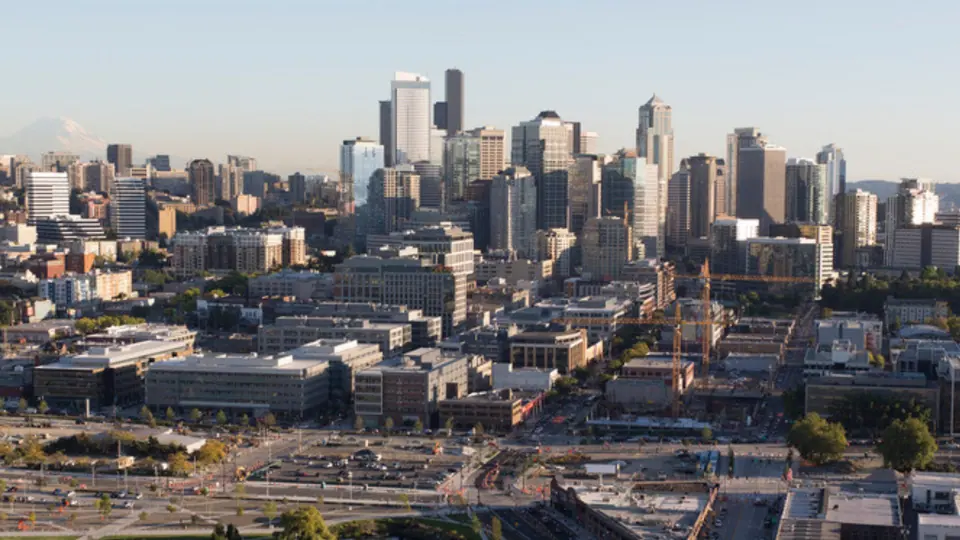
The districts within downtown
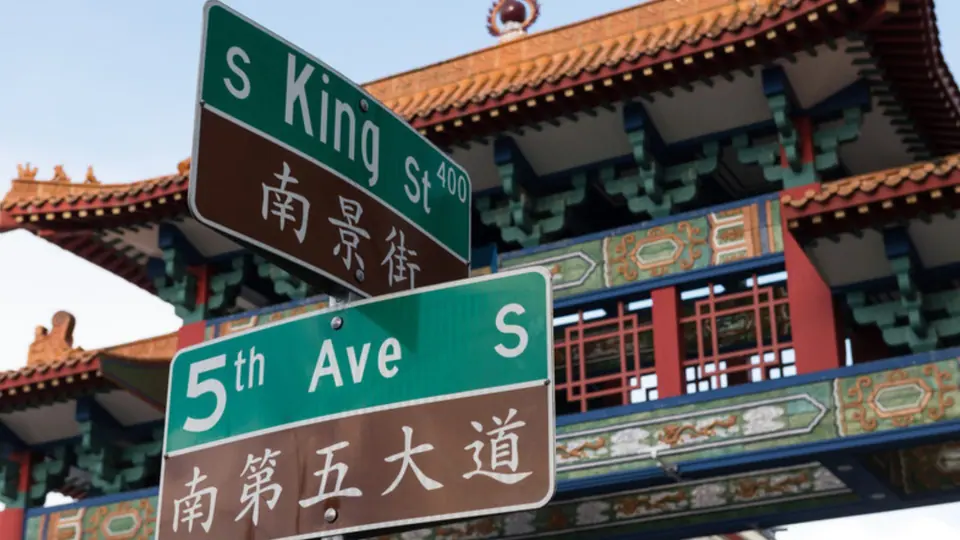
Think of downtown as a cluster of smaller areas, each with its own character: Belltown, the Denny Triangle, the retail district, the West Edge, the financial district and the government district. Pioneer Square, Chinatown, Japantown, Little Saigon and the western side of First Hill also belong to the broader downtown area.
Near the middle you will find the Metropolitan Tract, land still owned by the University of Washington. The university's campus stood here until 1895, which is why so much prime downtown property answers to a single landlord.
From Marsh to Business Core
The story begins in April 1852, when the Denny Party crossed what was then called Duwamish Bay and left their first settlement behind. They picked a low, marshy spot with a deep, safe harbor, roughly where Pioneer Square stands today, and named it Duwamps.
In the late 1850s, today's downtown was mostly residential outskirts, and the business district only shifted here after the Great Seattle Fire. Starting around 1876, the city began regrading several surrounding hills, so the slopes under your feet as you walk were reshaped by those projects.
Height limits and a building boom
A 1989 voter initiative sharply capped building heights downtown, and those limits were loosened considerably in 2006, setting off a wave of high-rise construction. Supporters welcomed the added density, while critics warned of what they called Manhattanization.
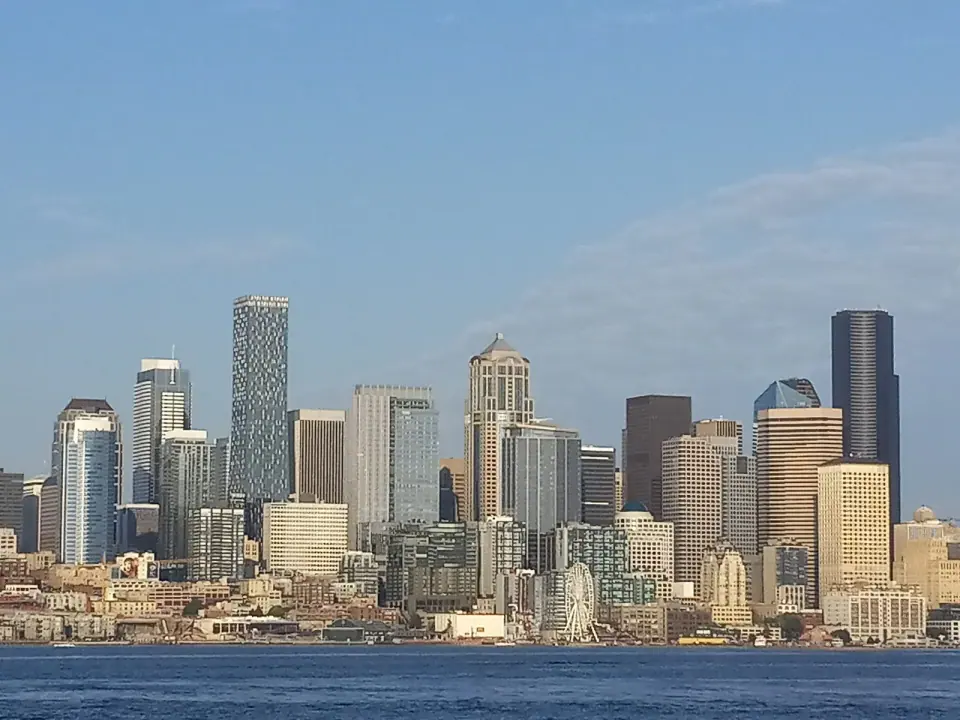
Look around and you will see how much the area has grown. By 2024, downtown had 108,488 residents, a 78 percent jump since 2010, and it remains the region's largest job center, with an estimated 317,579 workers in 2025, about half of all jobs in the city.
Towers and Clubhouses to Look Up At
Walk downtown with your head tilted back. Columbia Center rises 76 floors, more than any other building west of the Mississippi River, while Smith Tower in Pioneer Square once held the title of tallest American building west of the Mississippi.
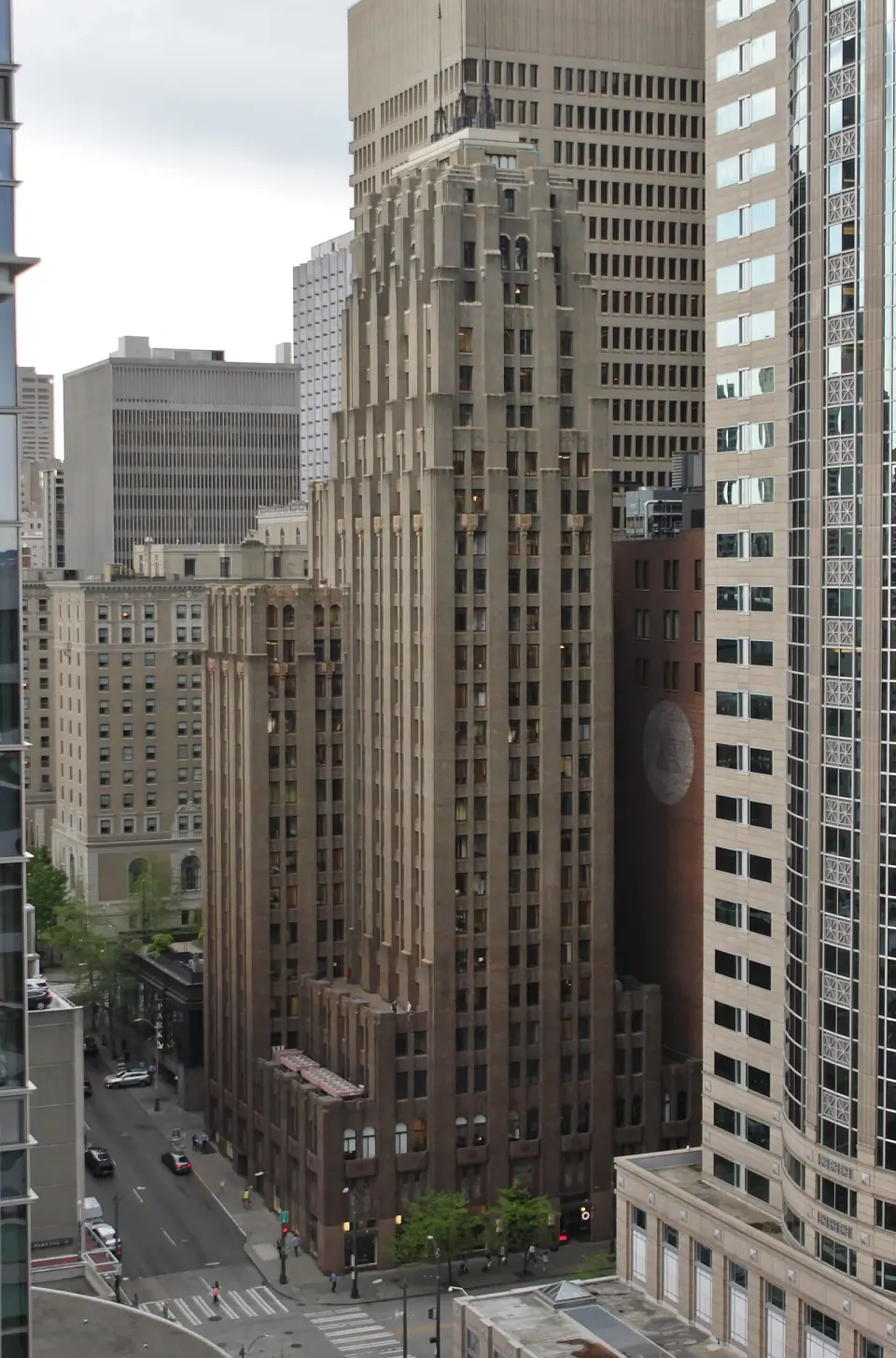
Save time for the older, smaller treasures too. The Seattle Tower, the city's first Art Deco skyscraper, opened in 1928 as the Northern Life Tower, and its 27-story brick skin shifts through 33 shades, dark at the base and pale at the top.
Early skyscrapers on Second Avenue
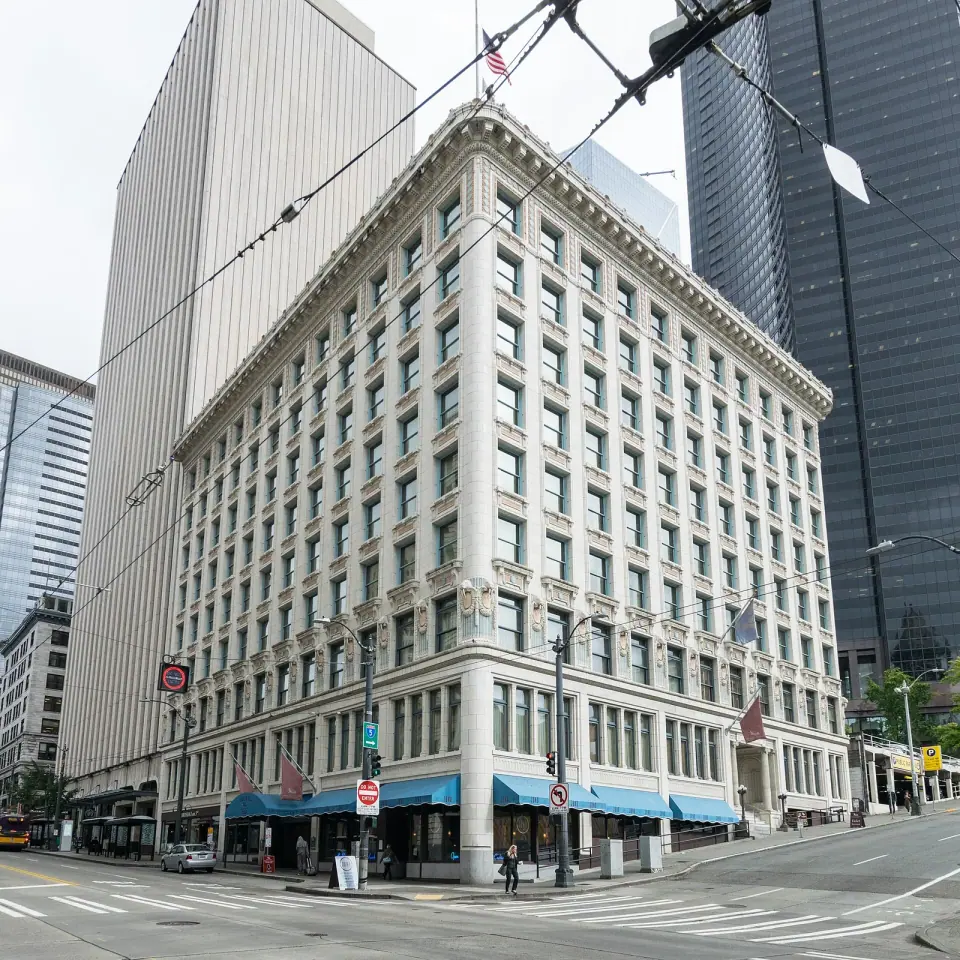
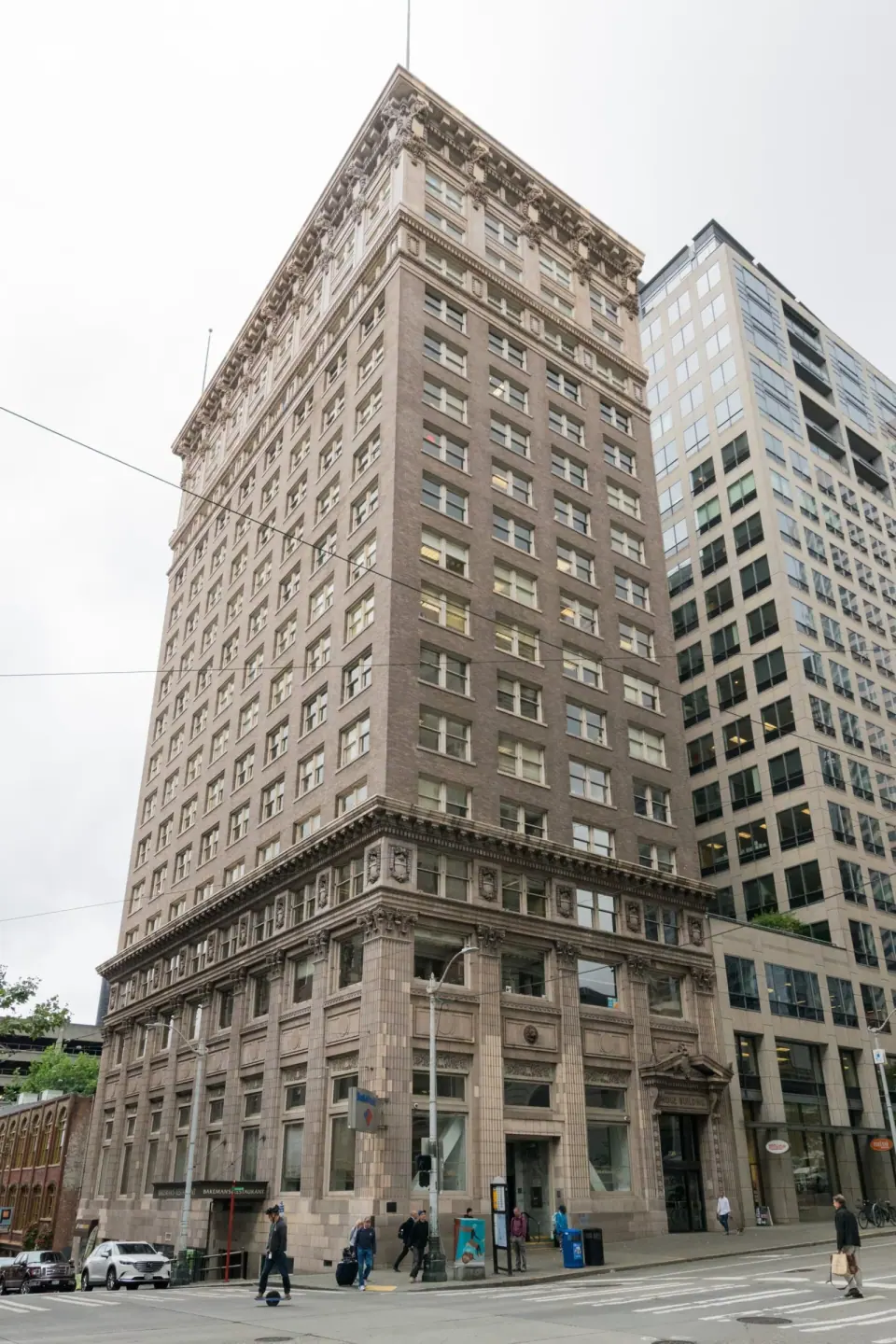
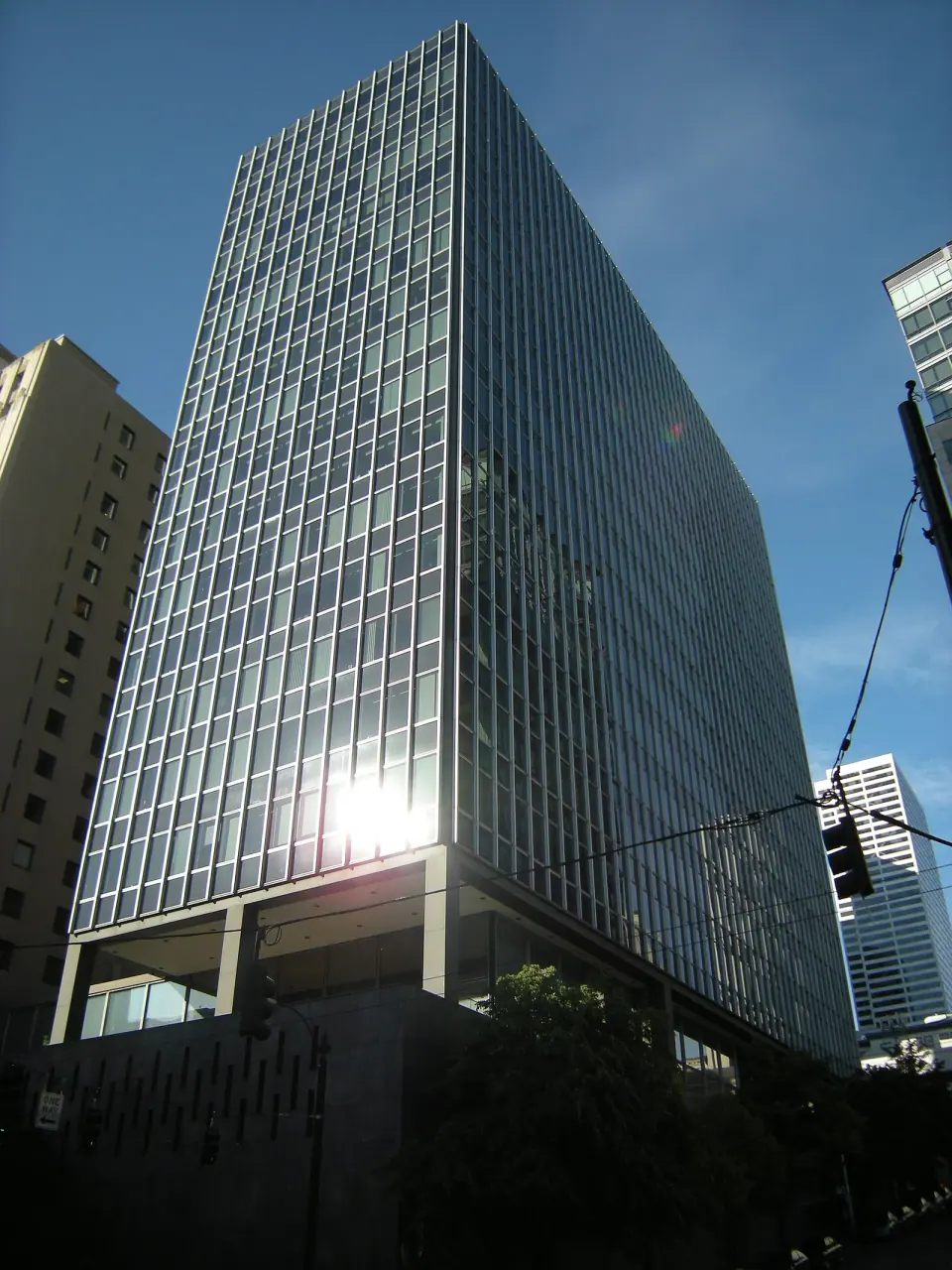
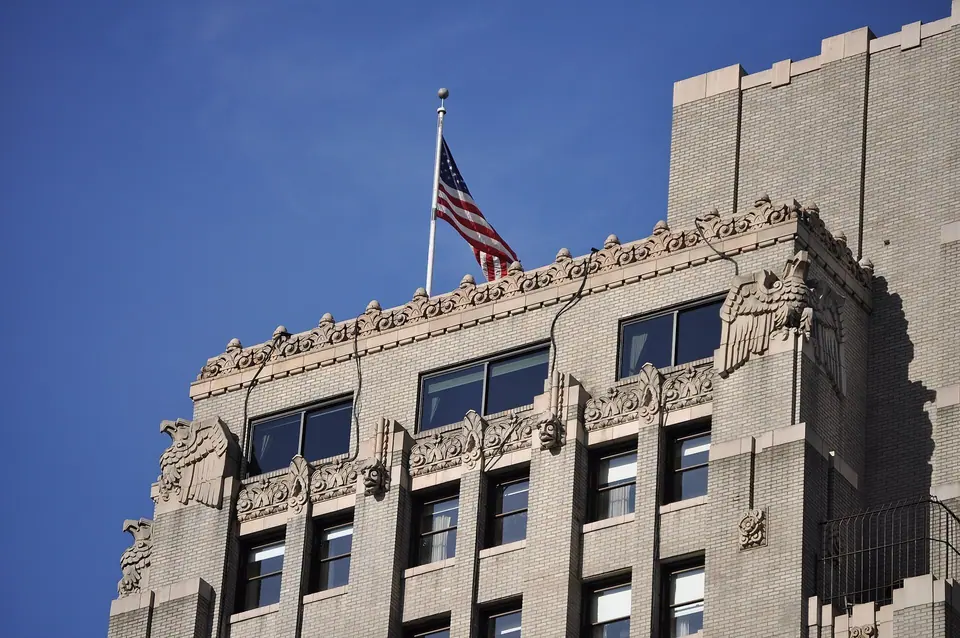
Head to Second Avenue and Cherry Street for the Hoge Building, a 17-story tower from 1911 that briefly ranked as Seattle's tallest. A few blocks away, the Norton Building shows off a different era: opened in 1959, it is an early International Style tower known for its pre-stressed concrete construction.
The private clubs
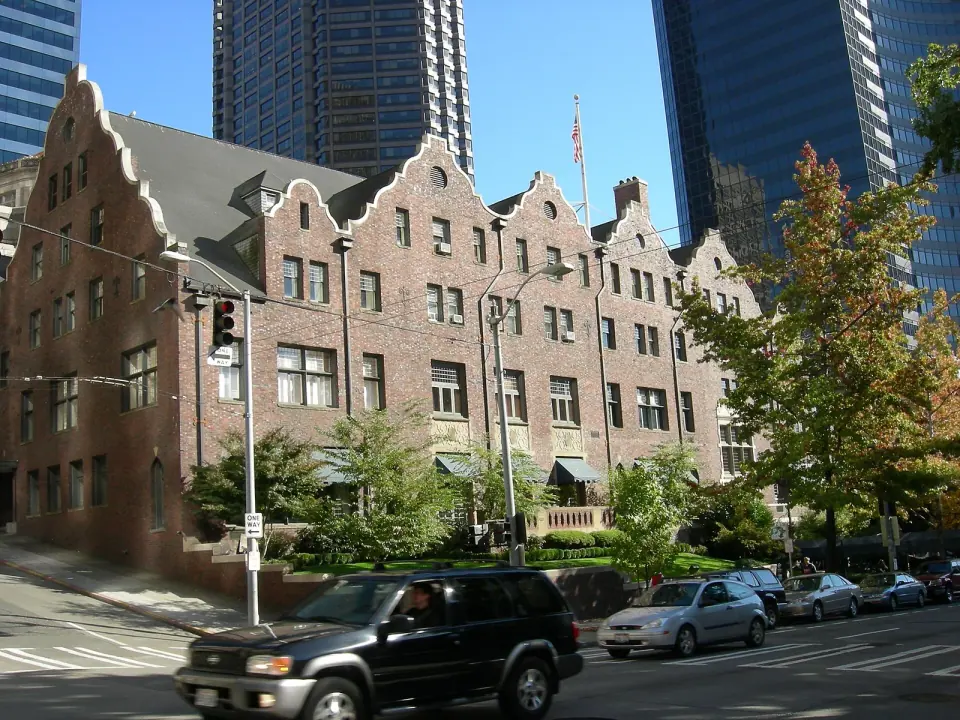
Some of downtown's finest architecture comes from its clubs. The Rainier Club, founded in 1888 before Washington became a state, occupies a 1904 clubhouse at Fourth Avenue and Columbia Street, and the Washington Athletic Club has filled a 21-story Art Deco tower on Sixth Avenue since 1930.
For the most playful facade, stroll over to the Arctic Building on Cherry Street. Built for a club of Klondike Gold Rush veterans, this ten-story Beaux-Arts building is famous for the terra cotta walrus heads lining its front.
Stroll the Historic Waterfront Piers
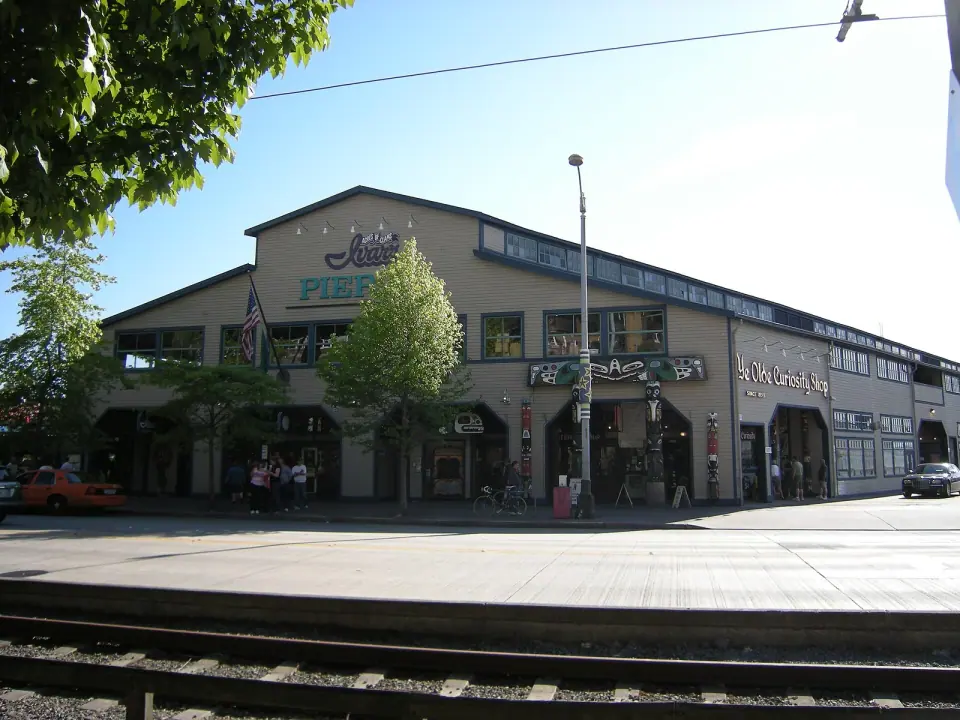
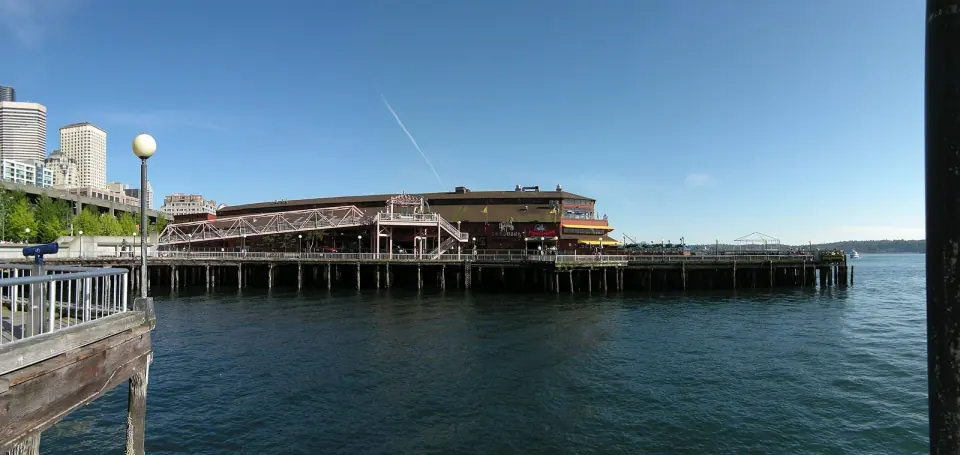
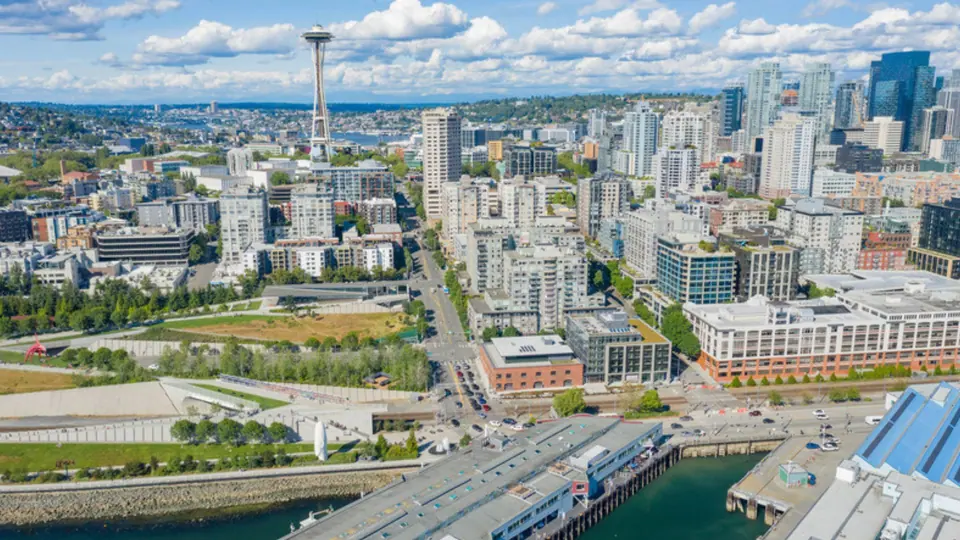
Follow Alaskan Way past a row of designated City of Seattle landmark piers that recall the working waterfront. Pier 54, at the foot of Spring Street, once hosted wooden steamers, and it is where Ivar Haglund opened his first aquarium and fish and chips stand.
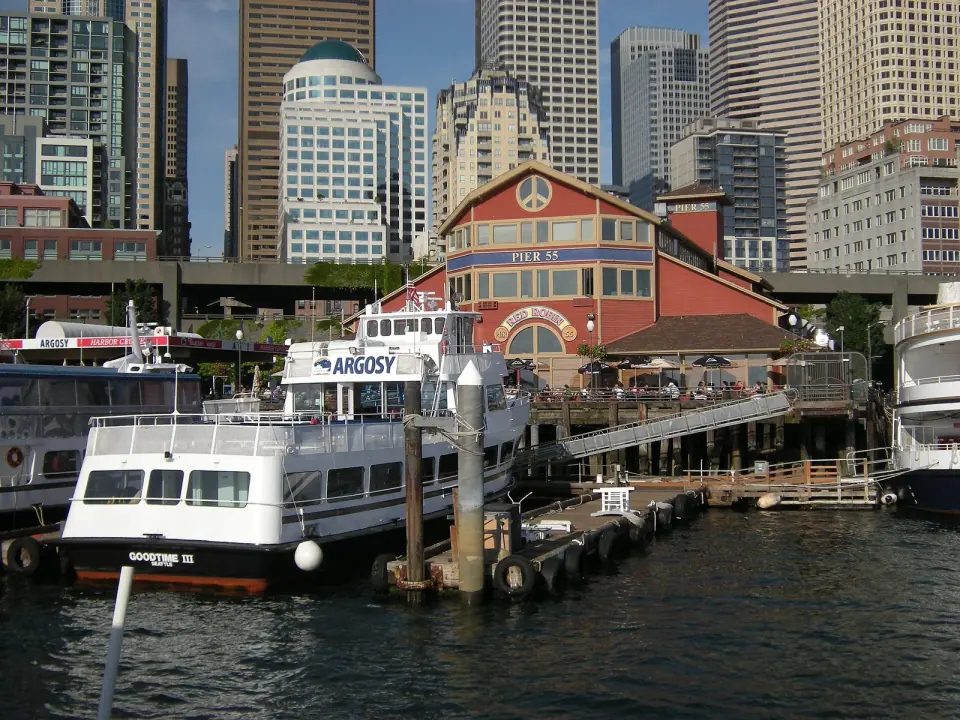
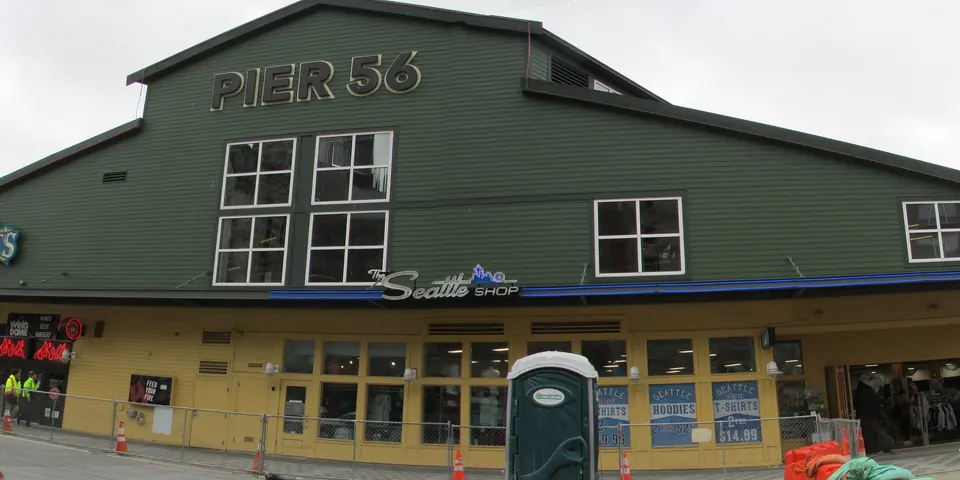
Pier 55 was rebuilt in 1902 after a collapse and now serves as the Seattle terminal for Argosy Cruises. Next door, Pier 56 is landmark number 306, part of a tight cluster of protected piers and buildings.
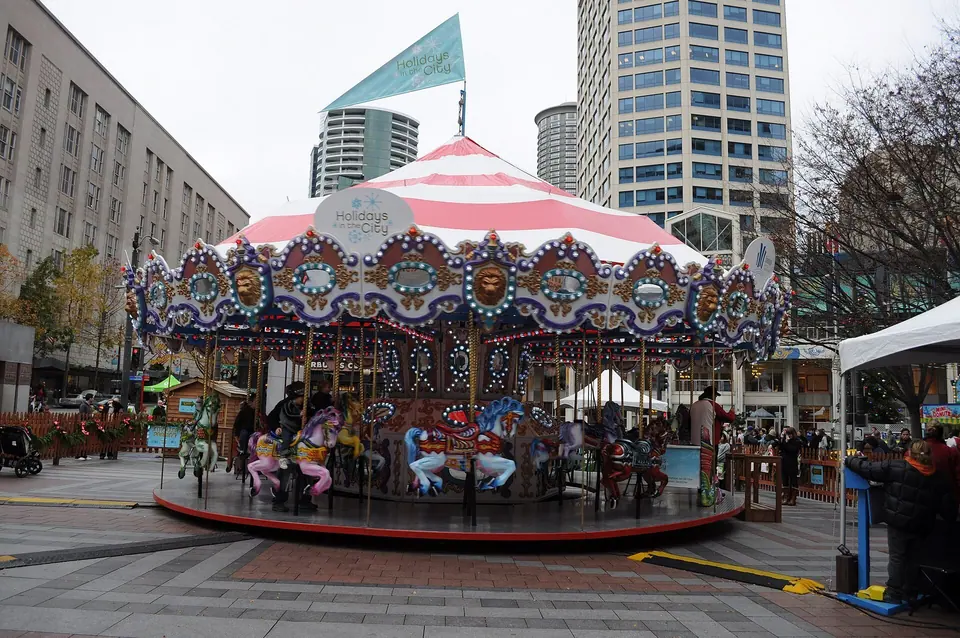
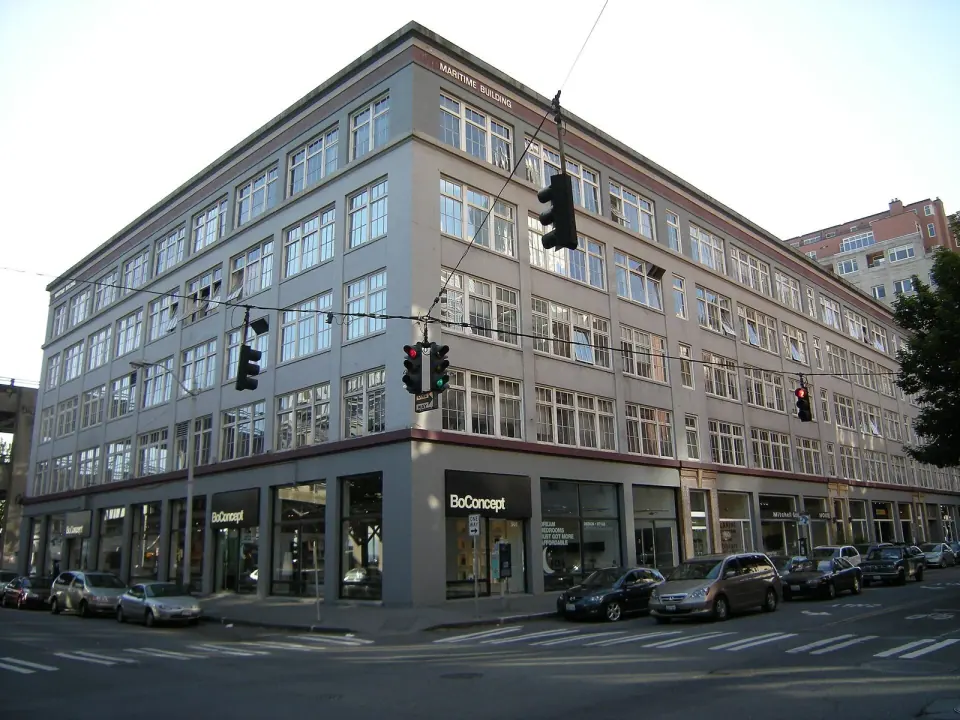
Bring the family to Pier 57 and the Seattle Great Wheel, where the 1902 pier also offers a vintage carousel, shops and seafood restaurants. Just inland, the Maritime Building on Western Avenue anchors another group of landmark structures.
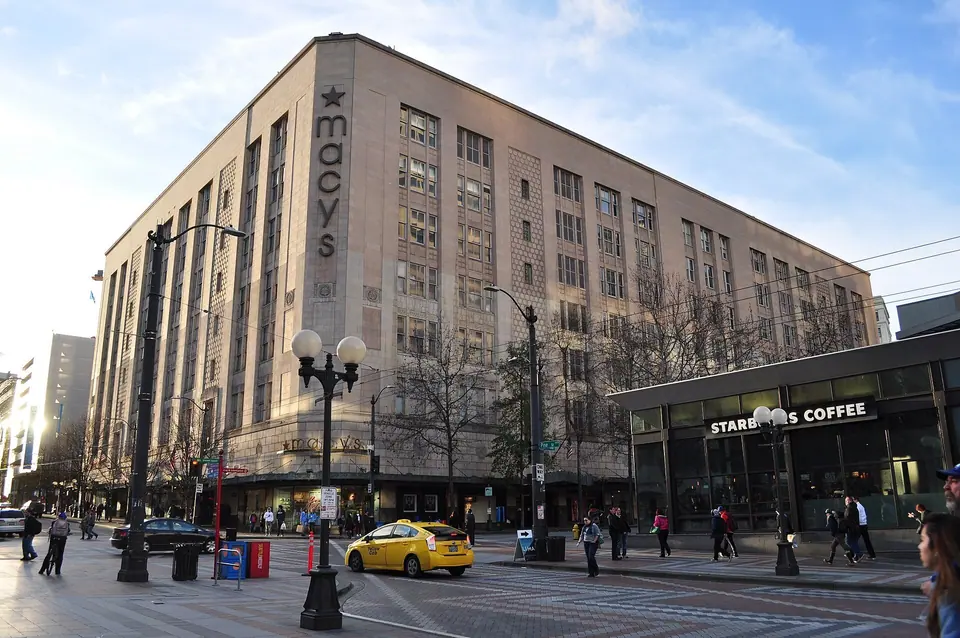
Start your shopping at Westlake Park, downtown's town square, a small plaza at 4th Avenue and Pine Street. Next door, Westlake Center links to Seattle Center by monorail, and Nordstrom, which keeps its headquarters downtown, has its flagship store here.
Pause at the Bon Marche building at 300 Pine St for a slice of retail history. The former department store flagship grew from a Belltown storefront that rented for $25 a month into a Northwest institution.
A night out on Ninth and Pine
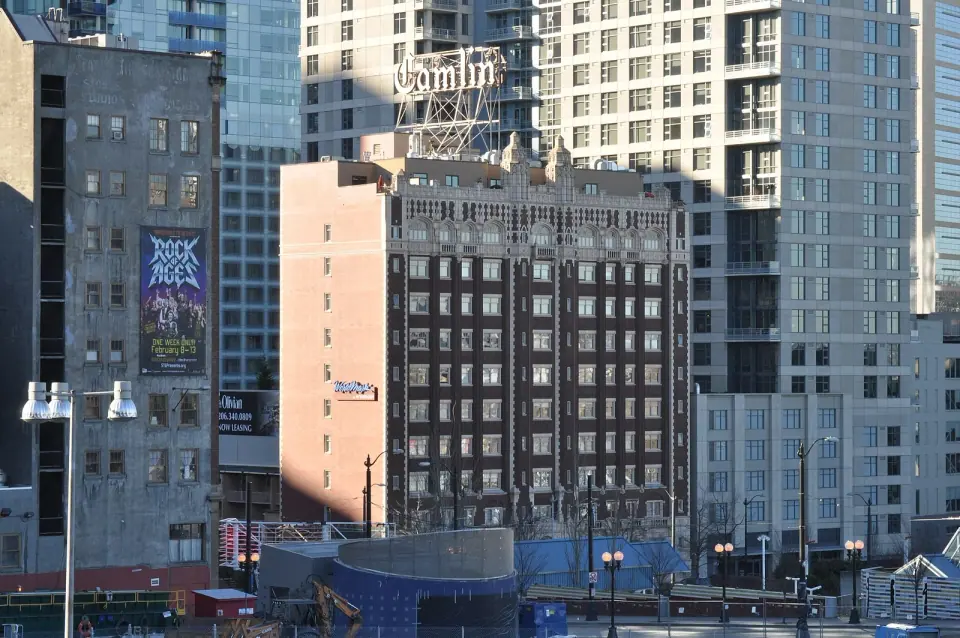
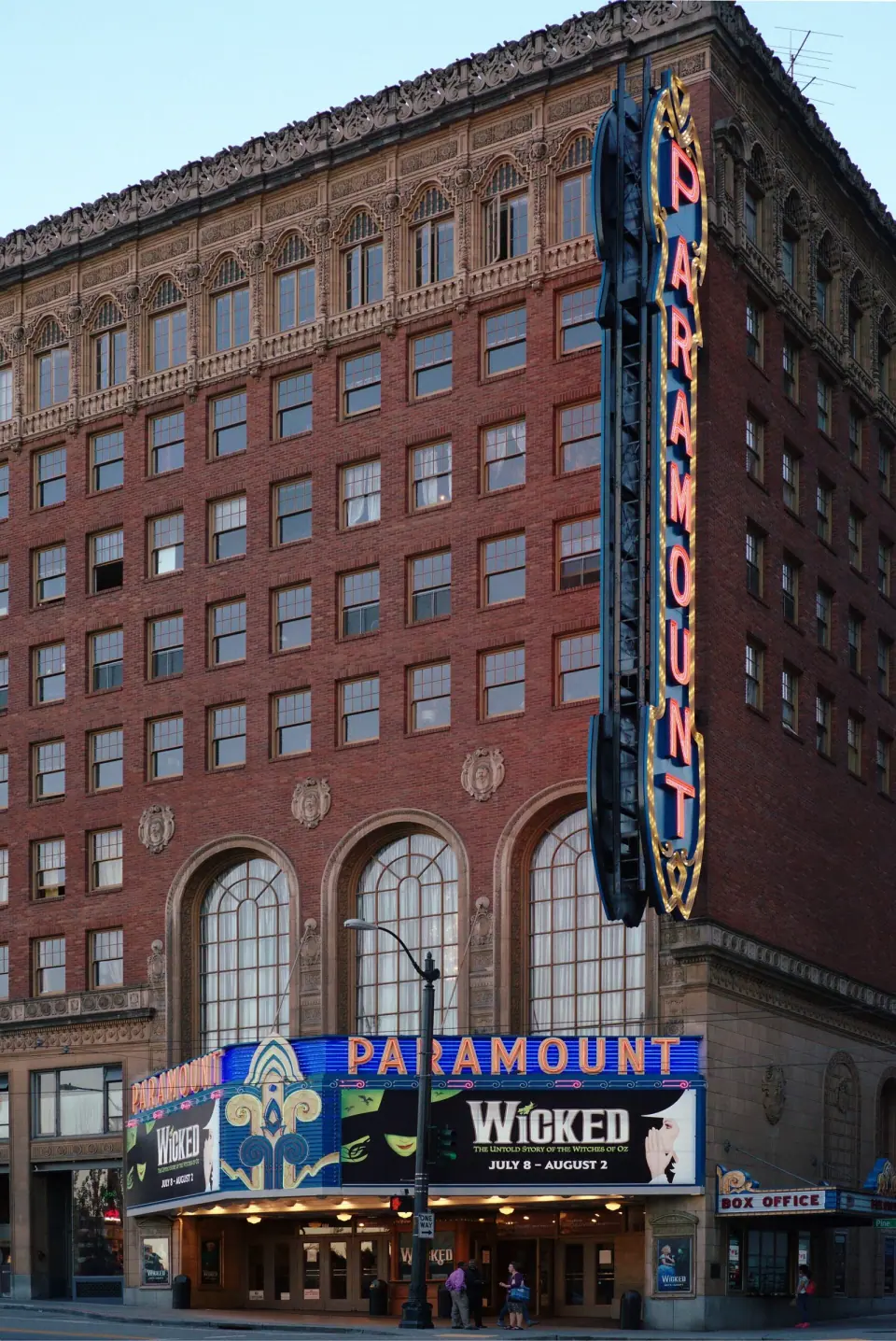
Catch a show at the Paramount Theatre at Ninth Avenue and Pine Street, a 1928 movie palace whose 2,807 seats now fill for Broadway tours, concerts and comedy. Nearby, the 1926 Camlin building once housed the Cloud Room, a rooftop lounge that drew Sinatra, Elvis and Miles Davis.
For classical music, make your way to Benaroya Hall, downtown's major concert venue. Check each venue's official site for current schedules and tickets.
Books, Art and Green Space
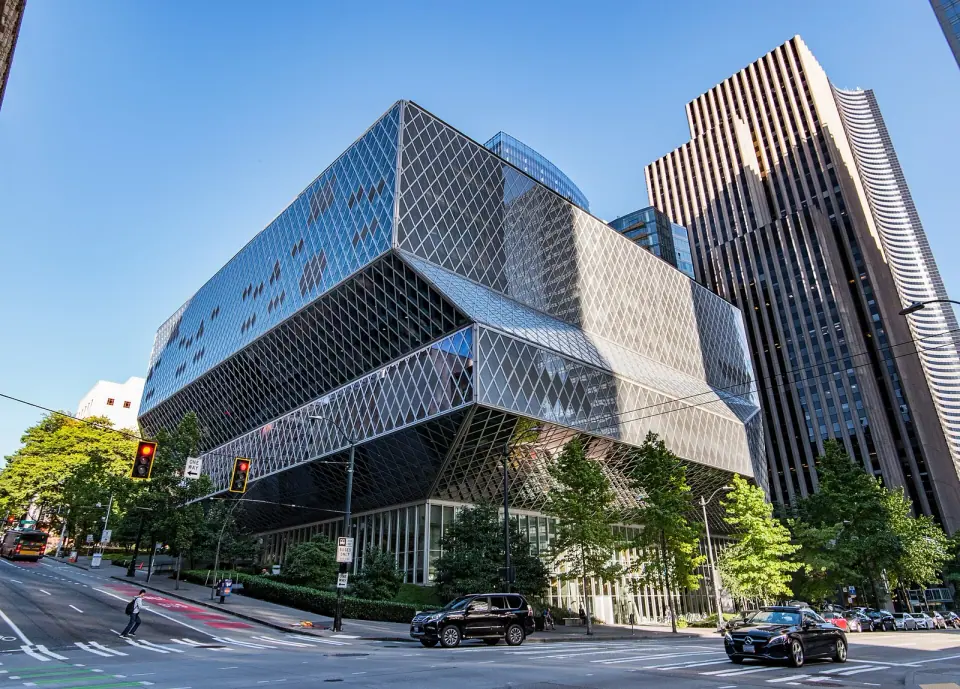
Spend an hour inside the Central Library on Fourth Avenue, one of downtown's most striking buildings. Rem Koolhaas designed the 11-story glass and steel structure, known for its Books Spiral, its Red Floor and a tenth-floor reading room.
Browse the Seattle Art Museum, whose main building dates to 1991 and was expanded in 2007, with a main facade designed by Robert Venturi. Then wander Pike Place Market, the oldest continually operating farmers' market in the country and still the heart of downtown activity.
Parks between the towers
Beyond Westlake Park, find a breather in Freeway Park or Victor Steinbrueck Park. On the Belltown waterfront, the Olympic Sculpture Park, completed in January 2007, pairs art with water views.
Spot the old street clocks
Early in the 20th century, businesses put up dozens of street clocks as advertising, and by 1950 only 24 remained citywide. As of 2024, just four survive downtown, so keep an eye out for those tied to Ben Bridge Jewelers and Century Square.
Getting Around Downtown
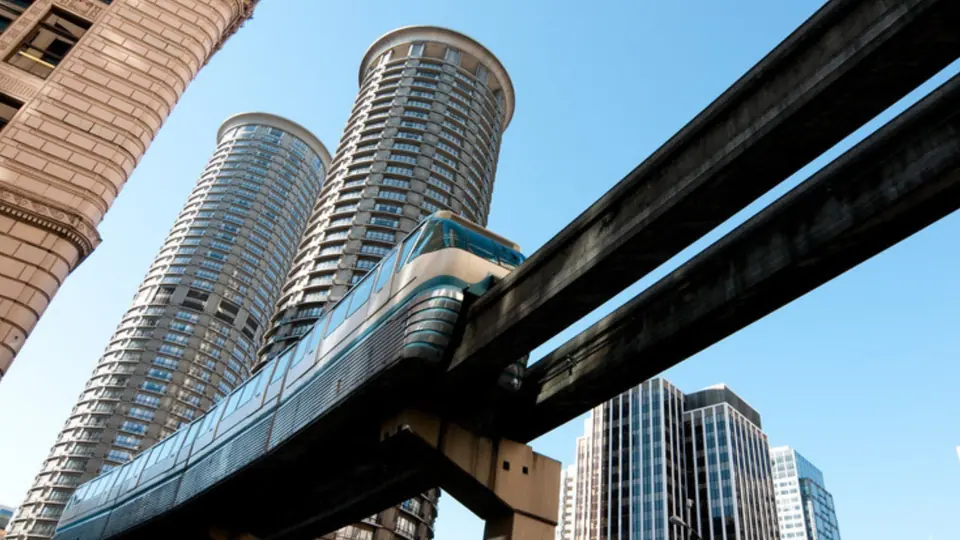
Ride Link light rail through the Downtown Seattle Transit Tunnel between Westlake and Chinatown-International District. Or hop on the Seattle Monorail, a short elevated line built for the 1962 World's Fair that runs from Westlake Center to Seattle Center and is itself a city landmark.
Many bus lines cross downtown as well, including Metro routes and suburban service from Sound Transit Express and Community Transit. Fares and routes change, so check with the transit agencies before you ride. In the government district, you will find Seattle City Hall at 600 4th Ave beside the King County Courthouse.