Skip to content

Seattle P-Patch community gardens

Getting a Seattle community garden plot starts with the City's P-Patch interest list. Here is each step, what plots cost, the rules and where to garden while you wait.

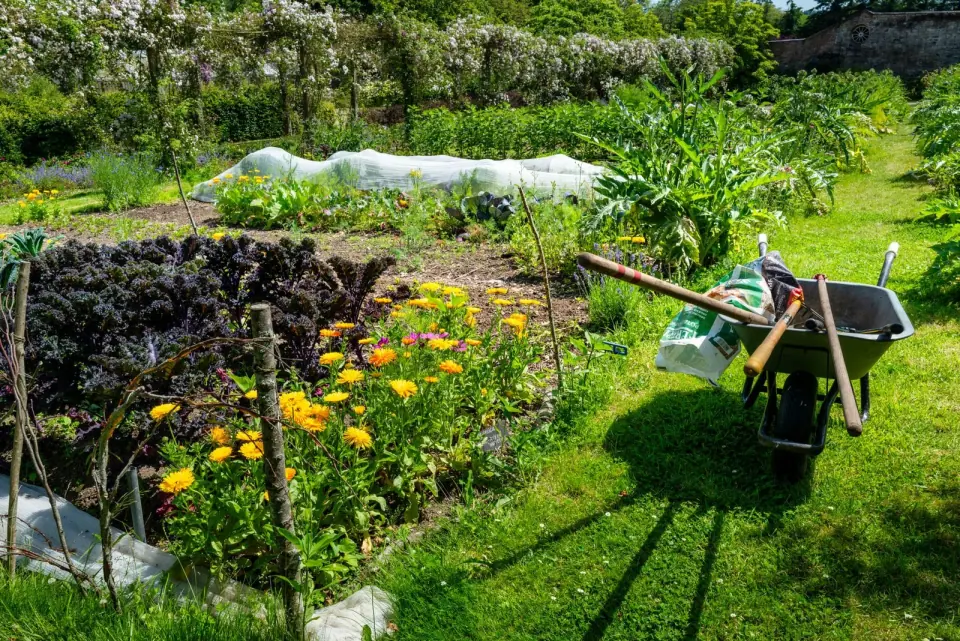
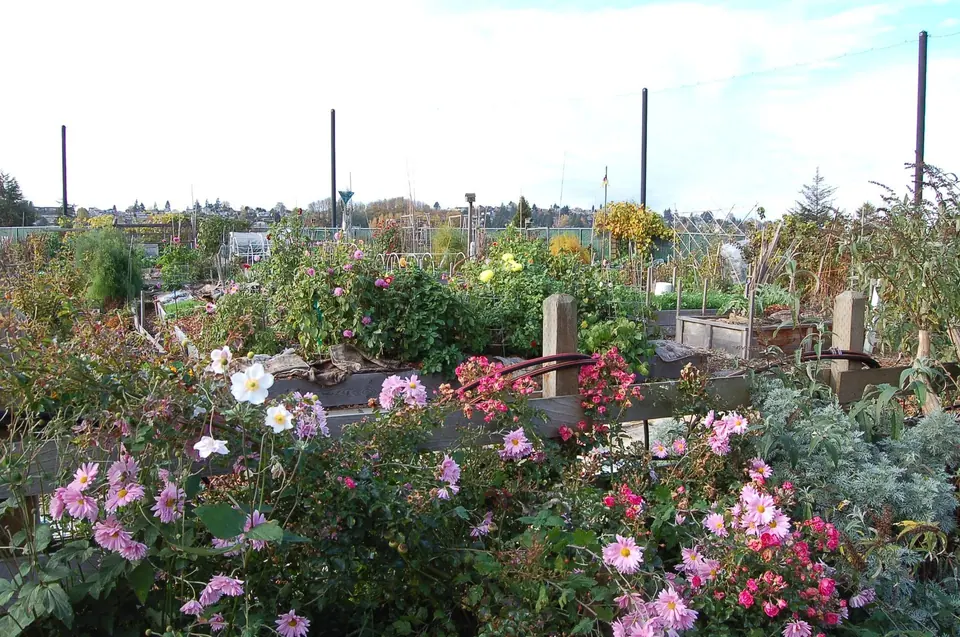
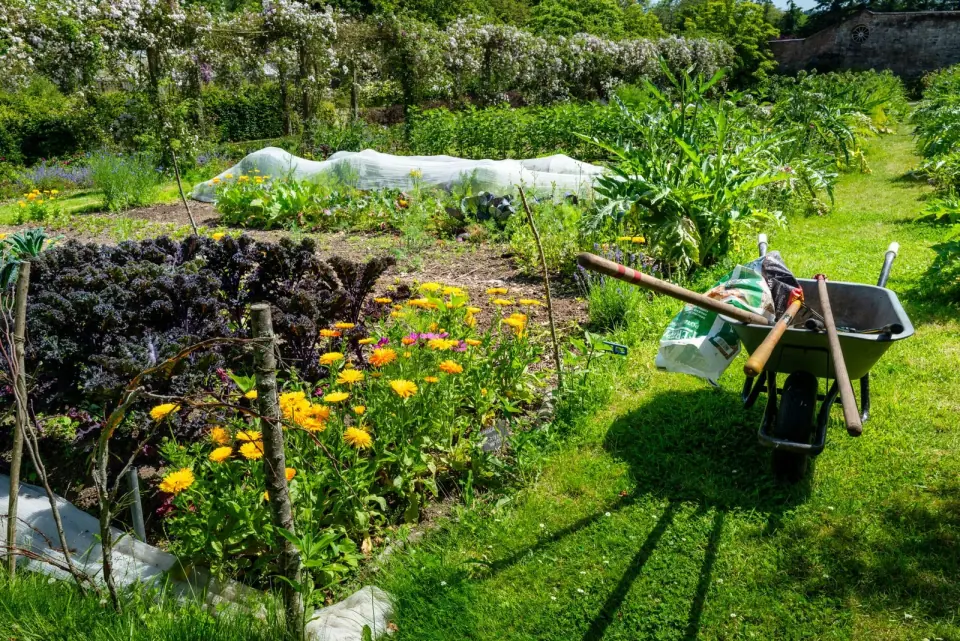
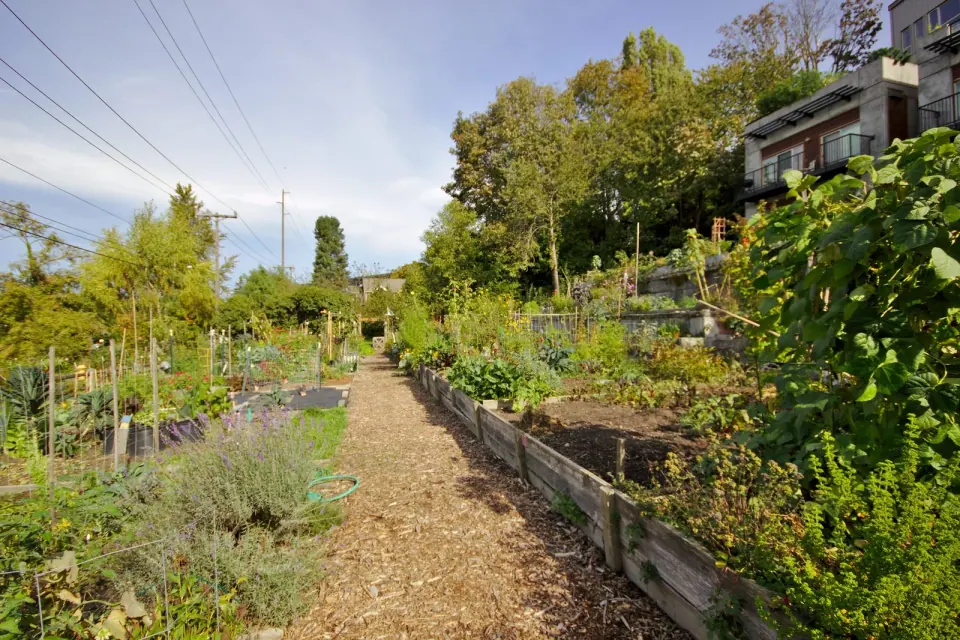
Raised beds and a wood chip path lined with vegetables and flowers at the Fairview Park P-Patch community garden in Seattle

All 33 community gardens

Filter by district

To get a community garden plot in Seattle, join the City's P-Patch interest list, online or by calling (206) 684-0264 and pressing 1, and choose up to two gardens close to your home. When a plot opens, a member of the P-Patch team contacts you, and most openings come up between January and June, so sign up early and keep your contact details current while you wait.

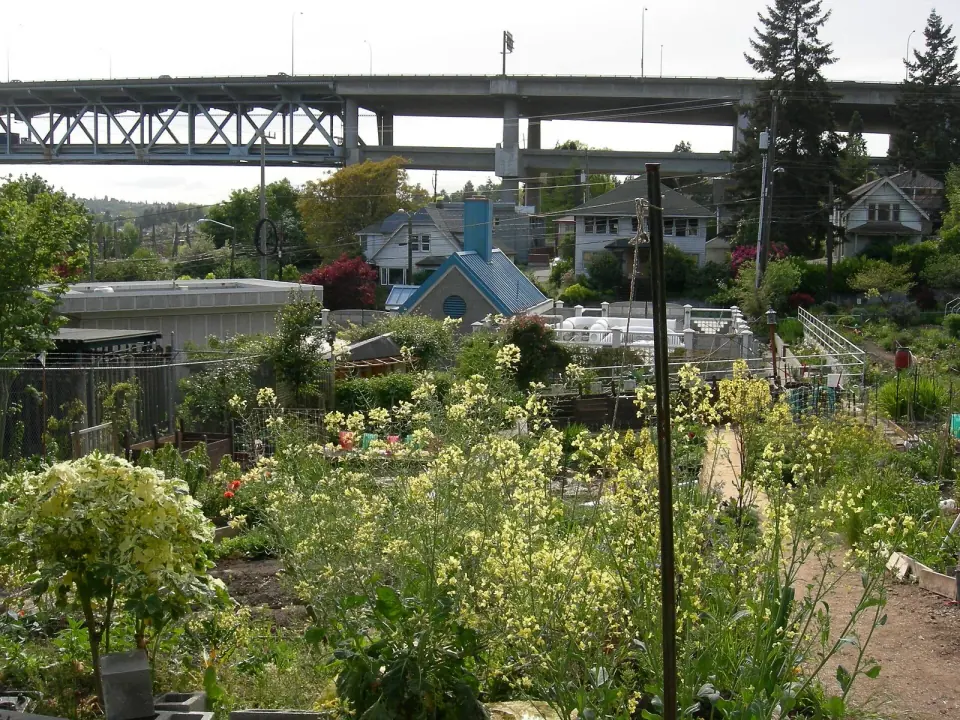
The program is run by the Seattle Department of Neighborhoods and covers 91 P-Patch community gardens across the city, where neighbors grow organic vegetables, flowers and herbs on small plots. Every garden has a wait, so this guide walks you through each step, what a plot costs, the rules you agree to and the ways to get your hands dirty before your turn comes.

How to get a P-Patch plot, step by step

1. Check that you are eligible

P-Patches are available to Seattle residents only, with limited exceptions, according to the city's How to Sign Up page. One plot is allowed per household, and you can hold space in only one P-Patch at a time.

2. Pick up to two gardens

Browse the P-Patch map and garden list and choose gardens near where you live, since you will be visiting often to water, weed and help out. You can sit on two interest lists at once, and the city also publishes a guide to gardens with accessible raised beds if you need one.

3. Join the interest list

Register through the online P-Patch portal, or call (206) 684-0264, press 1 and give your name, address, ZIP code, phone, email and your top two gardens in order of preference. You will also be asked whether you belong to a group the program works to serve, such as low-income residents, immigrants and refugees, people who need an accessible raised bed, or organizations serving seniors or young people up to age 24.

4. Wait for an offer

Openings typically occur between January and June, but the team may contact you at other times of year. When a plot is offered, the program encourages you to take it, though you can ask to stay on the list for the next opening instead.

5. Answer the check-ins

The P-Patch team checks in periodically and asks you to confirm your interest and update your details by a deadline. If you do not respond, you are removed from the list; you can ask to be reinstated at your original date within one year, and after that you go back on at the current date.

6. Start gardening

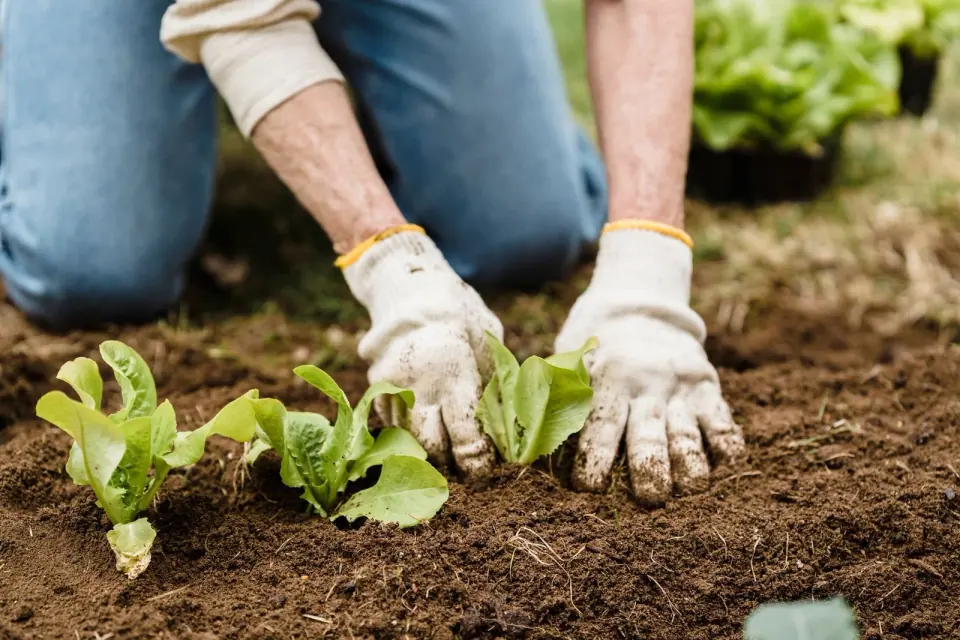
Once you accept a plot assigned between April 1 and October 31, you have two weeks to weed and plant it, under the P-Patch program rules. From then on, year-round care of your space, including the pathway around it, is your job.

Read the full guide

What a plot costs

Plot fees have two parts, an application fee and a permit fee that scales with the square footage of your garden space, and the Department of Neighborhoods can adjust them every two years to keep pace with inflation. Exact amounts change, so check the latest fee notice from the Department of Neighborhoods or ask P-Patch staff when you get an offer.

Money should not keep you out of a garden. The program says it remains committed to plot fee assistance for all gardeners in need, and the sign-up page points low-income residents to Seattle Parks' eligibility calculator for fee help.

The rules you agree to

  • Community service: complete at least 8 hours a year, with at least 4 of them at your own garden, counted from November 1 to October 31.
  • Organic only: use organic gardening inputs and methods; synthetic pesticides, herbicides and fertilizers are not allowed.
  • Year-round care: keep your plot and its pathway tended in every season, or the space can be reassigned after repeated lapses.
  • Sharing, not selling: produce, flowers and honey can be sold only through the P-Patch Market Garden Program, though garden-wide fundraisers are allowed.
  • One plot per household: in one P-Patch only.

Ways to garden while you wait

A wait of months or longer is common, so stay busy in the soil. The city's list of other opportunities to garden includes:

  • Beacon Food Forest: a community food forest managed under the P-Patch program and open to anyone who wants to get involved.
  • City Fruit: helps neighborhood fruit tree owners harvest and share their fruit.
  • Seattle Community Farm: now managed by Asian Counseling and Referral Service, it grows food for people experiencing hunger and welcomes regular volunteers.
  • UW Farm: a student organization at the University of Washington that welcomes community help.
  • Tilth Alliance and the Black Farmers Collective: local food and farming groups with ways to volunteer and learn.
  • Planting strips: the Seattle Department of Transportation lets you garden the strip in front of your home with a simple permit.
  • King County Conservation District's community agriculture map: find other community gardens and farms near you.

Volunteering at a P-Patch is another way in, and joining the program's email list keeps you up to date on gardening notices.

Visit a P-Patch before you apply

All P-Patch gardens are open to the public, so walk through a few before you choose your two. Stay on the paths, admire the plots and leave the harvest to the gardeners who grew it. Start with these guides:

Where the P-Patch name comes from

The program's official start is 1973, though its roots go back to 1970, when a University of Washington student arranged for children and families to plant vegetables on part of the Picardo family's truck farm in northeast Seattle. The City bought the farm in 1973, and the "P" in P-Patch still stands for Picardo, as the program's history page explains. Gardeners also give back: in 2022, the Giving Gardens program helped donate 44,403 pounds of organic produce to meal programs and food banks across the city.

Looking for more green space near your plot? Browse Seattle's best gardens and our guide to Seattle parks.

Frequently asked questions

Join the City's P-Patch interest list online or by calling (206) 684-0264 and pressing 1, and name up to two gardens near your home. The P-Patch team contacts you when a plot opens.

Every P-Patch has a wait, and the length depends on the garden. Openings typically occur between January and June, though offers can come at other times of year.

Fees include an application fee and a permit fee based on the size of your garden space, and they are adjusted every two years. Plot fee assistance is available for low-income gardeners, so check current amounts with the program.

Yes, P-Patches are available to Seattle residents only, with limited exceptions. Each household may hold one plot in one garden.

Yes. Gardeners complete at least 8 hours of community service a year, with at least 4 of those hours at their own garden.

Yes. All P-Patch gardens are open to the public, so you can walk the paths as long as you leave the plants and produce alone.