One early morning detail is worth knowing. Some of the first trips begin partway along the line rather than at the northern end, so a train listed on the schedule may not stop at Lynnwood. If you plan to board at an end station at dawn, confirm that your specific trip serves it.
Checking times for today or tomorrow
For current service, head straight to the Sound Transit 1 Line schedule and arrivals page. Each route page has separate tabs for the full schedule, upcoming arrivals and service alerts. Use the date picker to load the timetable for tomorrow or any day ahead, and switch the direction of travel as you need.
You can change the view, too. The table layout shows every stop and trip, while the point to point option narrows things down to just the two stations you care about. For the 2 Line and the T Line, start from the main Sound Transit routes and schedules hub, which also offers a trip planner and a station finder.
The Three Lines at a Glance
Together the lines cover about 63 miles and 51 stations. The system carried 39.1 million riders in 2025, with most of that traffic on the 1 Line.
1 Line: Lynnwood to Federal Way
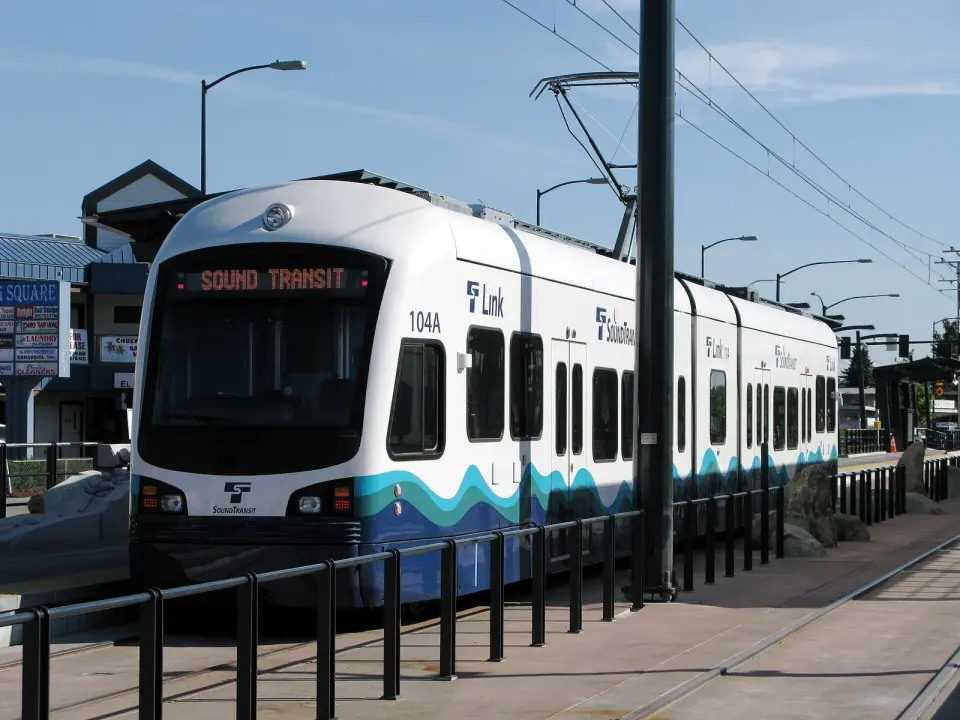
The 1 Line is the backbone of the network. Board at Lynnwood City Center in Snohomish County and ride south through Shoreline, Northgate, the University District, Capitol Hill and downtown Seattle. South of downtown it rolls through the Rainier Valley, stops at the airport and continues to Kent Des Moines, Star Lake and Federal Way Downtown, its southern end since December 6, 2025.
2 Line: Lynnwood to Downtown Redmond
From Lynnwood into downtown Seattle, the 2 Line shares the 1 Line's tracks. Then it turns east, stopping at Judkins Park and Mercer Island before crossing Lake Washington to the Eastside, where you can hop off at South Bellevue, Bellevue Downtown, the Spring District, Redmond Technology and Downtown Redmond.
This line opened in pieces. It began on the Eastside in April 2024, reached Downtown Redmond in May 2025, and finally connected to Seattle on March 28, 2026, after delays on the section over the lake.
T Line: Tacoma
The T Line stands apart, with no connection to the other two. It runs as a streetcar for about 4 miles in Tacoma on its own timetable. It is also the oldest part of the system, opening in August 2003 as the first modern light rail in Washington.
Where the 1 Line and 2 Line Share Track
Between Lynnwood and downtown Seattle, both lines stop at the same 14 stations. On this stretch, grab whichever train arrives first, which effectively shortens your wait. The shared stations, north to south, are:
- Lynnwood City Center, Mountlake Terrace, Shoreline North/185th and Shoreline South/148th
- Pinehurst, Northgate, Roosevelt and U District
- University of Washington, Capitol Hill and Westlake
- Symphony, Pioneer Square and Intl. District/Chinatown
The lines split just south of Intl. District/Chinatown, making it the last place to switch between them. Coming from the airport and heading to Bellevue? Ride the 1 Line north and change to a 2 Line train at Intl. District/Chinatown or any shared station beyond it.
Riding to and from the Airport
SeaTac/Airport Station sits on the 1 Line between Tukwila Intl. Blvd. and Angle Lake. Trains have served the airport since December 2009, a few months after the original Seattle segment opened, and airport riders follow the regular 1 Line timetable, so there is no separate airport schedule to look up.
Heading north from the airport, your train passes through Rainier Beach, Othello, Columbia City, Mount Baker and Beacon Hill before reaching Sodo, Stadium and downtown. With an early flight or a late arrival, load the 1 Line page for your exact date and check the first and last trips rather than assuming.
Exploring Seattle by Train
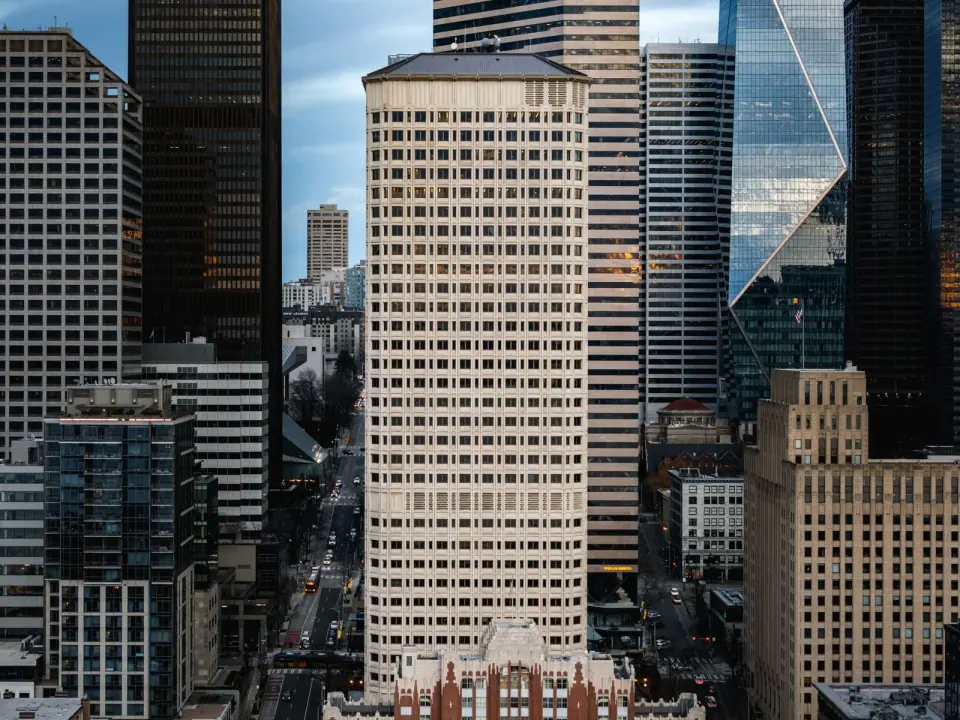
Many station names read like a map of the city's neighborhoods, from Capitol Hill and Columbia City to Roosevelt and Beacon Hill. That makes the train a practical way to hop between parts of town without parking. Browse our guide to Seattle neighborhoods to decide where to get off.
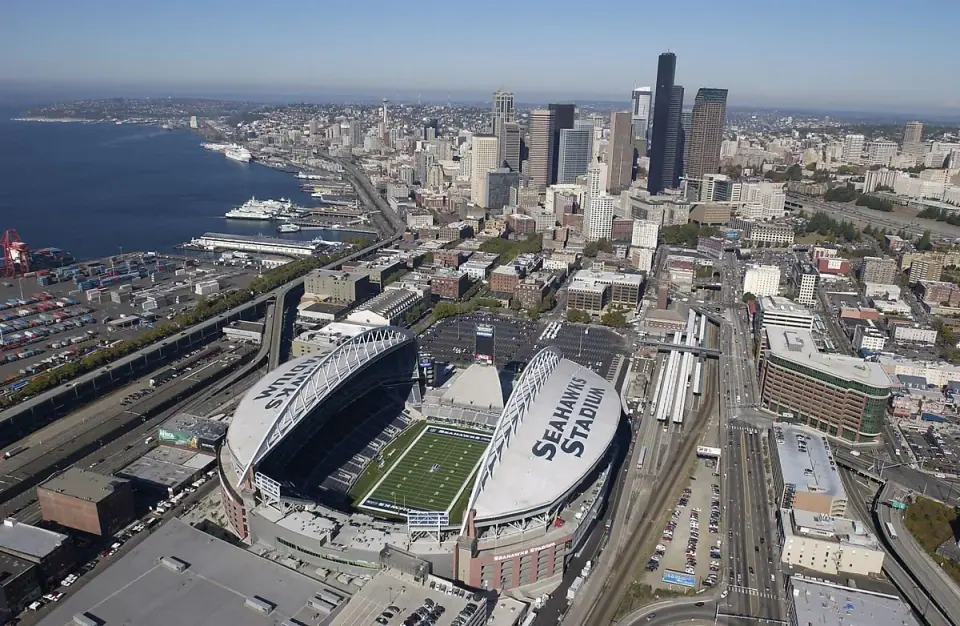
Downtown, Westlake, Symphony and Pioneer Square stations sit close together, and Stadium Station serves the area around the city's sports venues. For ideas to pair with a ride, explore our roundup of things to do in Seattle. The full official list with station details lives on the Sound Transit Link stations page.
Tips for a Smooth Ride
- Read the destination, not just the line. Trains are labeled by their end station, such as Federal Way or Lynnwood, so check direction before you step aboard.
- Look at alerts before you leave. The alerts tab flags disruptions that a printed timetable will not show.
- Use point to point for planning. It trims a long timetable down to just your two stations.
- Confirm fares with Sound Transit. Fare rules and payment options can change, so check the official site before you ride.
- Allow extra time at the ends of the day. First and last trips matter most for flights and late events.
How Link Grew, and Where It Is Headed
Link took a long road to the platform. Seattle voters turned down rapid transit plans more than once, including a 1968 subway proposal that won a majority but missed the required 60 percent. Sound Transit was created in 1993, and a funding measure passed on its second try in 1996. Much of downtown Link runs through the Downtown Seattle Transit Tunnel, which opened for buses in 1990 but was built with future rail in mind.
Since the Seattle line opened in July 2009, it has kept stretching outward: to the University of Washington and Angle Lake in 2016, Northgate in 2021, Lynnwood in 2024 and Federal Way in 2025. A 2016 ballot measure funds plans to grow the network to 116 miles and 83 stations by the 2050s, with extensions reaching Everett and Tacoma and branches to Kirkland, Issaquah, Ballard and West Seattle.