Where to Learn About Washington's Native Tribes Near Seattle
Plan your first day around one museum and one cultural center. The museums give you context, while the centers show you a community that is very much active today.
Burke Museum
Head to the University of Washington campus, where the Burke Museum makes an impression before you even step inside. Oversized bronze paddles by artists Tony A. (naschio) Johnson and Adam McIsaac stand out front, each showing a different Chinook style.
Inside, browse the Northwest Native Art Gallery, home to baskets, house posts, ancient cedar-bark hats and a canoe that stretches 35 feet. Save time for lunch at Off the Rez, the museum's cafe, known for Indian tacos served on handmade fry bread.
Seattle Art Museum
Downtown, the Seattle Art Museum shows Native work across many forms, from paintings to masks and sculpture. Pair a visit here with a waterfront walk nearby for a satisfying half day.
Duwamish Longhouse and Cultural Center
Cross to West Seattle for the Duwamish Longhouse, built in the traditional cedar post-and-beam style. Here you can stand in a structure that reflects how the city's first people built along the river that bears their name.
Daybreak Star and the Summer Powwow
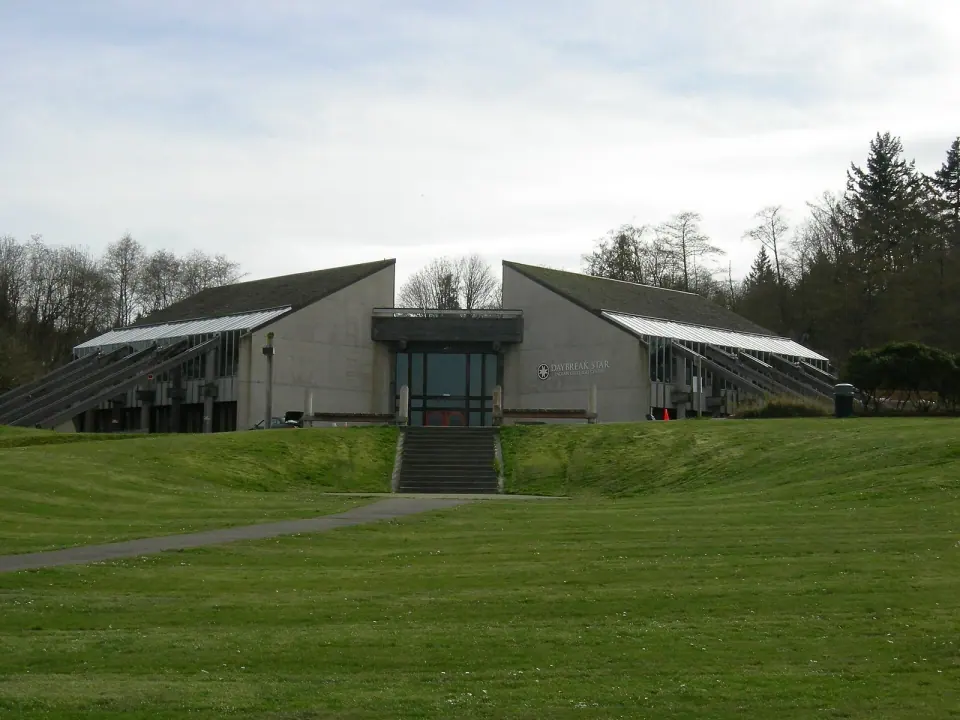
In Magnolia, Daybreak Star Indian Cultural Center sits on a street named for activist Bernie Whitebear. Come in July for the Seafair Indian Days Powwow, with drumming, dancers in traditional regalia and food, and check the center's official channels for this year's dates.
Browse the rotating exhibits at the center's Sacred Circle Gallery, which also sells handsome gifts. Flying out? Look for a small outpost of the gallery at Seattle-Tacoma International Airport, near the A gates.
Native Art Along the Rebuilt Waterfront
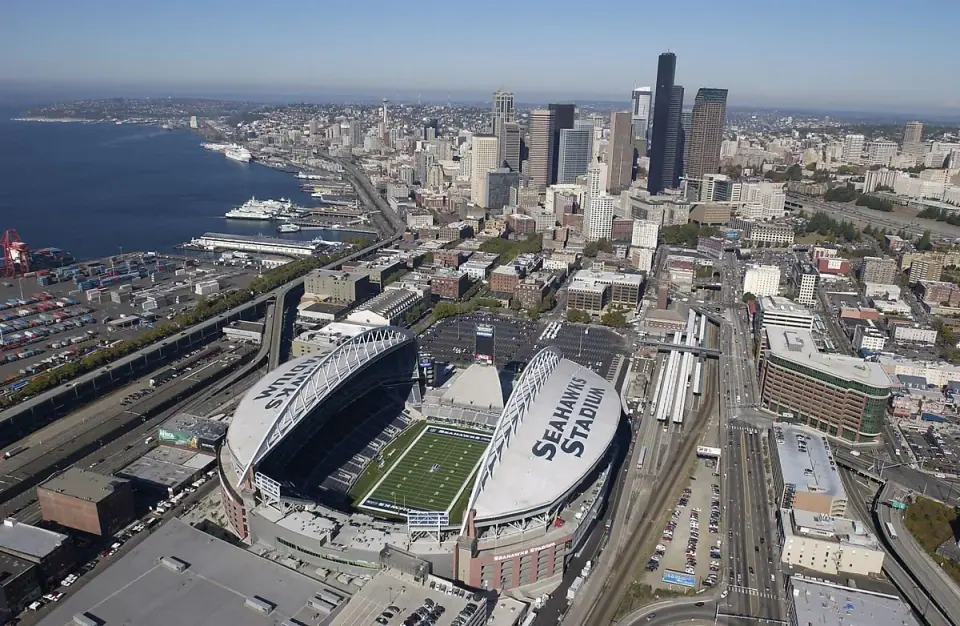
Stroll the new Waterfront Park, which runs 17 blocks along Elliott Bay from the stadiums near Pioneer Square up to Belltown. Native artists created many of the works woven into it, so your walk doubles as an outdoor gallery.
Glass Salmon at the Ocean Pavilion
Lummi glass artist Dan Friday designed three installations for the Ocean Pavilion at the Seattle Aquarium. Look up for the most striking of them, a school of 33 hand-blown glass salmon suspended overhead and a fitting tribute to a fish central to Coast Salish life.
Pioneer Square Plazas and the Houseposts
In Pioneer Square, the Plazas on Railroad Way feature Indigenous artists in installations that change every year. Past work has included digital paintings by Kimberly Saladin of the Muckleshoot Tribe and bird imagery by Stephan Smith of the Quinault and Makah tribes.
Follow the bike path between Columbia and Spring streets to find To Our Teachers deqwaled (Houseposts). Oscar Tuazon made it with Native carvers Randi Purser, Tyson Simmons and Keith Stevenson to honor carved houseposts as a living tradition.
Family at Pier 58 and the Overlook Walk
At Pier 58, three bronze-and-cedar figures by Qwalsius-Shaun Peterson, titled Family, welcome you to Coast Salish homelands. It is a meaningful spot to pause and take in the bay.
From there, climb the Overlook Walk from the Ocean Pavilion rooftop up to Pike Place Market. Muckleshoot tribal member Valerie Segrest designed its plantings to reflect the ecosystems and foods found from Mount Rainier, or Tahoma, down to the Salish Sea.
Discovery Park and the Fight for Fort Lawton
Wander Discovery Park today and you will find breezy meadows and bluffs overlooking Puget Sound. Few visitors realize this calm ground was once Fort Lawton, a military post that opened in 1900 on land long inhabited by the Duwamish and other Coast Salish peoples.
The fort grew busy during World War II, at times housing more than 20,000 soldiers, and by 1969 the federal government had declared it surplus. City leaders wanted a park, but Native activists saw a home for an urban Indigenous population that had grown fivefold in two decades.
Why So Many Had Moved to the City
Life on tribal lands had grown harder for generations. The Grand Coulee Dam, opened in 1942, devastated Indigenous areas and hurt salmon fishing, while stricter fishing rules threatened traditional ways of life. Starting in the 1950s, federal policies dissolved tribes and pushed members toward cities.
Newcomers often struggled to find steady work and support. Volunteers with the American Indian Women's Service League stepped in with services and advocacy, but their bid for city funding for a center fell short.
The 1970 Occupation
Bernie Whitebear and fellow activists asked the mayor and City Council for the land and were turned down. Inspired by the Alcatraz occupation in California, they formed the United Indians of All Tribes in early 1970 and began to plan.
On March 8, 1970, more than a hundred Native protesters and many non-Native allies entered the fort. Whitebear read a proclamation that turned the Doctrine of Discovery back on itself, claiming the land for all American Indians, and the group pointed to treaty promises that surplus military land would return to its original owners.
Day Trips to Suquamish and Tulalip
Take a short trip west to the Kitsap Peninsula to visit the Suquamish Museum and the grave of Chief Seattle. It is a natural pilgrimage if you are curious about the man behind the city's name.
Or head north into Snohomish County to the Hibulb Cultural Center in Tulalip, which focuses on local Native languages. Leave time to explore its natural history preserve on foot.
A Canoe Center Taking Shape on Lake Union
On the southwest shore of Lake Union, the Northwest Native Canoe Center is under construction. It is a long-sought project of the United Indians of All Tribes Foundation, which has pushed for waterfront space devoted to Coast Salish canoe culture.
Plans call for a modern take on a longhouse, crowned with a living roof that blooms with blue camas. Visitors will see carving workspaces and learn how Coast Salish life ties to Seattle's waters. Opening timelines have shifted, so check the foundation's updates before you go.
Spend your souvenir budget at Native-run or Native-focused shops, and the money goes back into the community. At the Burke Museum Store, browse paper goods from Native-owned companies such as Urban Native Era and Trickster Company, including bright stickers by local artists.
Downtown, galleries devoted to Native work include Eighth Generation on First Avenue, Steinbrueck Native Gallery near the market and Stonington Gallery in Pioneer Square. Pair a gallery stop with a waterfront art walk for a full afternoon.