The turning point came decades later, when much of the fort was declared surplus in 1971, transferred to the city in 1972 and dedicated as Discovery Park in 1973. Its name honors HMS Discovery, the British sloop that Captain George Vancouver commanded in 1792 during the first European exploration of Puget Sound.
Fort Lawton carried on as an Army Reserve facility until a closing ceremony on February 25, 2012. Back in 2004, the City of Seattle also agreed to buy about 24 acres of U.S. Navy property inside the park, choosing to tear down those buildings to create open space. What happens to the remaining former military land has been part of a long public debate over housing.
Fort Lawton buildings to look for
Much of the Fort Lawton Historic District lies inside the park, and both the district and the West Point Lighthouse are listed on the National Register of Historic Places. Stroll around the main grassy area to see several of the old fort buildings still standing, some of them showing their age. Then look for the Fort Lawton Chapel, a landmark about 0.4 miles from the park address and another reminder of the post's past.
Walk the Loop Trail
Start with the Discovery Park Loop Trail, the route most visitors choose. Named a National Recreation Trail in 1975, this 2.8-mile circuit winds through forest, meadow and shrubland across the upper part of the park, opening up to views over Puget Sound.
The loop connects with the rest of the park's network, which adds up to 11.81 miles of trails. That makes it easy to stretch your walk with a detour out to the bluffs or a descent to the shoreline.
Forest, meadow and bluff
The scenery shifts as you walk. Conifer forest gathers around the north bluff, reached from the road heading down to the beach, while deciduous woods ring the two parking lots and the visitor center. Above the south bluff, a broad meadow dotted with small trees and shrubs opens up toward the water.
Keep an eye out for bigleaf maple, red alder, bitter cherry, Douglas-fir, western red cedar and western hemlock, all common here. Invasive plants such as Himalayan blackberry, Scot's broom, English ivy and holly grow throughout the park and take ongoing work to keep in check.
Beaches and West Point
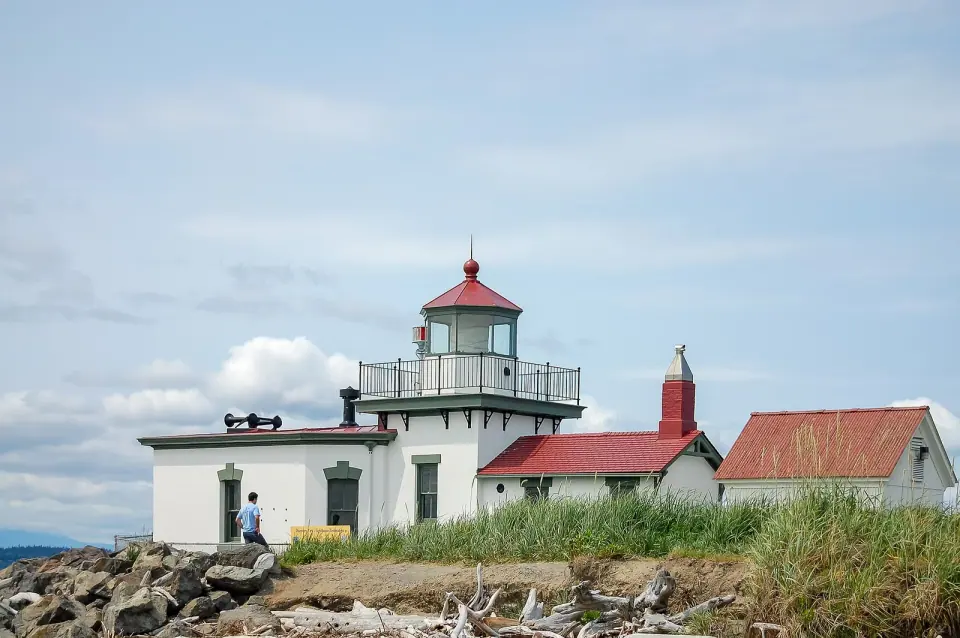
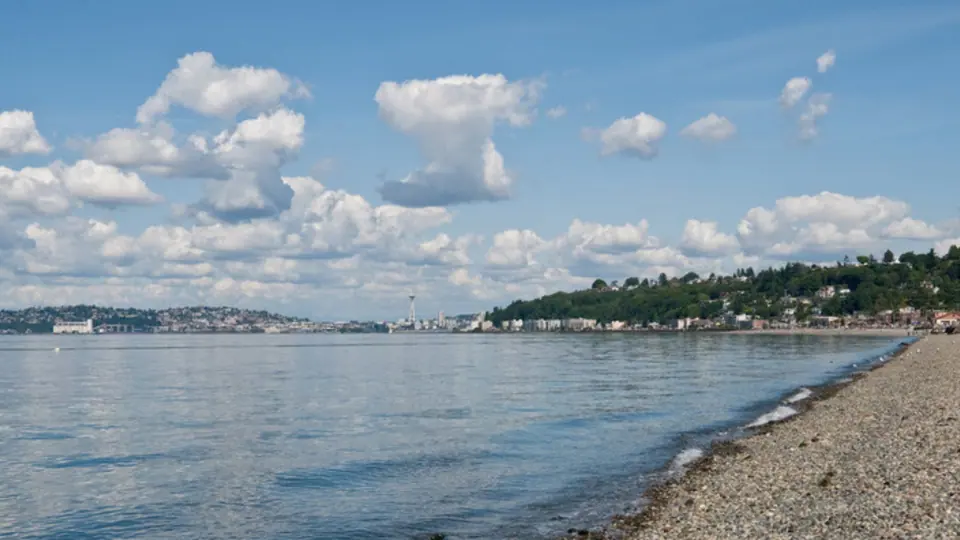
The park's shoreline curves around a peninsula with West Point and its lighthouse at the tip. Two beaches meet right there, each facing different water.
- South Beach looks out over Elliott Bay on the windward side of the peninsula.
- North Beach sits on the sheltered leeward side, facing toward Shilshole Bay. The West Point Treatment Plant lies on the south side of this stretch, but it stays almost completely hidden from the beach, marsh and trail.
You can reach the shore on foot or by road. Save some energy for the trip back from North Beach, since the climb up is moderately tiring.
Driving down to the beach
To drive to the beach, you'll need a permit in advance. Permits are free and handed out at the Environmental Learning Center in the East Parking Lot, but only to groups with children age 7 or younger, seniors 62 and older, and people with a physical disability. Everyone else heads down on foot.
Spot the wildlife
Bring binoculars, because Discovery Park ranks among the top places in Seattle to watch wildlife, especially birds and marine mammals. Local birders have recorded about 270 bird species in the park and the surrounding waters.
Scan Elliott and Shilshole bays for the harbor seals and California sea lions that live there, and watch for Townsend's chipmunks scurrying through the woods. Larger animals show up now and then: a coyote made the news in the winter of 2008 to 2009, a black bear was seen in May 2009, and a cougar prompted a park closure in September 2009 before it was trapped and moved to the Cascades. Wildlife officials noted that cougars can reach the park by following the shoreline at low tide or walking along the train tracks.
Plan your visit
The park has two parking lots, and the East Parking Lot is home to the Environmental Learning Center, where beach driving permits are issued. Before you go, check with Seattle Parks and Recreation for current hours, closures and program details.
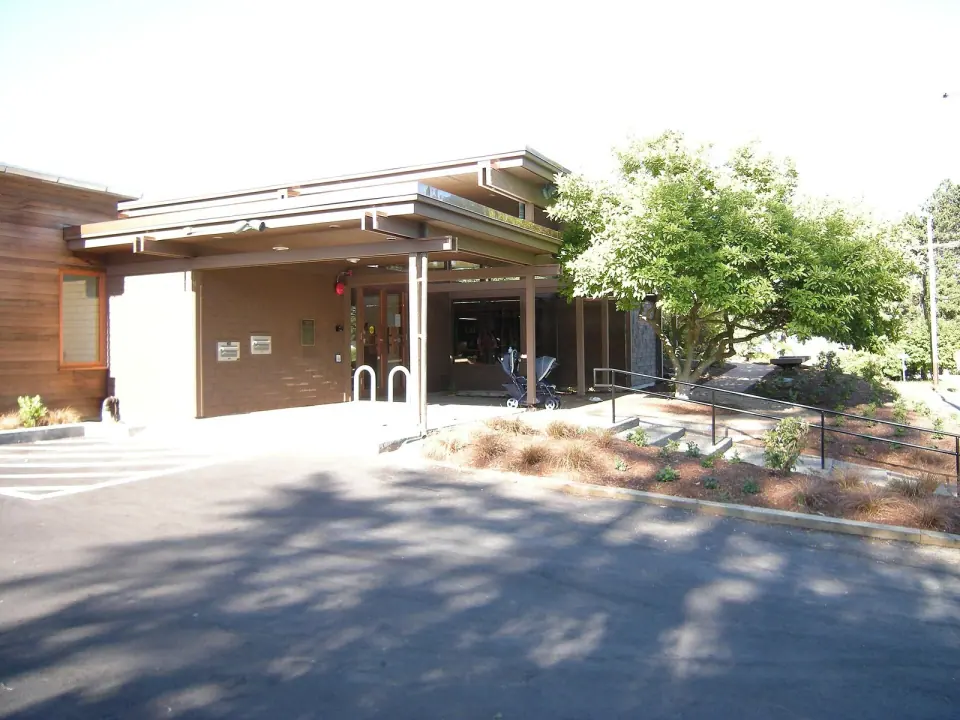
The Discovery Park Visitor Center welcomes more than 45,000 people a year, with support from over 90 volunteer naturalists. City budget plans for 2026 called for cutting environmental education funding in half, which could close the center unless a private operator steps in, so confirm its status ahead of your trip.
More to find inside the park
- Daybreak Star Cultural Center stands within the park's boundaries.
- West Point Lighthouse marks the westernmost point in Seattle.
- The shoreline served as the backdrop for the music video for "Hunger Strike" by the grunge band Temple of the Dog.