Exploring without a rental
- Link light rail offers level boarding with no ramp needed, along with audio and visual stop announcements.
- King County Metro buses and streetcars have ramps and lifts for wheelchair and scooter users.
- Washington State Ferries sail from the Seattle waterfront to Bainbridge Island and Bremerton, and the boats are wheelchair accessible.
- Riders with disabilities get priority seating and fare discounts across these systems, and service animals are welcome aboard.
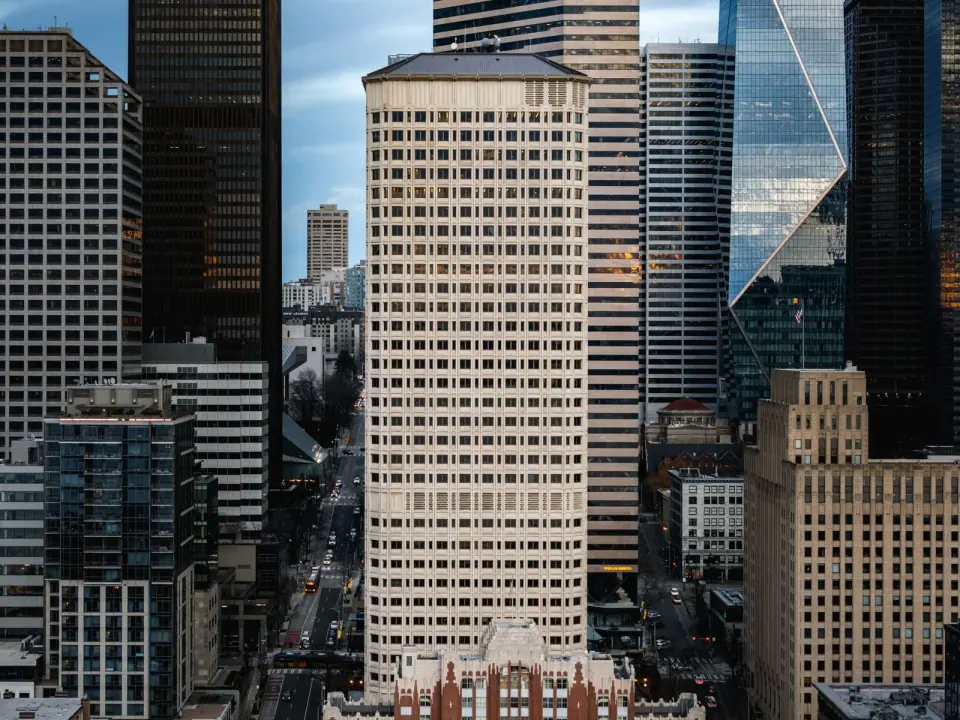
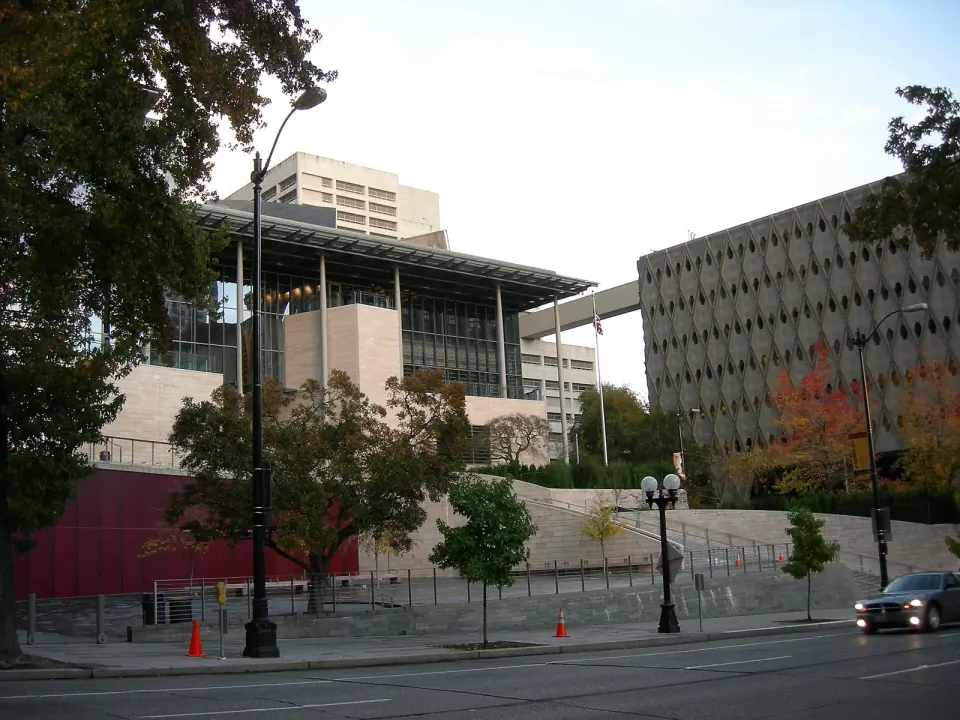
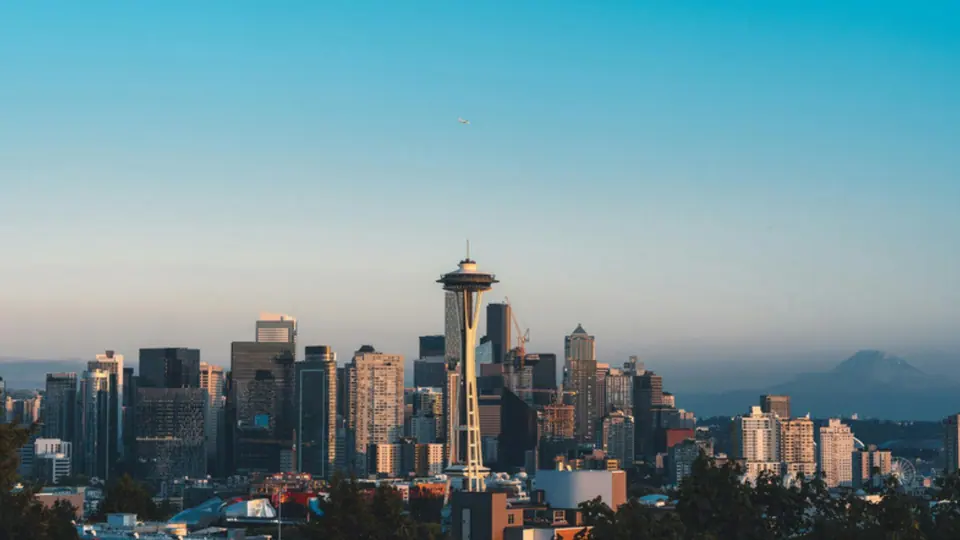
To see how much you can reach this way, browse our guides to Seattle neighborhoods and Seattle landmarks.
Airport or Downtown: Where to Pick Up
Where you collect the keys shapes both what you pay and how convenient the trip feels. Each pickup area comes with a clear tradeoff, so match it to your plans.
Seattle-Tacoma International Airport
As the ninth busiest airport in the country, Seattle-Tacoma International Airport runs a rental operation to match. Here you get the biggest vehicle selection, every major rental company and round-the-clock service, with a shuttle carrying you from the terminal to the rental facility.
The catch is cost and distance. Airport rentals carry extra charges, roughly an 11 percent fee plus a daily facility fee of about $6. The airport also sits about 14 miles from the city center, and lines can build during busy periods.
Downtown
Rent in the city center and you skip airport fees while paying a lower tax rate, a smart fit if you are staying in town. Expect shorter business hours and fewer vehicles to choose from, though. Base rates can run higher than in outlying areas, and you will still pay to park the car overnight.
South Lake Union and Capitol Hill
Head to these offices if you are working near the big tech campuses or staying a while. You avoid airport fees here too. Weekend hours tend to be limited, the selection is smaller and you need to get yourself there first.
Northgate and the University District
Look north for base rates that often come in lower than downtown, a welcome break for budget renters. This area works well for University of Washington visitors and for drives heading north. Hours are tight, especially on weekends, and you will be farther from the main city attractions.
What Shapes the Price
Rates shift constantly, so treat any figure here as a snapshot and compare current quotes before you book.
Season matters most
Plan a January trip for generally the cheapest rentals of the year, while July tends to be the most expensive. Midsummer rates have averaged more than double January's, running well above the yearly norm. From June through September, booking three to four weeks ahead is a sensible move.
Outside peak season you can afford to stay flexible. Book about a week out, keep checking and rebook if the price drops. Most cars can be canceled free of charge, but confirm the terms on your reservation.
Vehicle size
SUVs are the most popular rental class in Seattle. Choose a small car, though, and you will typically pay noticeably less than the average rental while finding it easier to park on tight city streets. Vans run well above average, so only book one if your group truly needs the seats.
Trip length and extras
- For rentals of five days or more, compare the weekly rate against daily pricing, since it is often lower.
- Each additional driver can add around $10 to $15 a day, though spouses are often included free.
- Skip add-ons you will not use, because they stack up quickly over a long rental.
Driving and Parking Around Town
Tolls
Toll roads can cost you twice: once for the toll and again for the rental company's administration fee. Cross Lake Washington on I-90 instead of SR-520, and skip the SR-99 tunnel whenever an easy detour exists.
Parking rules
Downtown meter rates change by location and time of day. Paid hours vary by area and day, sometimes including Sundays, so read the posted signs every time you park. Parking garages offer full-day and evening options.
Out in the neighborhoods, many residential streets require a permit, and commercial districts commonly limit parking to two to four hours. A compact car makes every one of these spaces easier to use.
A Money-Saving Plan for Most Visitors
- Arrive by light rail or ride-share and explore the city on foot and by transit.
- Pick up a car from a downtown or neighborhood office the morning you head out of town.
- Choose a small car, keep drivers to a minimum and plan routes around tolls.
- Return it before you settle back into the city, so you are not paying for idle days or hotel parking.
Looking for ways to fill your car-free days? Start with our list of things to do in Seattle or wander through our guide to Seattle parks.