Wander a Park That Is Mostly Forest
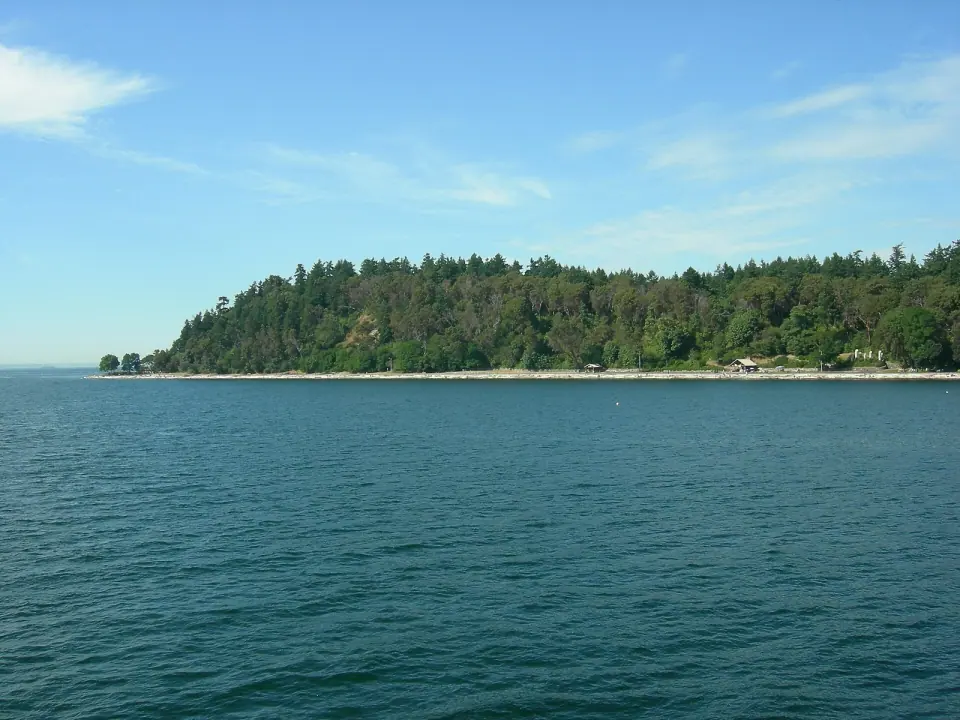
About 64 percent of Lincoln Park is forested natural area, with developed landscape at around 16 percent, shoreline at about 12 percent, and recreation space such as the playground and ball fields at only about 8 percent. That balance sets the tone for your day, since most of your time here will be spent under the trees or beside the water.
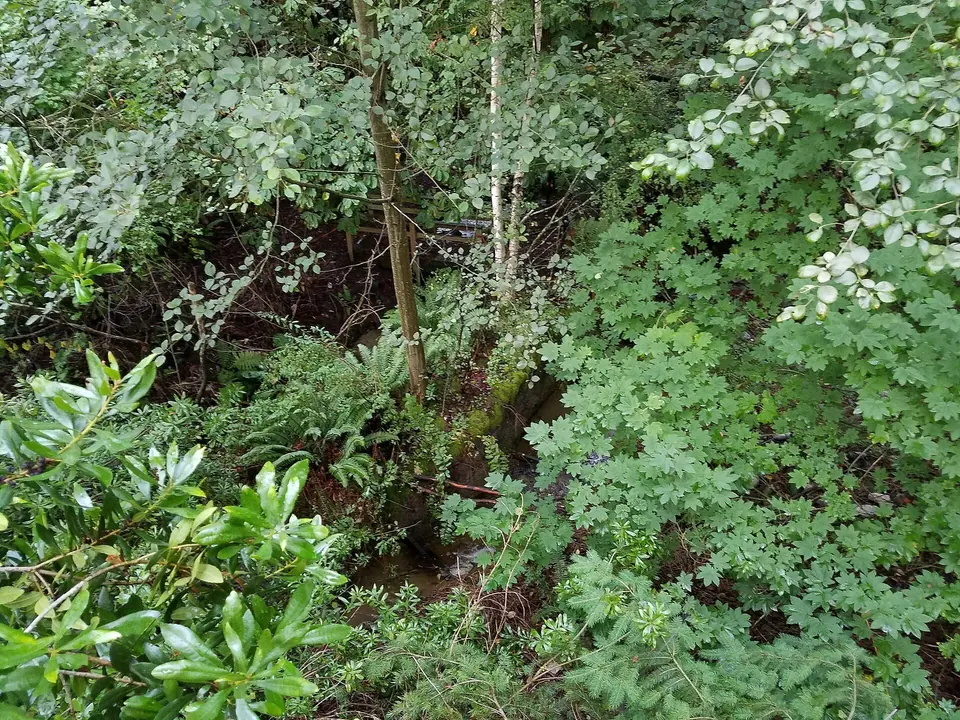
Stroll and you'll notice how varied the plant life is. Open lawns are dotted with trees, native forest stands partly intact and partly pressed by invasive plants, groves of madrona rise along the way, beach grass lines the shore and planted landscape beds add color.
Seek Out the Dawn Redwoods
Tree lovers can spend a happy hour looking up. Look for the grove of dawn redwoods, a rare species planted in the park in 2014, then keep exploring the many other tree species growing across the upland.
Bring Binoculars for the Birds
Serious birders make a point of coming here. Visitors have logged more than 150 bird species in and around the park over the years, and a local survey from 2017 to 2020 recorded 61 species within the park itself. Pack binoculars and scan the forest edges and the shoreline.
Stroll the Beach Walk and Shoreline
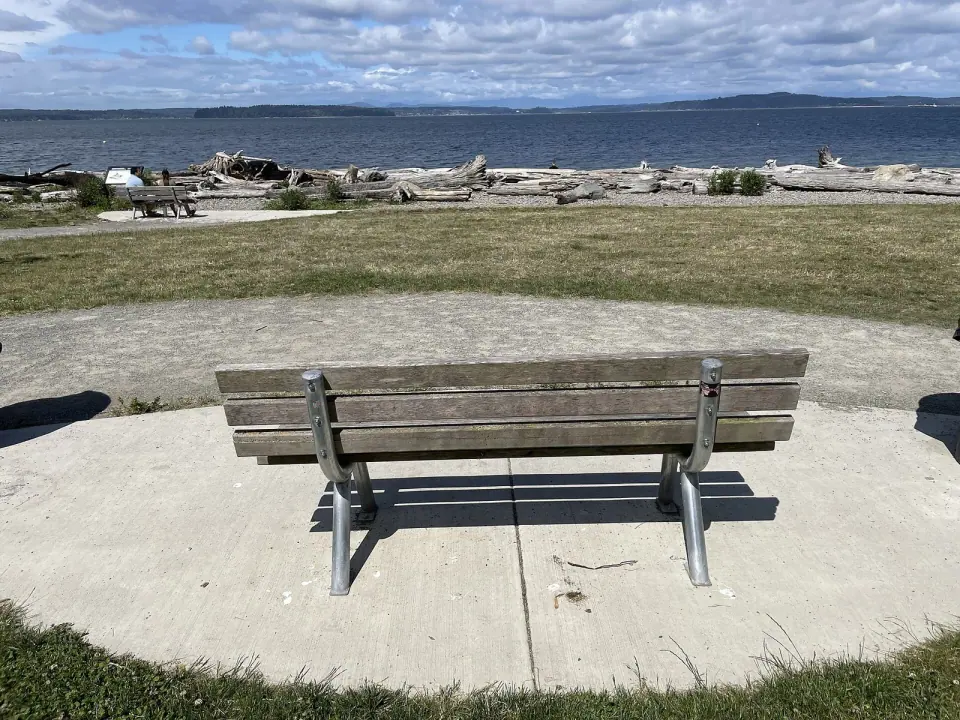
For many visitors, the paved beachside walkway is the heart of the park. The path runs at the foot of the bluff close to the water, giving you an easy, level stroll with views stretching across Puget Sound.
This shoreline is special ecologically, too, ranked in a 2010 study among the healthiest shoreline habitat in Seattle. Tread lightly on the beach and leave tide pool life just where you find it.
The seawall beside you carries a complicated story. Built in the 1930s, it was reinforced in 1985 and 1988 through projects overseen by the Army Corps of Engineers to protect Colman Pool and other structures at Williams Point. The 1988 work placed about 40,000 tons of rock along the wall and around the point, and a later U.S. Fish and Wildlife Service review found the projects harmed the intertidal ecosystem.
Take a Swim at Colman Pool
Colman Pool is a heated saltwater swimming pool at Williams Point that opens in summer. Swimming in salt water right beside Puget Sound is an unusual treat for a city pool, and the setting at the base of the bluff makes it even more memorable.
The pool's roots run deep. In 1925 the city built a dirt-sided pool where a natural lagoon had been, with a wooden sluice gate letting salt water in at high tide and draining it at low tide. In 1941 Kenneth Colman, a descendant of Seattle pioneers, gave the present Colman Pool to the city in memory of his father, Laurence, and it was built over that earlier tide-fed pool.
Step into the lobby of the pool building to see the mural by Ernest Norling. Colman Pool also holds a place in an important civil rights moment: it was integrated in 1944 after African American students from the University of Washington staged demonstrations.
Season dates, hours and fees can change, so check with Seattle Parks and Recreation before planning your swim.
Go Find Bruun Idun, the Troll
Head into the woods to meet Bruun Idun, a 15-foot troll sculpture built in 2023 by Danish artist Thomas Dambo. The troll belongs to his Northwest Trolls: Way of the Bird King project, and tracking it down among the trees is a favorite family outing.
Fields, Picnics and Play
Beyond the trails and beach, Lincoln Park has everything you need to turn a visit into a full day out:
- Athletic fields for team sports
- Picnic shelters for gatherings
- A playground
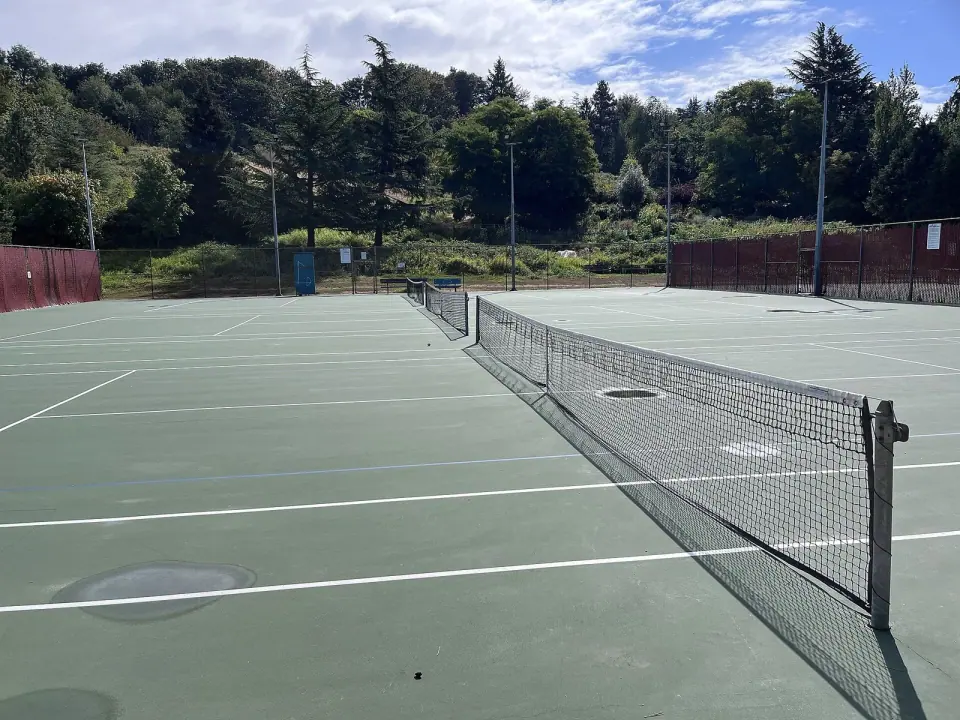
- Tennis courts
- Forest trails across the upland
Recreation space stays modest on purpose. In 2024 a plan to add six pickleball courts was dropped after pushback from neighbors and conservationists, with birders among the most vocal.
The Story Behind the Park: From Tight Bluff to Lincoln Park
Long before the city arrived, the Duwamish called this place Tight Bluff (in Lushootseed, CHuXáydoos), a name pointing to its thick growth of plants. The headland itself is known as Williams Point.
The Olmsted Brothers landscape firm recommended the site as a park in 1908, calling it Williams Point Park. Seattle approved buying the land in 1922 and first named it Fauntleroy Park before renaming it for Abraham Lincoln. Because the Olmsteds were never hired to design it, the park grew piece by piece without a single master plan.
Campers, the New Deal and Forward Thrust
When the first pool opened in 1925, its construction coincided with a Knights Templar convention, and around 500 members camped in the park. In the 1930s the WPA and other New Deal agencies added trails, seawalls, playgrounds and tennis courts. Later, in the late 1960s and early 1970s, the Forward Thrust program invested roughly $900,000 in upgrades, including tennis courts and restrooms.