Skip to content
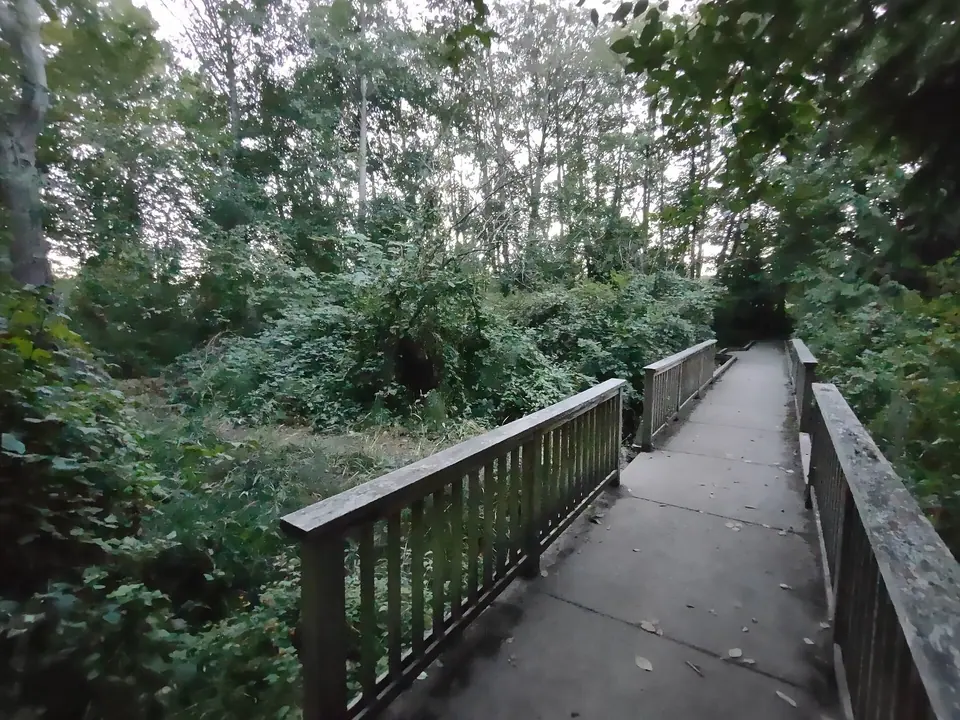
Wooden walkway through the green woods of Licton Springs Park in Seattle

Licton Springs Park

Visit Licton Springs Park at 9536 Ashworth Ave N in North Seattle, where a natural spring has drawn Coast Salish people for thousands of years. In 2019 it became the first Native cultural site named a Seattle city landmark.

Part ofLicton SpringsParks in Seattle

Frequently asked questions

Licton Springs Park is at 9536 Ashworth Ave N, Seattle, WA 98103, in the Licton Springs neighborhood of the Northgate district. The park sits where Woodlawn Avenue curves to meet N 95th Street.

Licton comes from líq’tәd (LEEK-tuhd), the Lushootseed word for the reddish mud of the spring. The neighborhood and the park both take their name from it.

In October 2019, the spring and the park around it were designated a city landmark. It was the first Native cultural site in Seattle to receive that status, recognizing thousands of years of use by Coast Salish peoples.

Yes. The natural spring is at the north end of the park, and restoration that began in the mid-1960s added a small pond and wetland plants around the site.

Yes. The spring fed Green Lake until nearby residential development polluted it, after which it was capped and drained into the sewer system in 1920 and 1931.

The full guide

Iron-red mud surrounds the natural spring at Licton Springs Park, a small neighborhood park at 9536 Ashworth Ave N in North Seattle. Coast Salish people have come to this spring as a place of healing for roughly 10,000 years, and in October 2019 the spring and the park around it became the first Native cultural site designated a Seattle city landmark.

The Story in the Name

Listen for the old word when you hear the name. Licton comes from líq’tәd, pronounced LEEK-tuhd, the Lushootseed word for the reddish mud found at the spring, and the whole surrounding neighborhood still carries that name today.

Head to the north end of Licton Springs Park to find the spring itself. Lushootseed-speaking Coast Salish peoples, the dxʷdəwʔabš (People of the Inside) and the x̌ačuʔabš (People of the Large Lake), came here for spiritual and physical renewal from the time the land was settled after the last ice age. In the 1850s, these groups became the Duwamish tribe known today.

Read the full guide

A Landmark Unlike Any Other

Many Seattle landmarks are buildings, so Licton Springs Park stands apart: the city honored it for its place in Native life rather than for its architecture. The October 2019 designation covers both the spring and the park around it, and it marked the first time Seattle granted landmark status to a Native cultural site.

You may notice nearby listings that show the landmark separately as líq’tәd, Licton Springs Park. Both names point to the same ground, so when you visit the park, you are visiting the landmark.

From Pioneer Cabin to Restored Wetland

After Seattle's founding, the spring came close to being lost before it slowly recovered. Keep a few moments in mind as you walk the grounds:

  • Around 1870: Seattle pioneer David Denny built a summer cabin close to the spring.
  • 1920 and 1931: The spring once fed Green Lake, but nearby homebuilding polluted it, and it was capped and routed into the sewer system.
  • 1930s: The Olmsted Brothers drew up a park for Licton Springs as part of a larger plan for Seattle's streets and parks, though that design was never built.
  • Mid-1960s: Bond funding and a growing corps of volunteers began restoring the site, bringing back a small pond, wetland plants and everyday park features.

Everything you see today grew out of that restoration work. Look for the park where Woodlawn Avenue bends to meet N 95th Street.

What to Look For

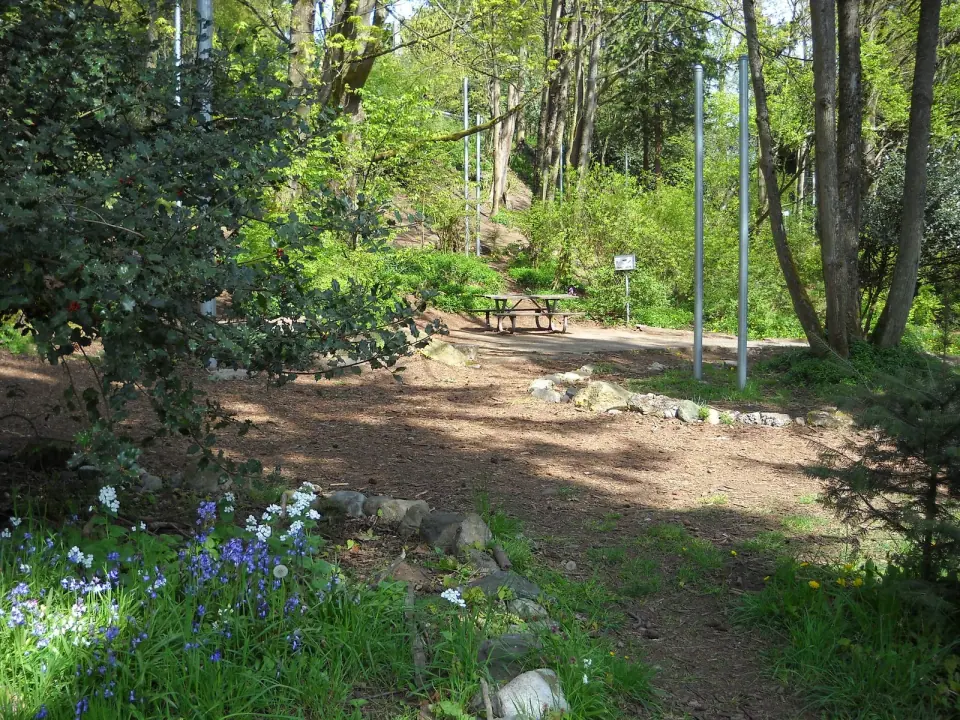
Licton Springs Park is a quiet place that rewards a slow, attentive visit. Start at the north end, where the spring rises, and look for the reddish mud that gave the area its name. Then wander over to the pond and the wetland plantings that volunteers helped bring back.

Take your time here and treat the spring with respect, since this is an active cultural site for Native people as well as a neighborhood green space. Before you go, check with Seattle Parks and Recreation for current hours, rules and any posted notices.

Finding Your Way Around Licton Springs

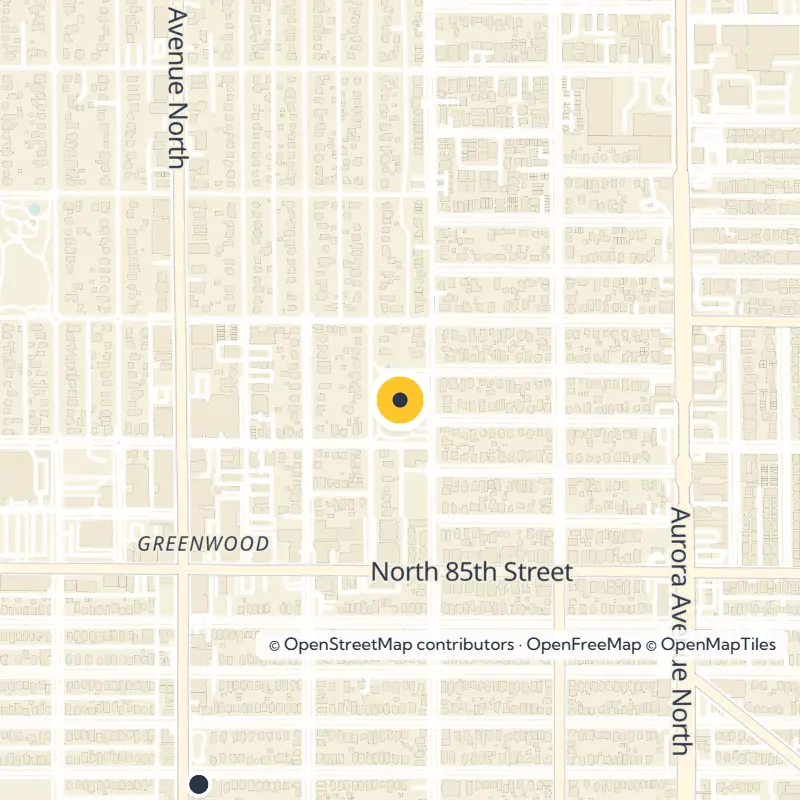
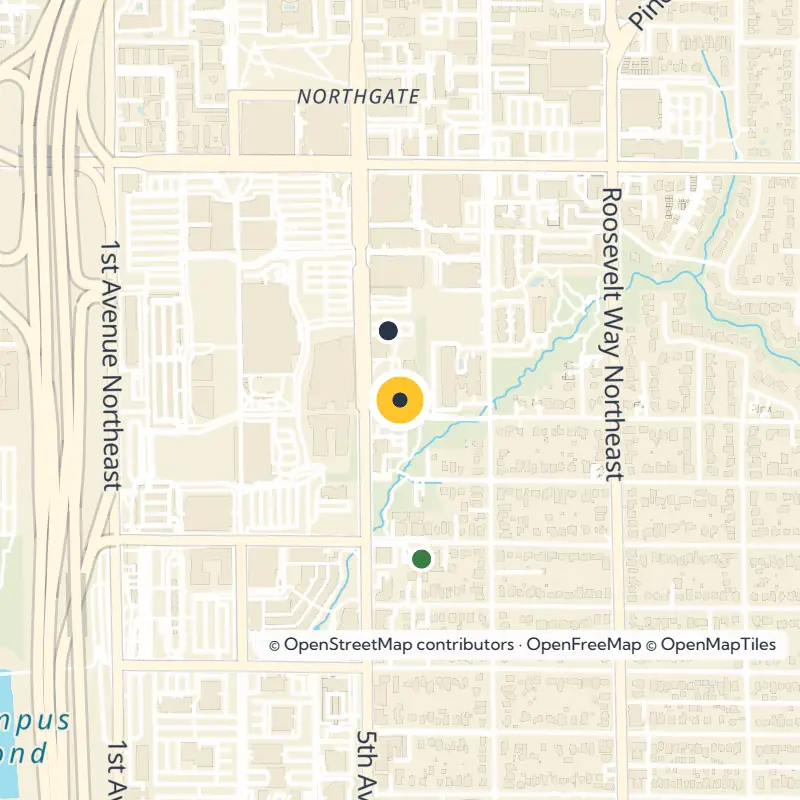
You will find the park in the middle of the Licton Springs neighborhood, part of the informal Northgate district. Interstate 5 frames the neighborhood on the east, Aurora Avenue N on the west, N 85th Street on the south and N Northgate Way on the north. Just beyond those edges lie Maple Leaf, Greenwood, Green Lake and Haller Lake.

More Green Spaces Within a Mile

Round out your stop at the spring with a nearby park or garden. Distances below are straight-line from the park:

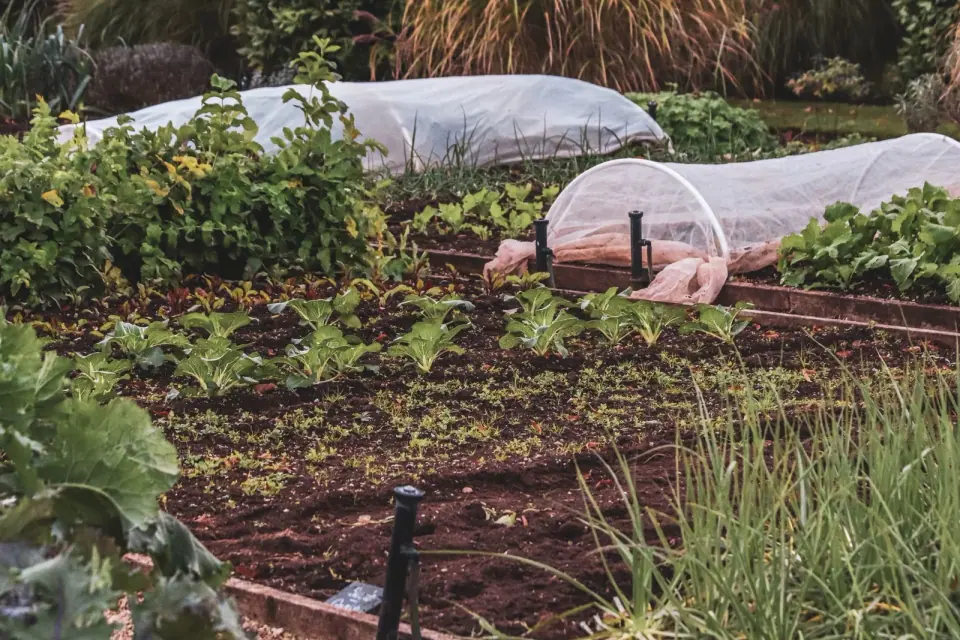
  • Licton Springs community garden: 0.3 mi
  • Mineral Springs Park: 0.5 mi
  • Evanston community garden: 0.6 mi
  • Greenwood Station community garden: 0.6 mi
  • Greenwood Park: 0.7 mi
  • Beaver Pond Natural Area on Thornton Creek: 0.8 mi
  • Maple Leaf Community Garden: 0.8 mi

Ready for more? Browse our full guide to parks in Seattle and plan your next outing.