How many trains run each day
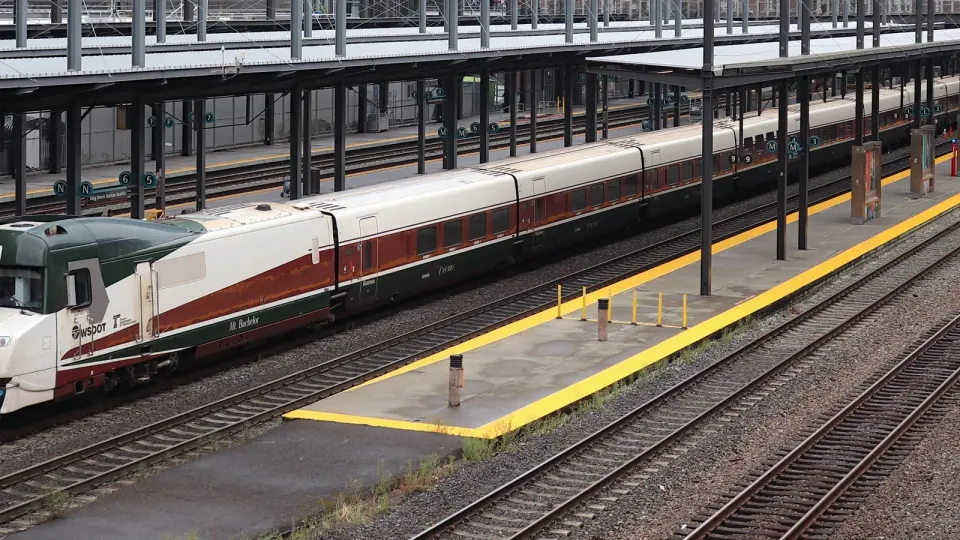
Settle in for a ride of about four hours, and plan your day around the timetable, since service between the two cities is limited. As of late 2023, two daily round trips connected Vancouver and Seattle, one turning around in Seattle and one continuing on to Portland. When a train does not reach Vancouver, Amtrak Thruway buses fill the gap. Timetables change, so confirm current departures on the official Amtrak Cascades schedule and booking page before you set out.
A quicker ride home with preclearance
The biggest recent change makes the trip home smoother. In June 2026, a customs inspection area with US border preclearance opened at Pacific Central Station in Vancouver, the first passenger rail preclearance facility in North America.
Southbound trains used to pause at Blaine, where US officers carried out a second inspection. Now you clear US customs before you board, which removes that stop and is expected to trim about 15 minutes from the ride south.
New trains on the line
Look out for new trainsets, which entered service on select Cascades trains on September 30, 2026. An expanded maintenance facility at the Seattle Yard opened in October 2026 to support the longer Airo trainsets. Check the Amtrak Cascades site to see which departures use the new equipment.
Leave room for delays
Because Cascades trains share freight tracks, delays can happen, and the line's on-time record has been uneven in some years. Give yourself a cushion if a dinner reservation or a connection is waiting for you in Vancouver.
Hit the Road North on I-5
If you would rather drive, take the most direct route, about 140 miles, up I-5 to Blaine, Washington. There the highway meets the border at the Peace Arch crossing, officially the Blaine and Douglas crossing, and carries on into Surrey as BC Highway 99.
What to expect at the border
Expect company: the Peace Arch is the third-busiest crossing on the entire US and Canada border, handling up to 4,800 cars a day, and waits can reach up to four hours. On the way south into the US, traffic lights with countdown timers tell you when the line will move, so you can switch off the engine while you wait.
You pass through modern facilities on both sides. Canada's border station was rebuilt and reopened in 2009 with ten lanes, up from seven, and the replacement US facility opened in 2010.
Trucks use a different crossing
Commercial trucks are not allowed at the Peace Arch. They head to the Pacific Highway crossing about a mile to the east, which keeps the Peace Arch lanes for passenger cars.
Stretch your legs at Peace Arch Park
Between the two border stations lies Peace Arch Park, home to the arch built in 1921. Thanks to a long-standing treaty arrangement, you can wander across the border freely as long as you stay inside the park. Pull in for a pleasant break on your road trip, and picture the 2010 Winter Olympics, when this was the one place the torch left Canada, crossing to the US side of the park.
Train or Car: Pick Your Journey
Each option suits a different kind of traveler. Here is how they compare:
- Pick the train if you want to skip the drive, avoid unpredictable border lines at the Peace Arch, and arrive near central Vancouver without worrying about parking.
- Pick the car if you need flexible timing, want to make stops along the way, or plan to explore beyond the city once you cross.
- Either way, build in extra time. Train schedules are limited, and road waits at the border can be long.
Tips Before You Cross
Pack the right documents
Canada's border agency recommends that U.S. citizens travel with a valid passport, though it also accepts other proof of identity and citizenship, including a U.S. enhanced driver's license. Visitors from other countries have separate requirements. Check the Canada Border Services Agency travel documents page before you go, and make sure you also carry what you need to return to the United States.
Mind the clocks
British Columbia no longer turns its clocks back in the fall the way Washington does, so during fall and winter BC runs an hour ahead of Seattle. Double check your departure time so you do not miss a southbound train.
Read the rider's guide
Before you pack, look through the Amtrak Cascades rider's guide on the Amtrak Cascades website. It covers travel to and from Canada, baggage rules, bringing a bike, traveling with pets and children, seating and accessibility, all worth knowing since cross-border rules are stricter than on domestic trips.
Make Seattle part of the trip
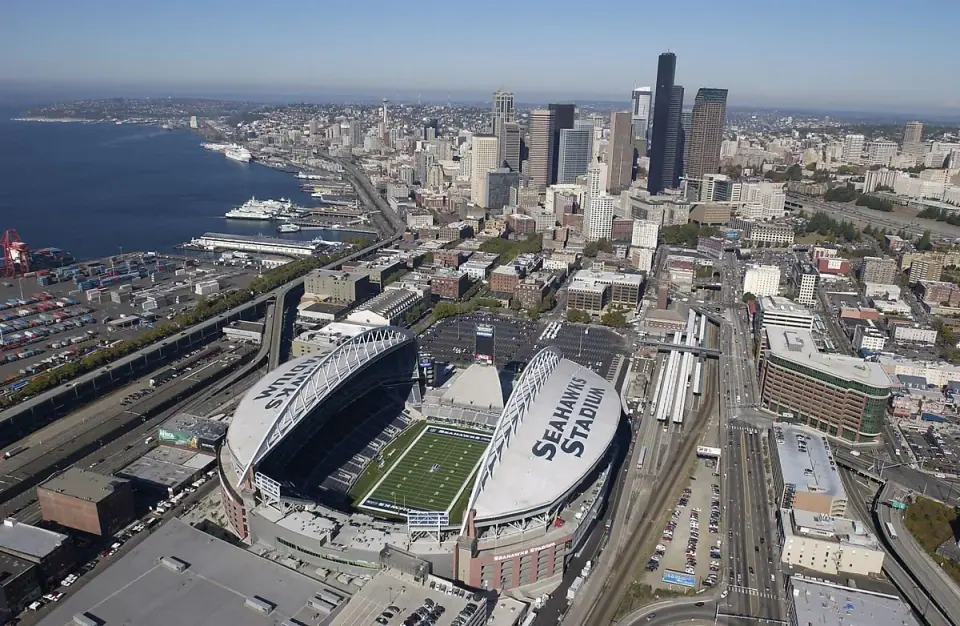
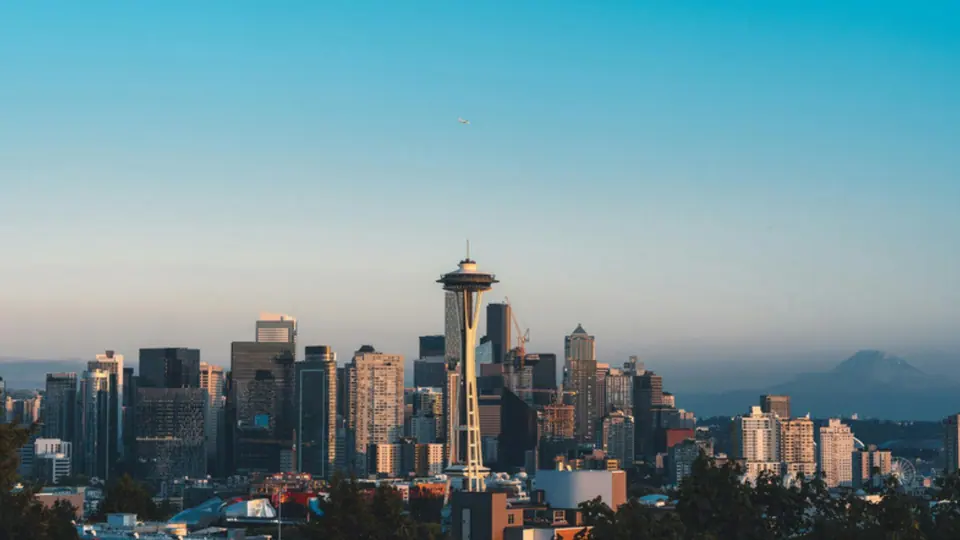
Plenty of travelers spend a day or two in Seattle before heading north. Browse our guide to things to do in Seattle, explore the Seattle neighborhoods near King Street Station, or visit some of the city's best-known Seattle landmarks before you board.