Getting onto the hill
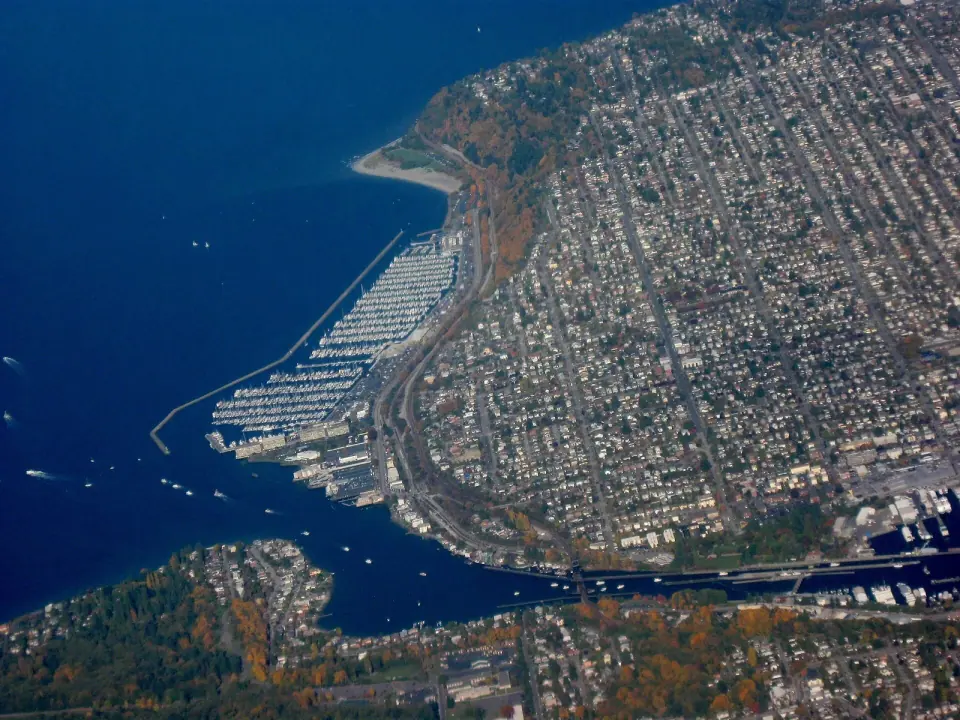
Railroad tracks run along Magnolia's eastern edge, which gives the whole hill its set-apart feel. Cross on one of three road bridges: W. Emerson Street to the north, W. Dravus Street in the middle, or W. Garfield Street, known as the Magnolia Bridge, to the south. Plan your drive around those crossings, because there is no other way in by car.
Magnolia Park and Its Misnamed Bluff
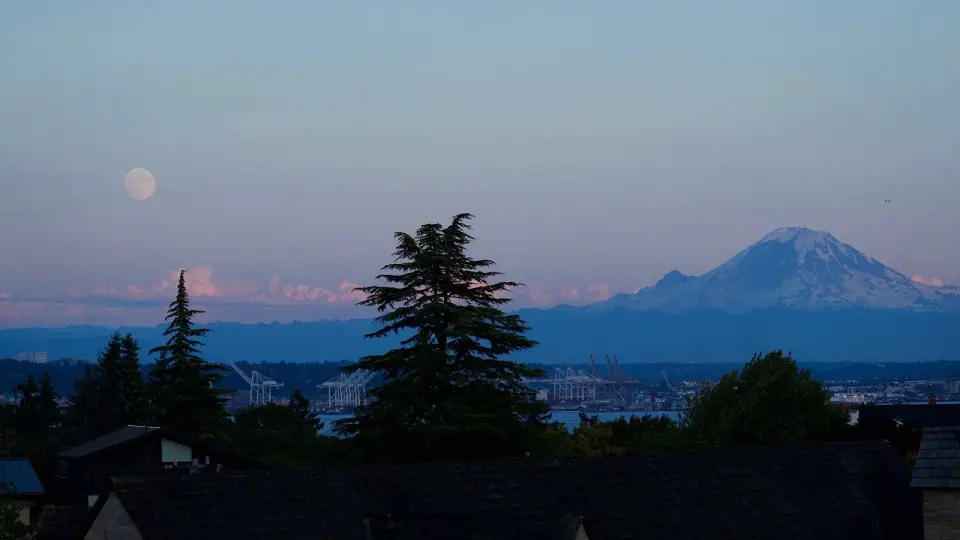
Start at Magnolia Park, the neighborhood's best-known outdoor space, a 12.1-acre city park at 1461 Magnolia Blvd W perched at the south end of the peninsula. Gaze out over Puget Sound toward Mount Rainier, then turn back for the city skyline. Spread out in the picnic area, or cross the street to the tennis courts.
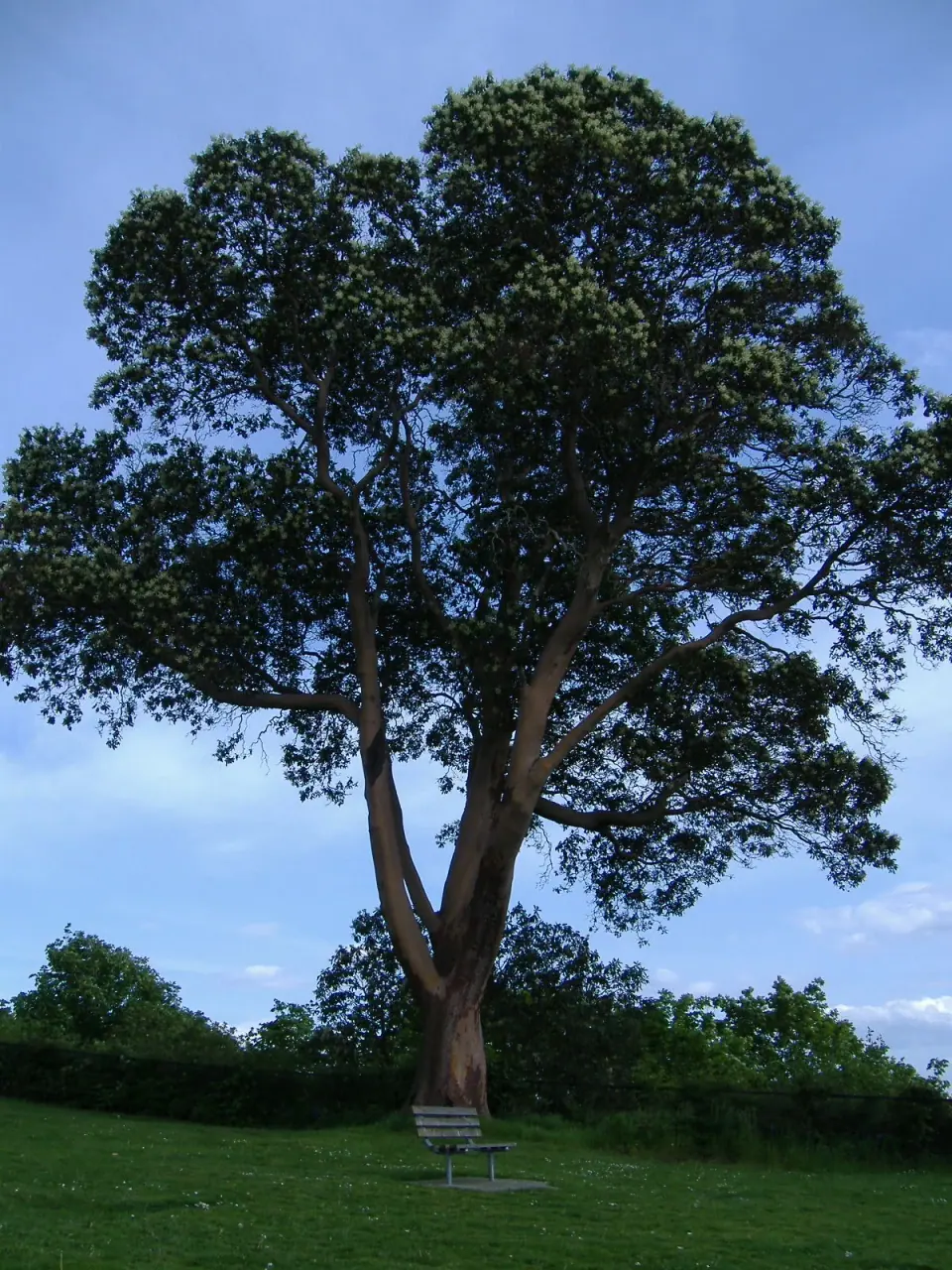
The name itself comes from a mistake. In 1856, Captain George Davidson of the U.S. Coast Survey reportedly saw the many madrona trees on the bluff and took them for magnolias, and the label stuck to the whole peninsula. Local groups now work to protect the madronas that remain, so watch for their peeling red bark as you stroll.
Find the real magnolias nearby
To see the genuine trees, head to W. McGraw Street in the Magnolia business district, where magnolias line the road. Locals call this commercial strip the Village, and it holds specialty stores, professional offices and restaurants. On summer Saturdays a farmers market sets up here too, so check current dates with the market before you go.
The Landmark Magnolia Branch Library
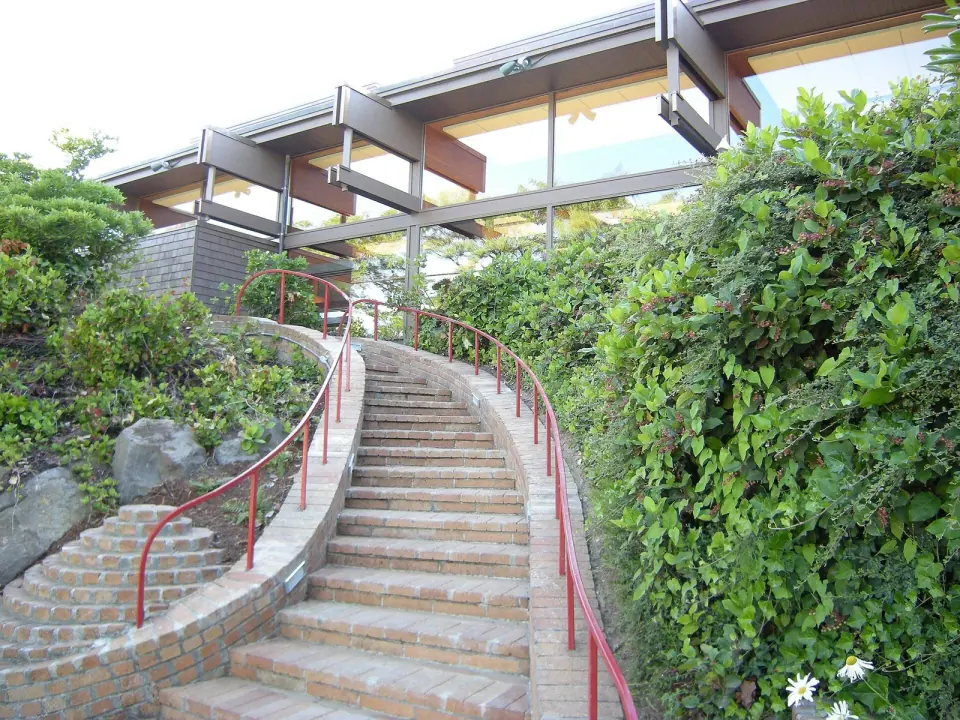
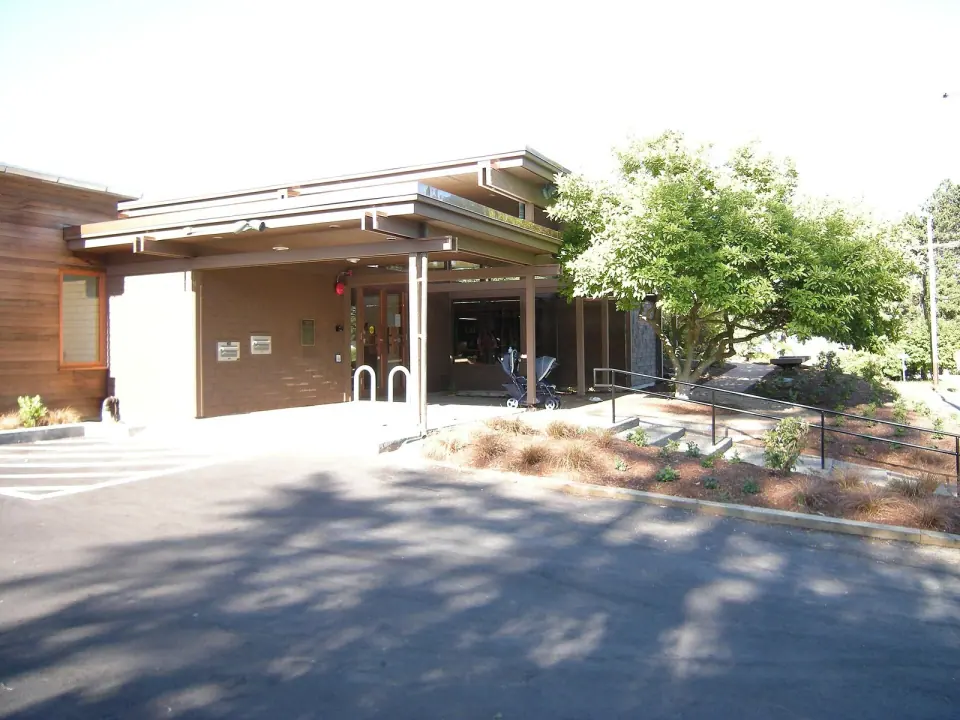
Make time for the Magnolia Branch of The Seattle Public Library at 2801 34th Ave W, close to Magnolia Playfield. It opened on July 1, 1964, and the City of Seattle designated it an official landmark in 2003. Learn more about that designation on our Magnolia Library landmark page.
Architects Paul Hayden Kirk and Richard Haag designed the building, and their work earned top design honors from the American Library Association. Step inside even if you have no book to borrow, because the building is worth seeing on its own.
Art and furniture to spot
- Girl Holding Doves, a statue by Ebba Rapp McLauchlan, waiting in the children's section.
- Activity of Thought, an abstract bronze wall sculpture by Glenn Alps, made specifically for this library and mounted outside.
- Solid walnut tables and chairs custom designed by the renowned woodworker George Nakashima.
Library hours change from time to time, so confirm them with The Seattle Public Library before you set out.
More Corners of Briarcliff
City records list several smaller public places in the area, including the 32nd Ave W Boat Launch and Arapahoe Triangle. Planning to bring a craft? Check with Seattle Parks and Recreation first for launch conditions and access rules. For green spaces all over town, browse our Seattle parks guide.
Discovery Park next door
Just north of Briarcliff, Discovery Park spreads across 534 acres as Seattle's largest park, on the site of the former U.S. Army post of Fort Lawton. Follow seven miles of trails for views of Puget Sound and the Olympic Mountains, then take the paths down to about two miles of beach and the West Point Lighthouse. Built in 1881, it is the oldest lighthouse in the area.
Plan Your Half Day
A simple half day suits this corner of the city. Begin with the view from Magnolia Park, walk or drive to the library for the art and Nakashima furniture, and finish with lunch in the Village. If you have the time and energy for longer trails, add Discovery Park.
Ready to explore further? Dip into our Seattle neighborhoods guide and our roundup of things to do in Seattle.