Top Things to Do at Paradise
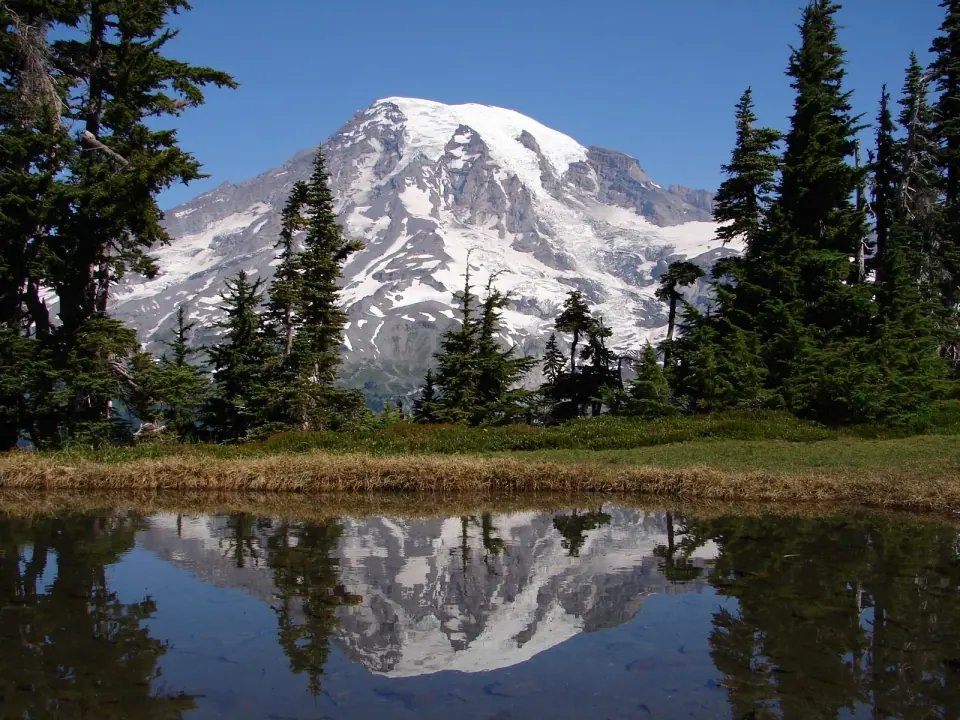
Step out of the car at Paradise and you will see right away why it is the park's busiest destination. Perched at about 5,400 feet on the mountain's south flank and surrounded by subalpine meadows, it makes the summit feel startlingly close.
Meadow Trails and Glacier Views
Wander the web of trails that loops through the meadows, pausing at overlooks that face the Nisqually Glacier, which feeds the river of the same name. In summer the slopes fill with wildflowers, the main draw for many day visitors. Climbers bound for the summit also start from these trailheads, so you may share the path with roped teams carrying heavy packs.
Mount Rainier draws around 10,000 summit attempts a year, and only about half reach the top. Watching climbers set out is part of the Paradise atmosphere, even if your own goal is a gentle meadow loop.
Winter at Paradise
Come in the colder months and you will find one of the snowiest places in the country, which recorded a world record 93.5 feet of snow during the winter of 1971 to 1972. Join a ranger-led snowshoe walk from the Jackson Visitor Center, where interactive exhibits and films explain the mountain's story.
Winter access has shifted in recent years because of staffing, and the road beyond Longmire can close for weather. Always check the Paradise road status with the park before you leave Seattle.
Longmire: History on the Way Up
Longmire is the first developed area you reach on the drive toward Paradise, and it rewards a real stop rather than a quick pass. Browse the small museum, look in on the year-round National Park Inn, and follow trails to meadows, mountain views and the remains of early homesteads.
The whole park was named a National Historic Landmark in 1997, an honor that recognizes its rustic National Park Service architecture from the 1920s and 1930s, with the Paradise Inn as a standout example. Pair Longmire with Paradise and you get a good look at that heritage in a single drive.
Sunrise and the Northeast Side
For a completely different angle on the mountain, head to Sunrise, the highest point in the park you can reach by car and a name that hints at its best hour. The landscape is high, open and rocky, a favorite haunt of marmots, the large furry rodents known for their sharp whistle.
Plan this side for the warm months, since the Sunrise Visitor Center operates only in summer. Tipsoo Lake makes another scenic stop reached from the White River Entrance. Timed entry reservations have applied to the Sunrise corridor in recent summers, so confirm current rules before you go.
Quieter Corners of the Park
Ohanapecosh and Carbon River and Mowich are more secluded, known for popular trails, calm lakes and fewer people. On the Carbon River side, walk among old-growth forest, part of about 91,000 acres the park protects overall. Up on the north side, Carbon Glacier is the largest glacier by volume in the contiguous United States.
Reaching these areas takes extra planning. A November 2006 storm dropped 18 inches of rain in 36 hours, and washouts have kept Carbon River Road closed to vehicles ever since. In 2025 the Mowich entrance was closed after the state stopped traffic on the Fairfax Bridge on State Route 165, so check the park's alerts before aiming for this area.
Longer Hikes
Serious hikers know the Wonderland Trail, which circles the entire mountain. Snow Lake is a popular pick for day hikers and also has backcountry camping options. On the south side, Reflection Lakes and several waterfalls sit within reach of the Nisqually Entrance.
Beat the Crowds and the Entrance Lines
About 70 percent of the park's yearly visitors, roughly 1.6 million people, arrive between July and September. Parking is tight in many areas, and on the busiest summer weekends and holidays the wait at the Nisqually and White River Entrances can top an hour.
A few simple habits make a real difference:
- Go mid-week. Summer weekdays are generally less crowded.
- Time your arrival. Enter before 10 a.m. or after 2:30 p.m. to avoid delays on heavy days.
- Check reservations. Timed entry rules have changed from year to year. In 2025, Paradise was first come, first served, while Sunrise required reservations during peak periods.
- Look before you leave. The park posts live webcams and weather, since clouds often hide the summit.
Before you set out, visit the National Park Service's official Mount Rainier trip planning page for fees, road status, alerts and trail maps. Download the maps before you lose cell signal.
Fees and Free Days
Bring a card, since the park uses cashless fee collection. Recently published rates were $30 for a single-day pass, $55 for a Mount Rainier annual pass, and $80 for the interagency annual pass covering national parks and other federal lands. Fees can change, so confirm them with the park.
The Park Service also sets several fee-free days each year. Recent schedules have included Memorial Day, Independence Day weekend and Veterans Day, so check the Park Service list for current dates and expect bigger crowds on those days.
Wildlife and Wildflowers
The park's elevation spans more than 12,000 feet, enough to support over 960 vascular plant species. That range explains why the meadows look so different from the lowland forests below.
Keep an eye out for black bear, elk, deer, mountain goat, cougar, bobcat, red fox, pika and the ever-present marmot. Give all wildlife plenty of space, and never feed the animals.
A Little Background Before You Go
The park predates the National Park Service itself: President William McKinley signed the law creating it on March 2, 1899, making it the first national park carved from a national forest. John Muir, who reached the summit in 1888, helped lead the campaign to protect it.
The mountain's Lushootseed name is Tacoma, the same as the nearby city. Archaeological finds show people hunted and gathered here for thousands of years, and the Nisqually, Puyallup, Muckleshoot, Yakama and Taidnapam peoples are tied to the area. Today 97 percent of the park is federally designated wilderness.
Staying Safe on the Mountain
Rainier is a closely monitored active volcano, and its weather turns quickly. The park warns that the mountain can be extremely dangerous for unprepared visitors, so read up on geohazards, hiking safety, wildlife and winter conditions before you set out.
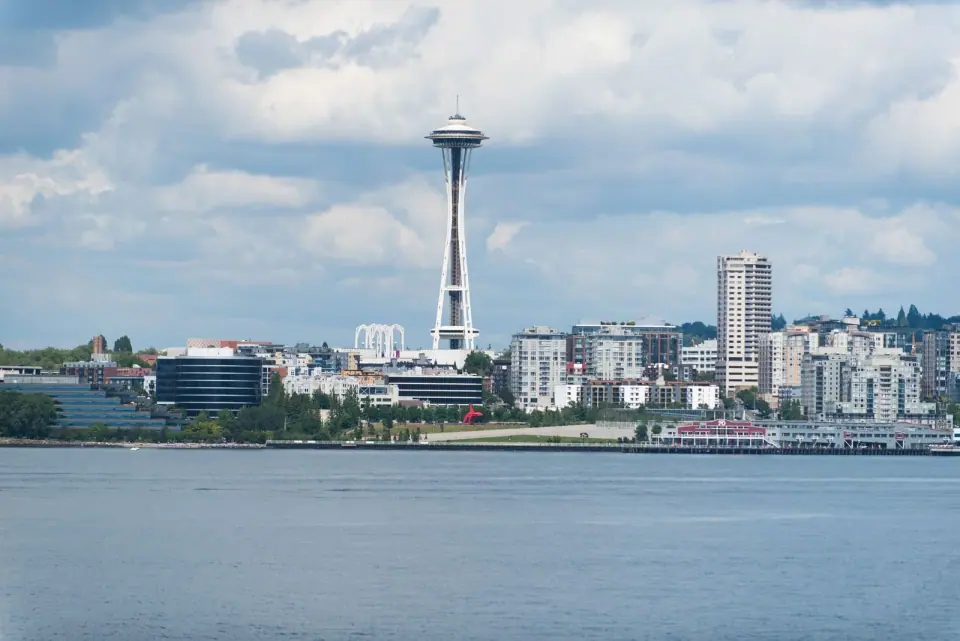
Back in the city after a long day? Browse more things to do in Seattle, find a gentler walk among Seattle parks, or explore the city's own Seattle landmarks.