Two sets of local law shape what you find. The Land Use Code rules arrived in January 2018, and the City License Code rules followed on January 1, 2019, and together they decide where a rental can operate, who can run one and how each listing must be labeled.
Some places to stay sit outside these rules entirely. Monthly or longer rentals, traditional bed and breakfasts, hotels and motels are handled separately, so everything below applies only to stays shorter than a month.
Your Pre-Booking Checklist
Spot the license number
Start your search by scanning each listing for its license number. Seattle requires every operator license to appear on each listing for the unit, on every platform where it is advertised, and the number follows a fixed pattern such as STR-OPLI-21-000123. Platforms may pull listings that show the number in the wrong format, so a clean, correctly formatted number is a reassuring sign that your host has done the paperwork.
Know which spaces are off limits
You can book rentals in most buildings set up as dwelling units. Spaces that are not dwellings are excluded, which rules out RVs, tents, garages and boats, along with floating homes, waterfront residences and other spots where the Shoreline Code bans lodging.
A few less obvious categories are excluded too. Caretaker's quarters inside commercial or industrial buildings cannot be rented short term, and neither can live-work units. If a charming houseboat listing catches your eye in Seattle, pause and ask questions before you book.
See how many units a host can offer
The city caps how many units a single operator may run. In most cases that means two: the host's own primary residence plus one secondary unit where they do not live. An operator can be one person, a married couple, a group or a company such as an LLC.
That primary unit might be a backyard cottage, an attached accessory unit or an in-law apartment within a larger home. Rooms without their own kitchen and bathroom do not count toward the limit, so a host renting three bedrooms in their house covers all of them under one primary residence license.
Where to Find Your Stay
Browse the big booking platforms
Head to platforms like Airbnb, Vrbo and Expedia, where most Seattle rentals are listed. These companies carry their own obligations to the city, and each month they report every licensed operator they list, along with the unit and its listing URL.
Every quarter, platforms also report how many operators they host and how many nights were booked. They then pay the city a licensing fee of $4.00 for each night a guest stays. That fee is charged to the platform, and how it shows up in your total can vary, so check the price breakdown before you confirm.
Choose your part of town
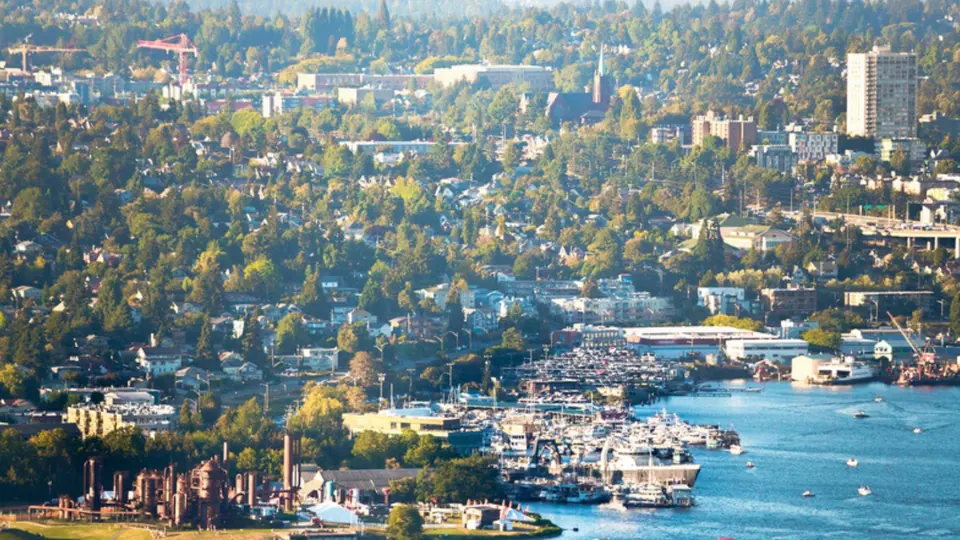
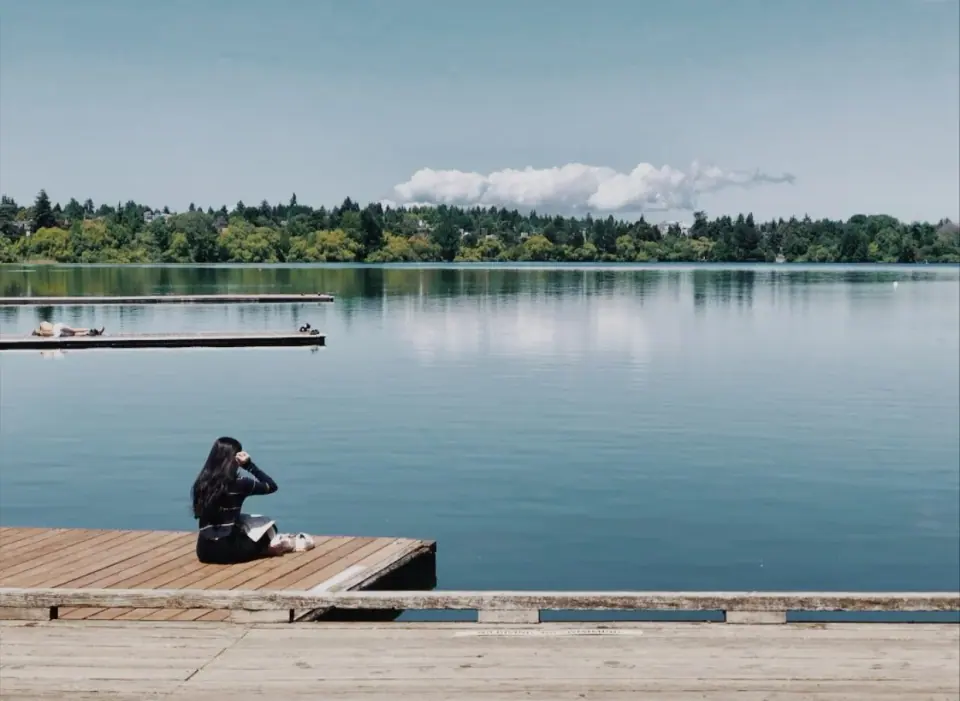
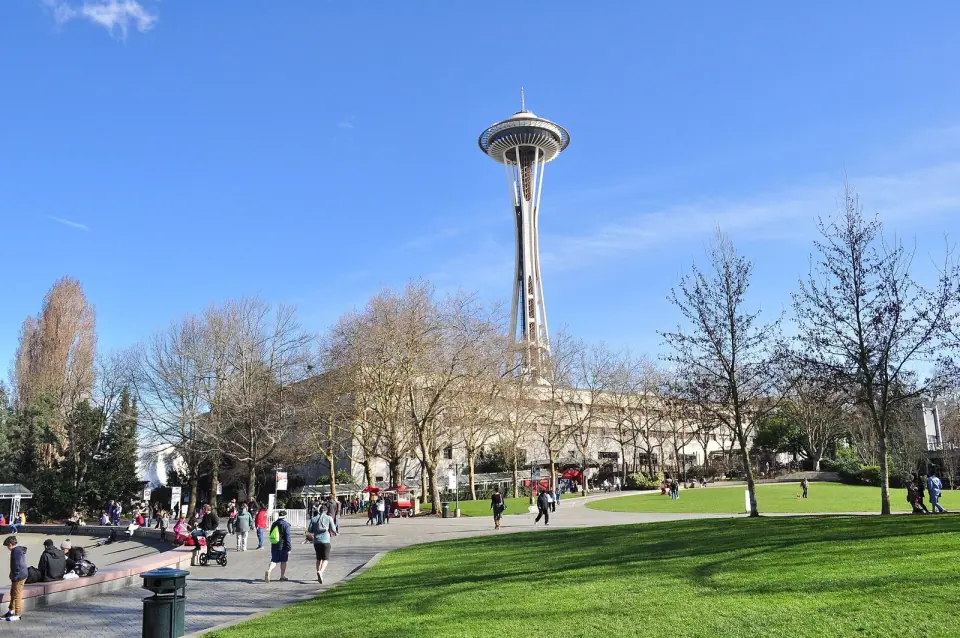
Because a host's secondary unit may sit anywhere in the city, you will find rentals spread across many districts. Begin with our guide to Seattle neighborhoods to match a location to your plans. Then cross-check it against our roundup of things to do in Seattle, and browse our picks for Seattle parks if you want green space within walking distance of your door.
What Seattle Hosts Need
The two city licenses
Welcoming guests legally takes two city credentials: a business license tax certificate and a regulatory license for short-term rentals. Start with the business license, then allow 48 hours before applying for the regulatory license.
Any unit that is not your own home, such as a second house, a condo or a separate basement apartment, must first be registered with the Rental Registration and Inspection Ordinance program, and you will enter that registration number when you add the unit. The regulatory license costs $75 per unit and must be renewed every year, though fees can change, so confirm the current amount on the city's short-term rental licensing page.
Submit your application through the Seattle Services Portal. Paper applications are accepted but take longer, and the city asks hosts to contact customer service before mailing one. Keep in mind that married couples may hold only one operator license between them.
State rules and other codes
Local licensing is only part of the picture. The Washington State Department of Health may require a transient accommodation license, the state Department of Revenue collects certain taxes on these rentals, and hosts must also meet the parking, noise, housing and building maintenance codes that apply to their property.
Plan on state and county health rules if you serve food to guests. Bed and breakfast operators follow a separate license track that includes the state transient accommodation license and city zoning standards.
Renewals and legacy units
Your operator license is valid for 12 months from the day it was issued. Renewal reminders go to the email on file, you renew through the same portal, and letting the license lapse while still hosting can lead to enforcement.
Hosts who were legally renting before September 30, 2017 may qualify for legacy status. To claim it, upload a rental registry showing the unit was rented in the 12 months before that date, and a spreadsheet, document or screenshots of booked dates can all work.
Fines for code violations
The Seattle Department of Construction and Inspections enforces the land use and housing side of these rules. If a host gets a violation notice and does not fix it promptly, fines can run from $150 to $500 per day, plus inspection charges. Read the full zoning rules on the department's short-term rental code page.