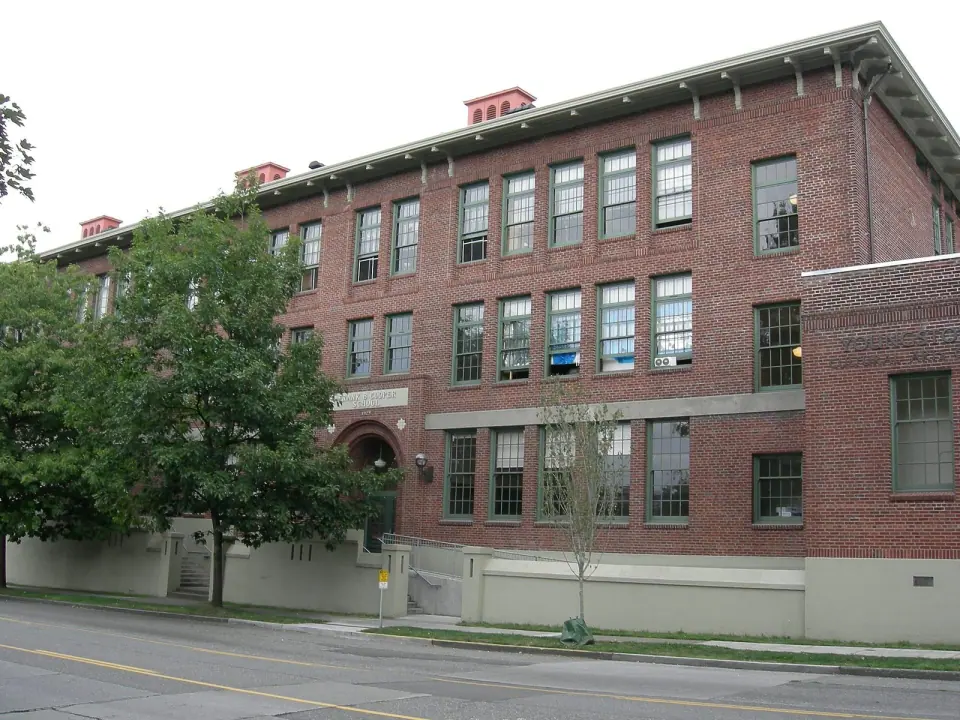
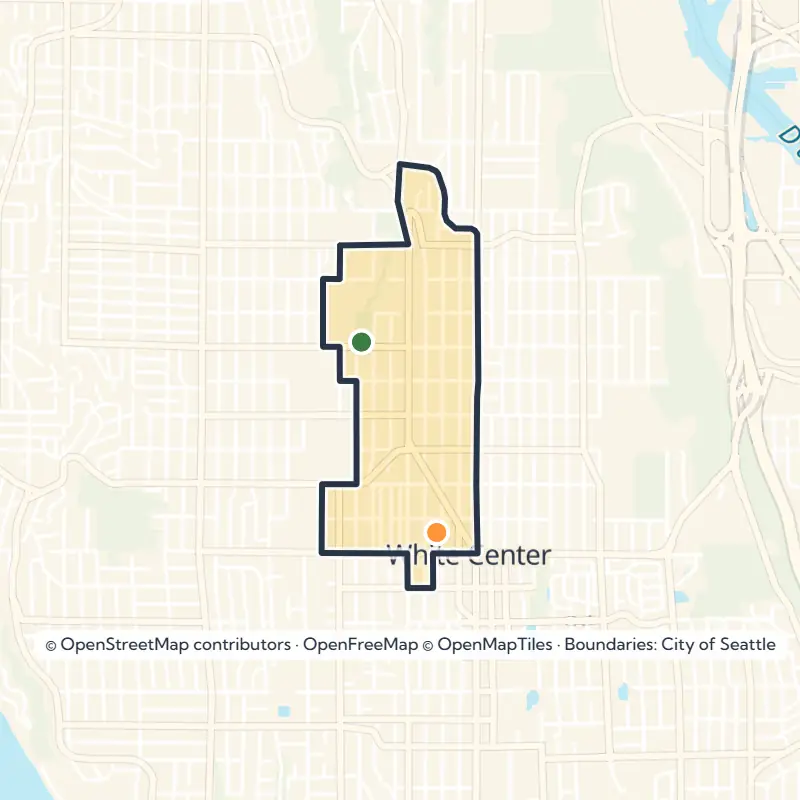
That mix is exactly why you come. Expect working warehouses beside old houses and the sound of trains drifting past a pub or a gallery, a world away from the polished blocks closer to downtown.
Exploring Georgetown Today
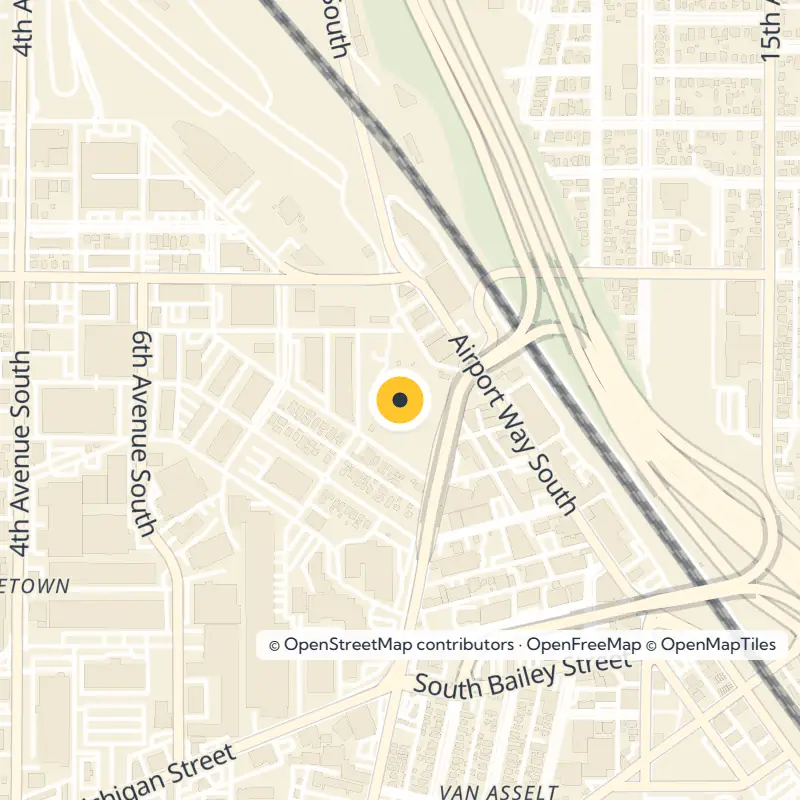
Head first to the commercial strip along Airport Way S, where most visits naturally center. Here the neighborhood's industrial bones are easiest to see, and the places to eat, drink and browse cluster close together.
The Old Brewery on Airport Way S
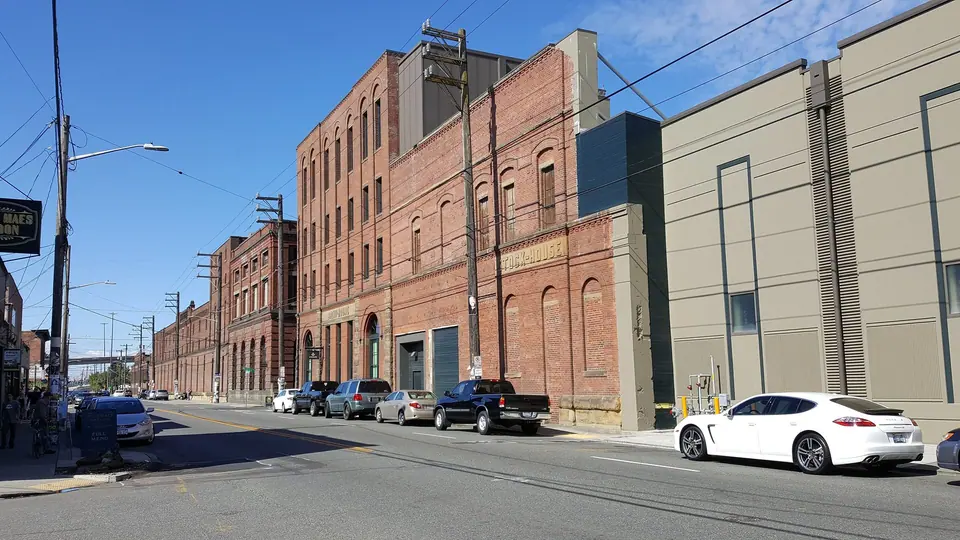
Look up at the large red brick brewery complex that dominates the business district. It was once home to the Seattle Brewery and its Rainier brand, reopening and growing after Prohibition ended, and today artists and small businesses fill its buildings.
Keep an eye out for a second, older Georgetown brewery building, which spent its later years as a warehouse and cold storage site. Seen together, the two show how central beer was to this corner of the city for decades.
Bars, Coffee and a Circus School
Georgetown has been building a creative scene since the 1990s, and new bars and coffeehouses have kept opening ever since. Several microbreweries with their own pubs have arrived in recent years, a fitting return for a former beer capital, so plan to linger over a pint.
Browse beyond the taps, too. The neighborhood has drawn a record store, a bakery, a barber shop, an art gallery with a recording studio, and a circus school called SANCA, and many of them fill open, brick-walled rooms left over from manufacturing, dressed up with local art and vintage finds. Hours and offerings change, so check with each business directly before you go.
Landmarks to Seek Out
For its size, Georgetown packs in a surprising number of official landmarks. City of Seattle records list nine notable places in the area, ranging from parks to historic civic buildings.
Georgetown Steam Plant
Start with the steam plant, built in 1906 to bring electricity to Georgetown. It also powered Seattle's streetcars and the interurban line running between Seattle and Tacoma, and it is now listed on the National Register of Historic Places, with a related pump station sitting on the Duwamish.
Old Georgetown City Hall
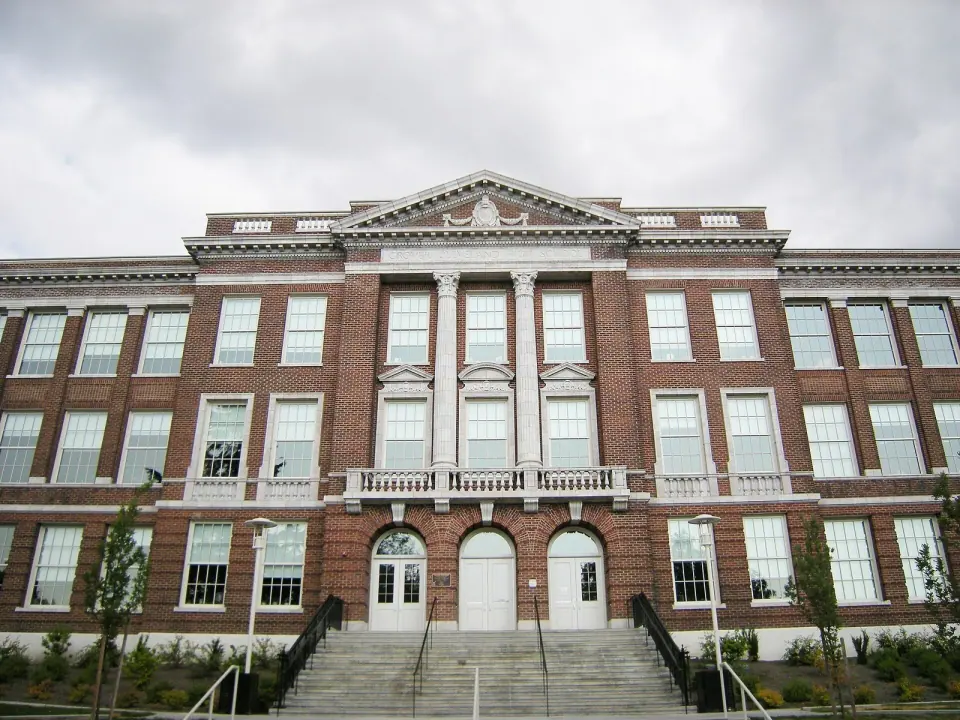
Stop next at this 1909 building, which dates from the brief years when Georgetown governed itself. It also served as Fire Station #27 and shares National Register status with the steam plant, giving you a tangible reminder that Georgetown was once its own city.
Hat 'n Boots at Oxbow Park
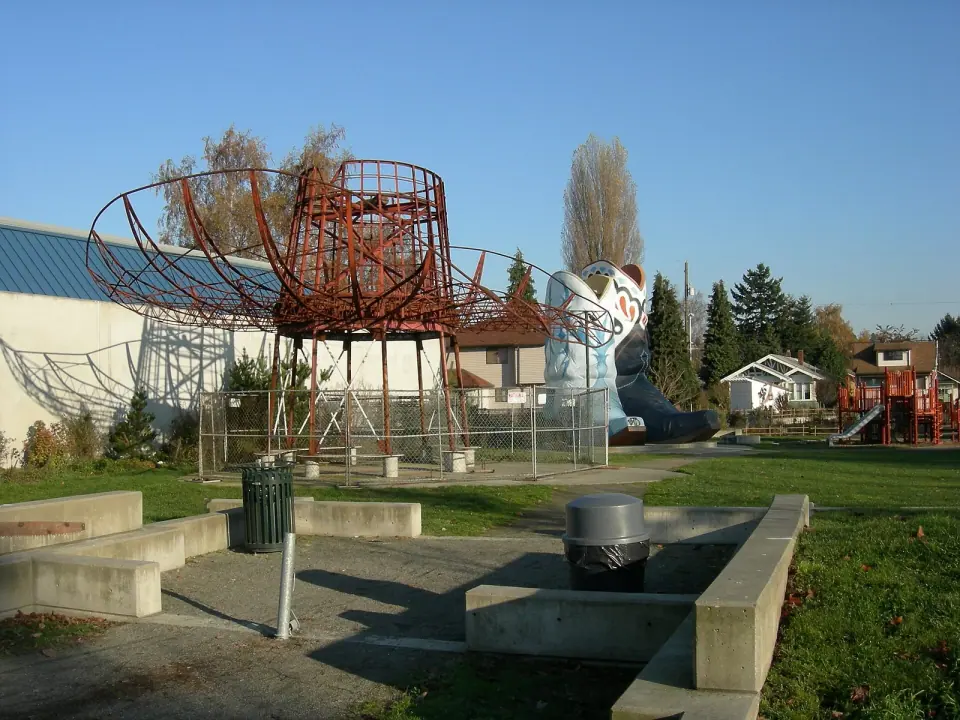
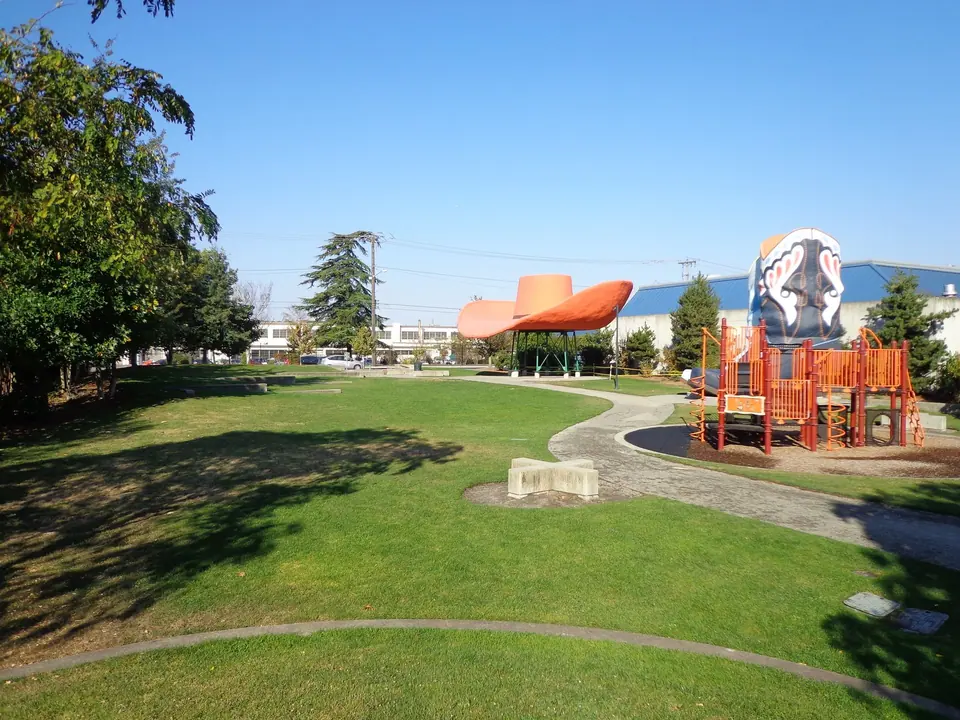
Don't leave without seeing the giant Hat 'n Boots, a classic roadside attraction that was moved to Oxbow Park, the small public park that now displays the Hat 'n Boots. It is the neighborhood's most photographed sight and an easy, fun stop for families.
More on the List
City records also include the Woodin House and Georgetown Flume Park. Note both as you wander between the bigger landmarks.
Green Space Among the Warehouses
The parks here are modest, but they matter in a district shaped by freight and factories. Two spots stand out for visitors and residents alike.
Georgetown Playfield
Run by Seattle Parks and Recreation, Georgetown Playfield at 750 S Homer St sits among several of the neighborhood's best-known landmark buildings. Use it as a base for a walking loop past the historic sites.
Oxbow Park P-Patch
Right next to the Hat 'n Boots, the Oxbow Park P-Patch community garden holds 23 plots at Corson Ave S and S Eddy St. It joined Seattle's P-Patch program when it was founded in 2004, and a stroll past the beds shows you the neighborhood's residential side.
The Story of Seattle's Oldest Neighborhood
Georgetown has a fair claim to being the oldest neighborhood in Seattle, and knowing its story makes a walk here richer. That story runs from river farms to a beer boom, a short life as an independent city, decline and revival.
Farms Before Downtown
Luther Collins, Henry Van Asselt and the Maple family arrived on September 27, 1851, to farm the fertile Duwamish delta, two days after the Denny Party landed at Alki Point. Within a year the Collins group had built permanent structures and a working farm community, while the Denny Party struggled before moving to what became downtown in 1852.
Developer Julius Horton bought part of the Collins homestead in 1871 and began laying out lots, and in 1890 he named the community Georgetown after his son.
Beer, Rail and a Six-Year City
Rail came in 1877 with a line to Renton's coal mines, and transcontinental service reached Georgetown by 1889. The flat land made it a natural spot for a rail yard, and breweries, lumber mills, brickyards and foundries followed, while hops from nearby valleys and many German immigrants helped turn it into the sixth-largest beer producing district in the world.
Georgetown incorporated as a city in 1904, partly to protect its saloons and breweries if Seattle went dry. Once Seattle rejected that idea, support for joining grew, and voters approved annexation 389 to 238 in March 1910, so the city of about 4,000 people became part of Seattle on April 4, 1910.
Decline and Comeback
Statewide Prohibition shut the breweries in 1914, though industry kept growing. The Duwamish was straightened by 1916, a river loop through central Georgetown was filled in for warehouses, and Boeing set up nearby, with its testing field becoming a public airport in 1928.
Heavy traffic, aging housing and severe air and noise pollution pushed residents away. The library closed in 1948, the movie theater in 1952 and the elementary school in 1971, and by the 1990s about 1,500 people lived in what remained, just before the cultural revival you can enjoy today began.
Planning Your Visit
Begin on Airport Way S to take in the old brewery and the bars and shops around it. Then walk on to the steam plant, the old city hall and the playfield, and finish at Oxbow Park with the Hat 'n Boots and the garden.
Come ready for an industrial setting, with trains, trucks and aircraft nearby. Access to historic buildings and business hours can change, so confirm details with Seattle Parks and Recreation or each venue before heading out.