Landmarks On and Near E Yesler Way
Douglass-Truth Library
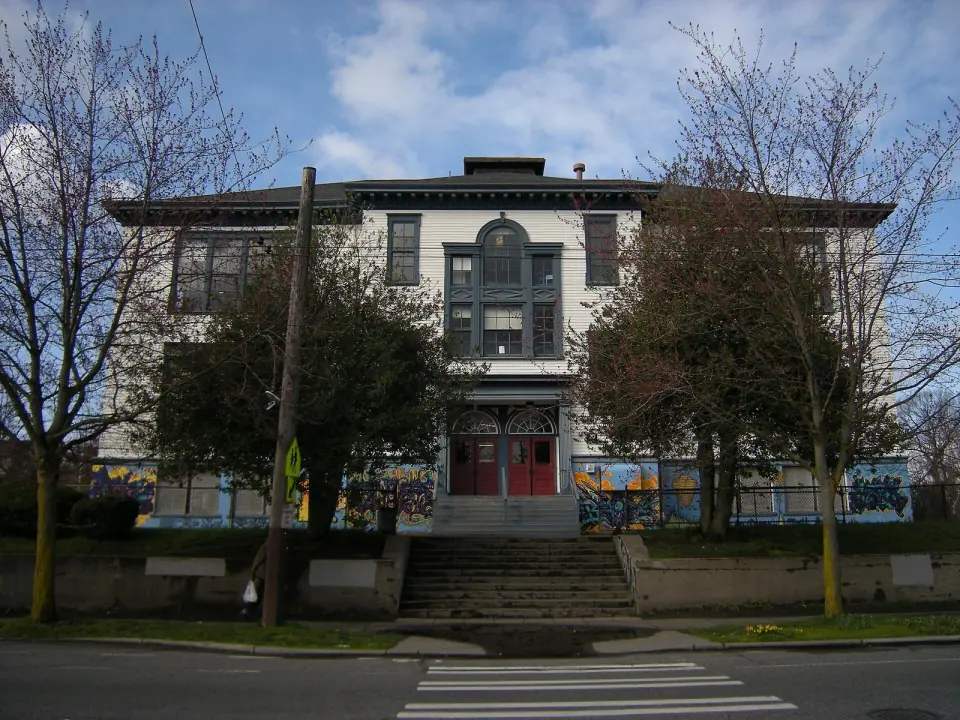
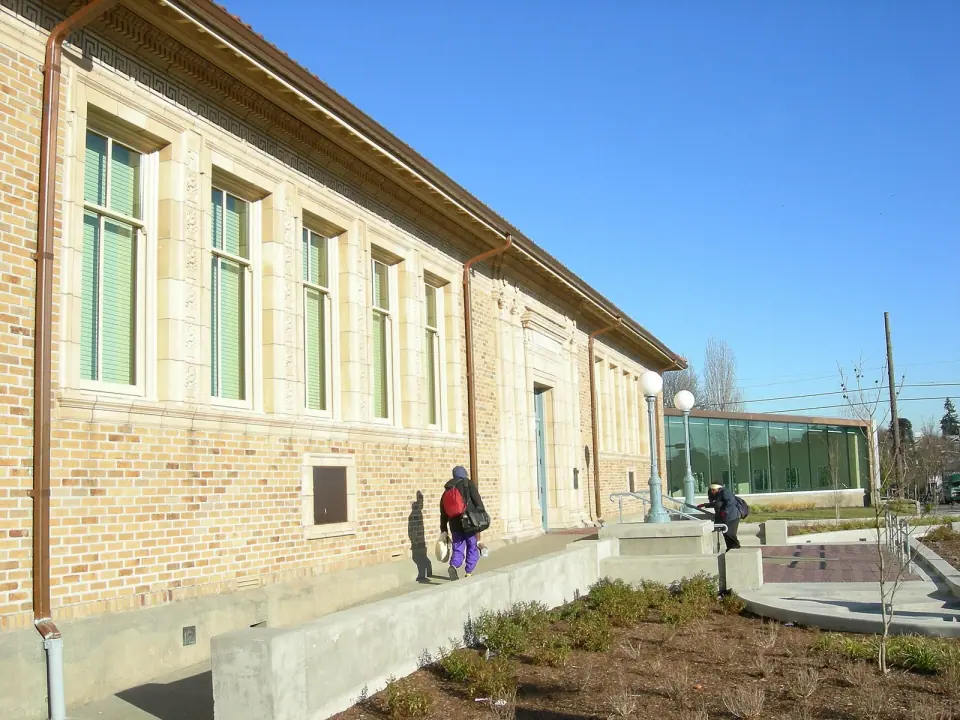
Begin your walk at the Douglass-Truth Library on E Yesler Way, found at 2300 E Yesler Way. Beyond its official landmark status from the City of Seattle, it still serves the community every day as the Douglass-Truth Branch of the public library. Hours and programs can change, so check the library's official site before you head over.
The library makes an ideal launch point, since several other designated landmarks and small parks lie close by. Trace a loop from its doors and you will take in much of what gives the neighborhood its character.
Historic Homes on 23rd Avenue
Stroll along the Central Area's main north to south street to see the Twenty-third Ave Houses Group, a collection of historic homes. Viewed together, they offer a feel for how this part of Seattle looked as a residential district. These are private houses, so admire them from the sidewalk.
Add the James W. Washington Jr. Home and Studio, another named historic site in the area, to your route. To keep exploring places like these across the city, browse our guide to Seattle landmarks.
Green Space on a Small Scale
Neighborhood Parks
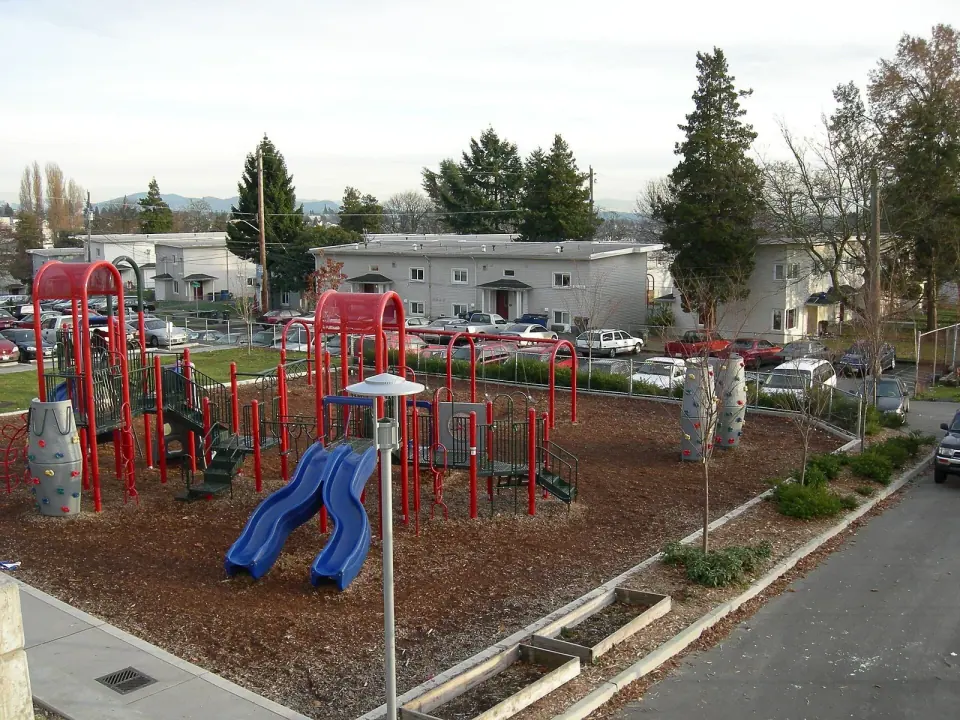
Mann's parks are modest in size and tucked right in among the streets of homes. Look for Plum Tree Park, Gerber Park and Homer Harris Park as you wander this part of the Central Area. When you want more room to stretch out, head to Garfield Playfield, one of the Central District's better-known parks.
For bigger green spaces elsewhere in the city, see our overview of Seattle parks.
Spring Street P-Patch
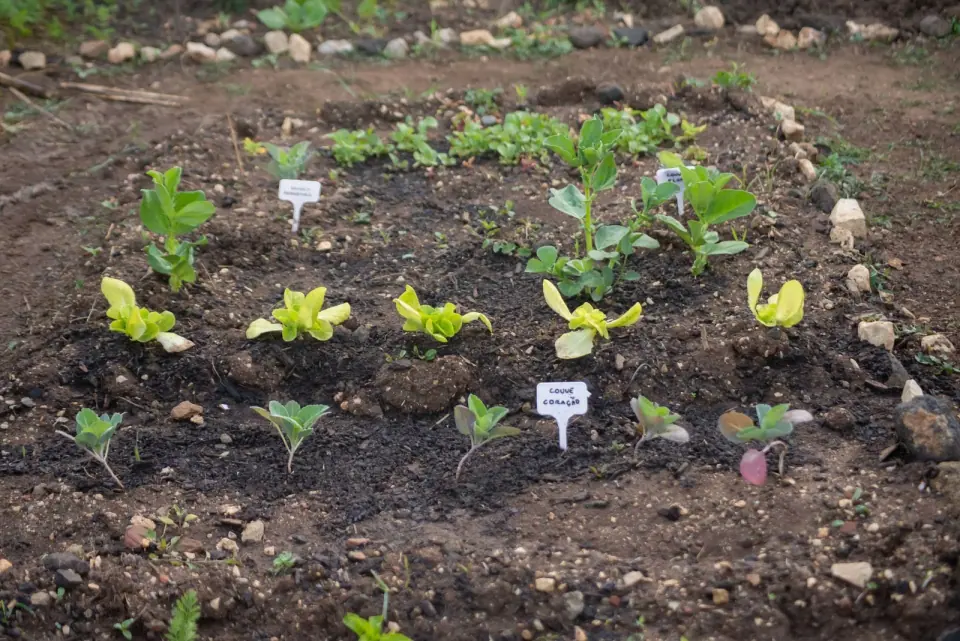
Stop by the Spring Street community garden, a compact P-Patch with just 13 plots at 1101 25th Ave, on the corner of E Spring St and 25th Ave. It became part of the city's community gardening program in 2009. Local gardeners tend every plot, so enjoy the beds without disturbing them.
The Story Behind the Central Area
As you walk, keep in mind the long, layered story of the wider district. In 1882 William Grose, already an established Seattle businessman, bought 12 acres from Henry Yesler, farmed part of the land and sold parcels to other Black families. Those sales helped establish the area as an African American community.
When the Madison Street Cable Car reached the area in 1889, more Black families followed. In the early 20th century the district also became a largely Jewish neighborhood, and later a home for many Japanese American families, until Executive Order 9066 led to the forced removal of Japanese American residents to internment camps during World War II.
Black residents arriving during and after the war, often to work in munitions plants, helped make the district the center of Seattle's Black community, and by 1970 they made up nearly 80 percent of the population. The neighborhood was also a focal point of Seattle's civil rights movement, including street protests in 1963.
Black History Sites in the Wider District
Extend your exploration elsewhere in the Central District, where the Northwest African American Museum and the site of the Liberty Bank Building, Seattle's first Black-owned bank, keep that history visible. Visit the William Grose Center for Cultural Innovation and Enterprise, which opened in 2022 in the former Fire Station 6, once home to Seattle's first Black firefighters. Jimi Hendrix, Quincy Jones and Ernestine Anderson are among the district's notable former residents.
Getting Around Mann
Ride King County Metro Route 48, the main north to south bus line, along 23rd Avenue, the Central Area's main street. For east to west trips, E Yesler Way, E Jefferson and E Cherry are your handiest streets.
Catch the RapidRide G Line, launched in September 2024, at the north end of the district along Madison Street. Link light rail's 2 Line stops at Judkins Park Station in the southern Central District. Check King County Metro and Sound Transit for current schedules before you set out.