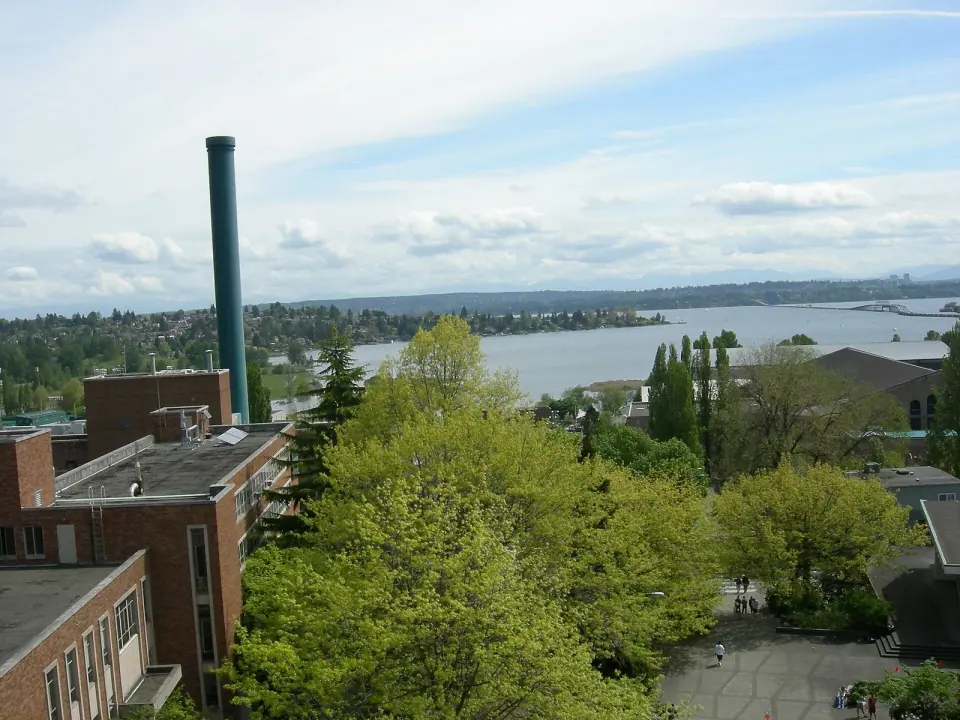
State Route 520 crosses the northern tip of the neighborhood and cuts four blocks off from the rest of Montlake. That split still shapes local debates today.
The Montlake Cut and Its Bridge
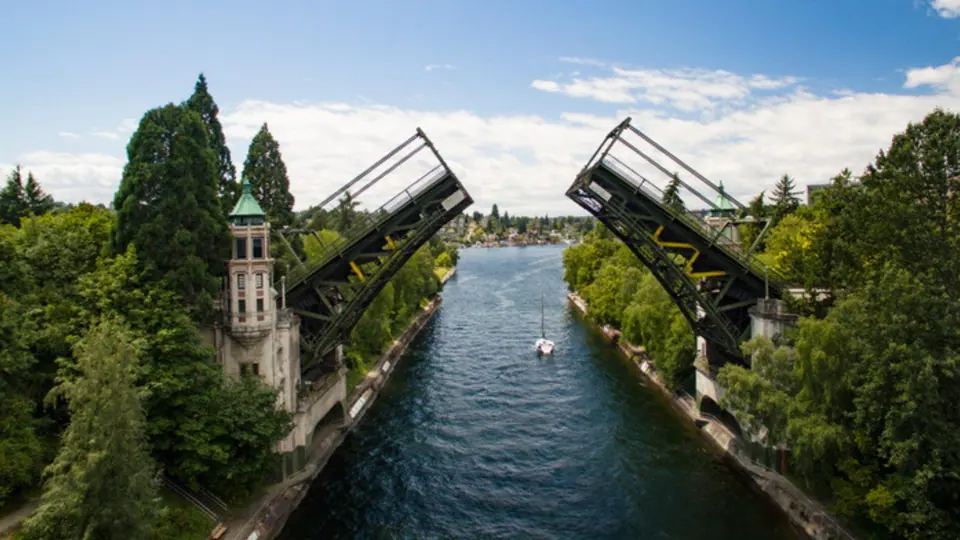
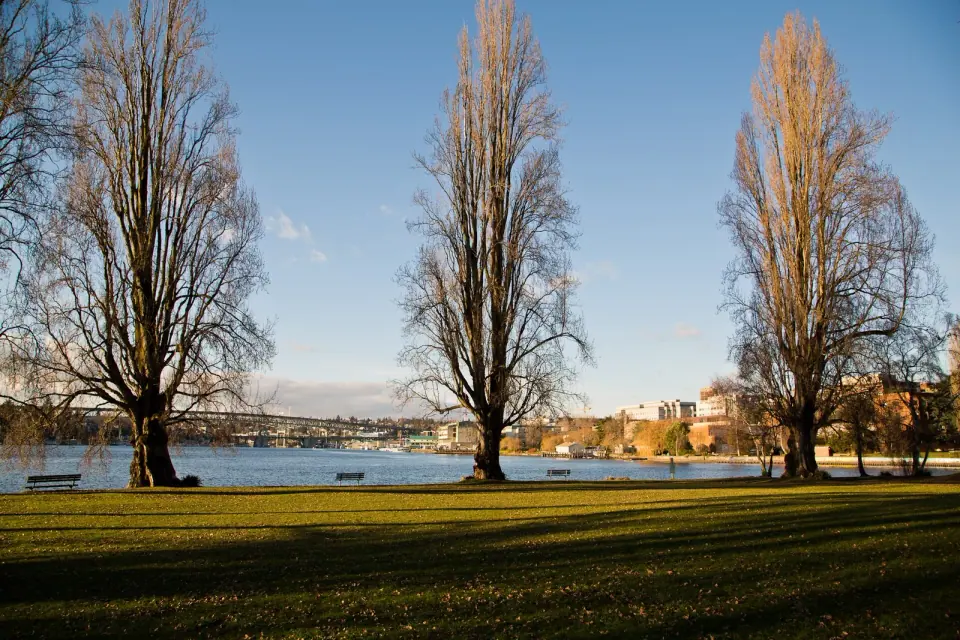
The Cut is the reason many visitors come, and it is easy to see why. This channel links Lake Washington with Lake Union, and when it opened in 1916 it was known as the New Portage Canal. It also fixed the neighborhood's northern edge for good.
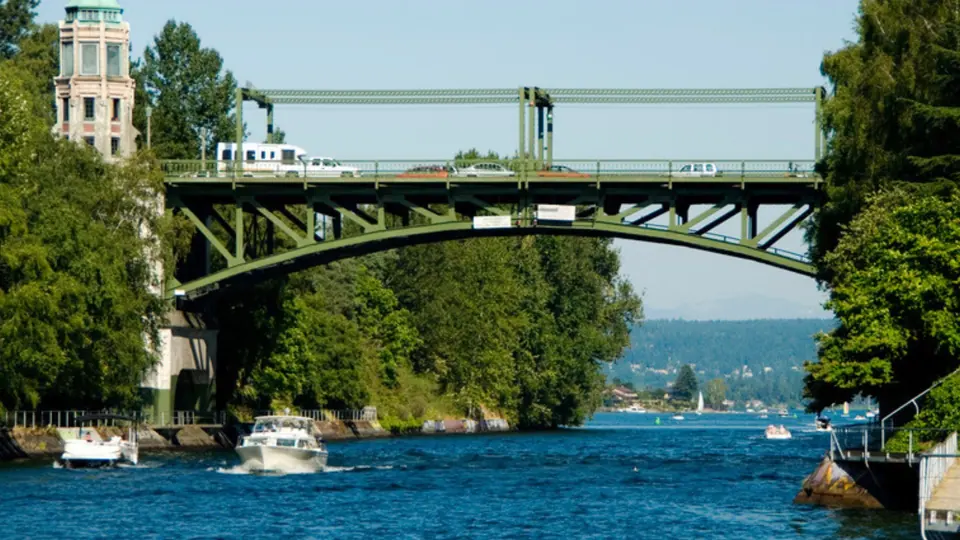
Arching over the water is the Montlake Bridge, a bascule bridge that opened in 1925. Bascule spans lift to let boats pass, so you may catch the bridge rising for vessel traffic. Check official transportation sources for current openings or closures before you head out.
Stroll the Shoreline
Start at West Montlake Park, the easiest place to take in the whole scene. This small park sits where Portage Bay meets the Cut, with a fishing pier, an observation deck and a trail that runs right beneath the bridge.
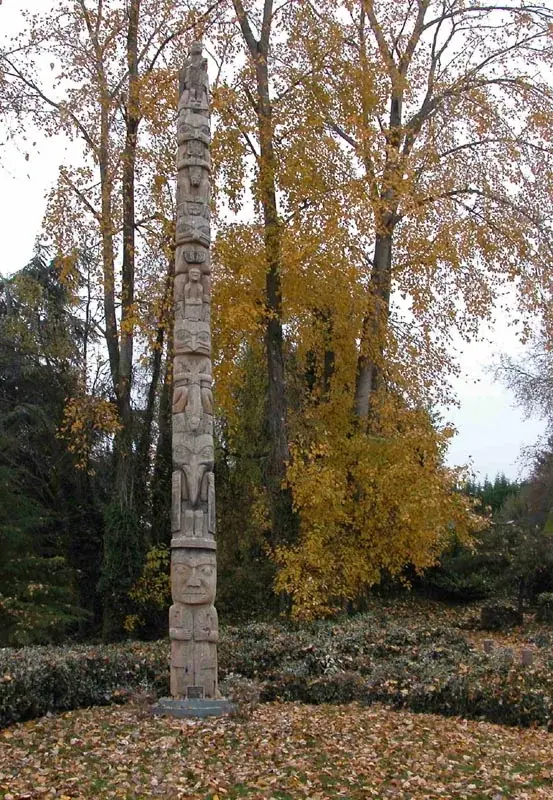
Across the bridge to the east, East Montlake Park follows the Union Bay shore and is known for a Haida totem pole dating to 1937. The park has been closed since 2019 for SR 520 bridge replacement work, so confirm its status before you plan a visit.
The Seattle Yacht Club
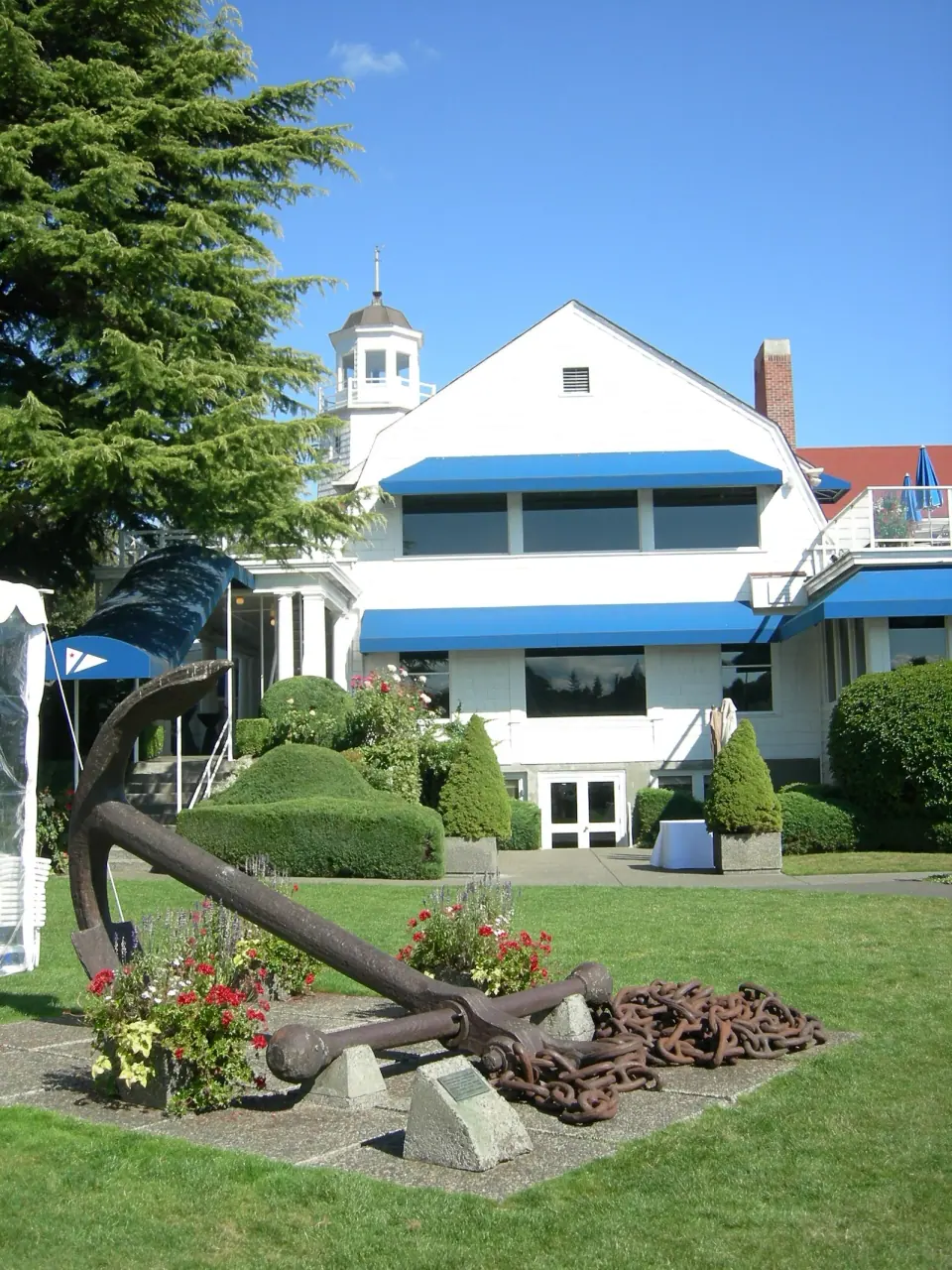
Right next to West Montlake Park stands the Seattle Yacht Club, founded at this spot in 1920. It is still a working club as well as a designated City of Seattle landmark, so pause on the nearby public paths to admire its historic building.
Parks and Green Space in the Montlake Neighborhood
For such a small area, Montlake holds a remarkable amount of open land. With the ravines, the playfield and the Arboretum next door, you can spend a full afternoon outdoors without ever leaving the neighborhood.
Montlake Playfield
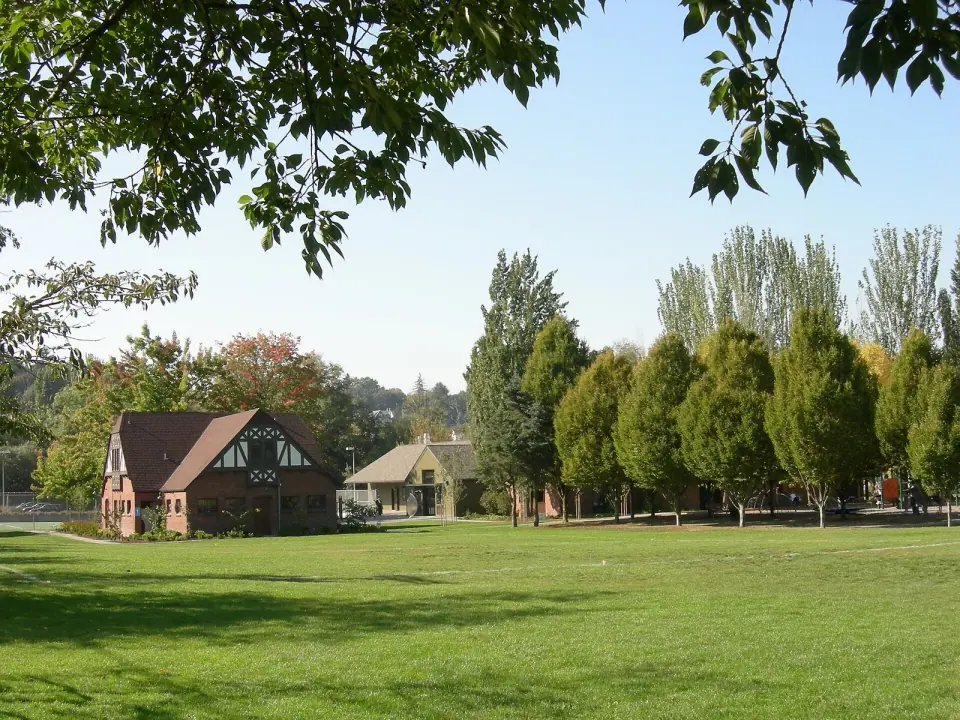
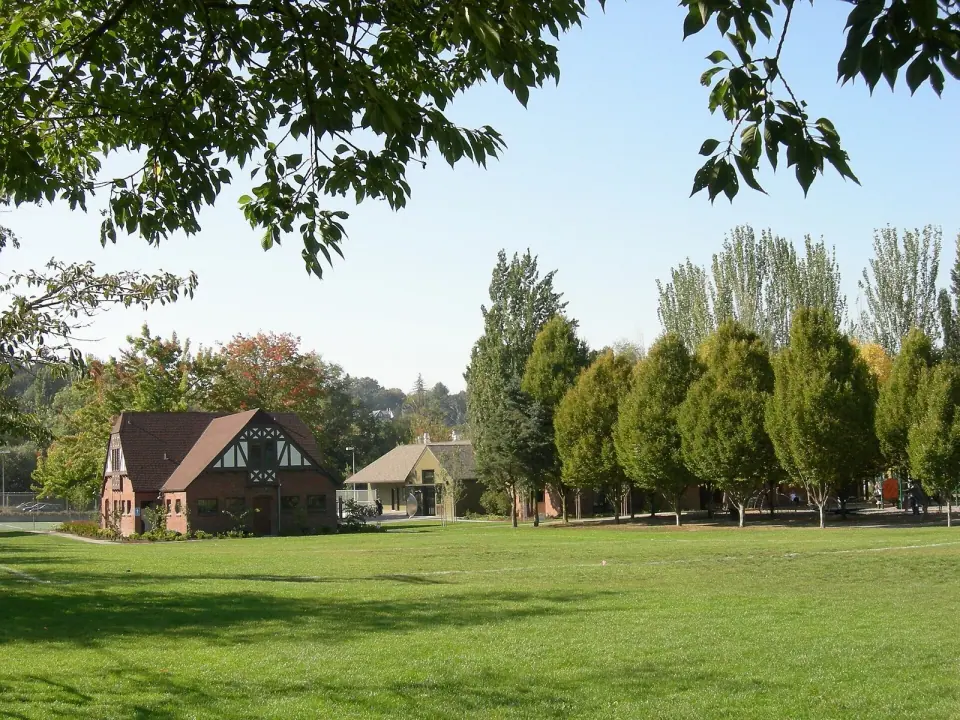
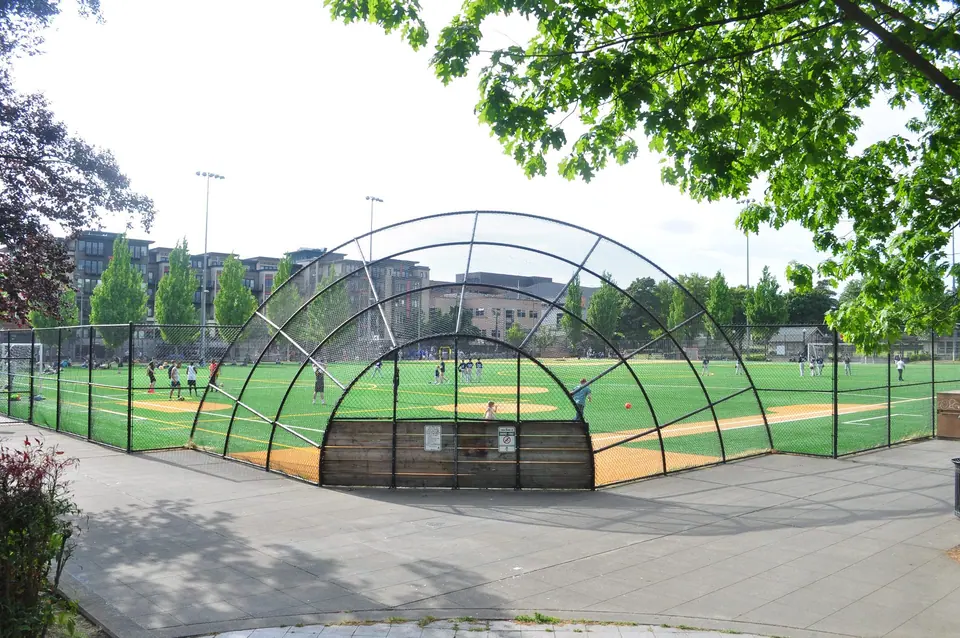
Head to Montlake Playfield, which spreads across 27 acres along Portage Bay. Long before the city dedicated the park in 1935, this ground was a peat bog and then a dahlia farm. Today it is the neighborhood's main place for sports and wide open lawns.
Interlaken Park
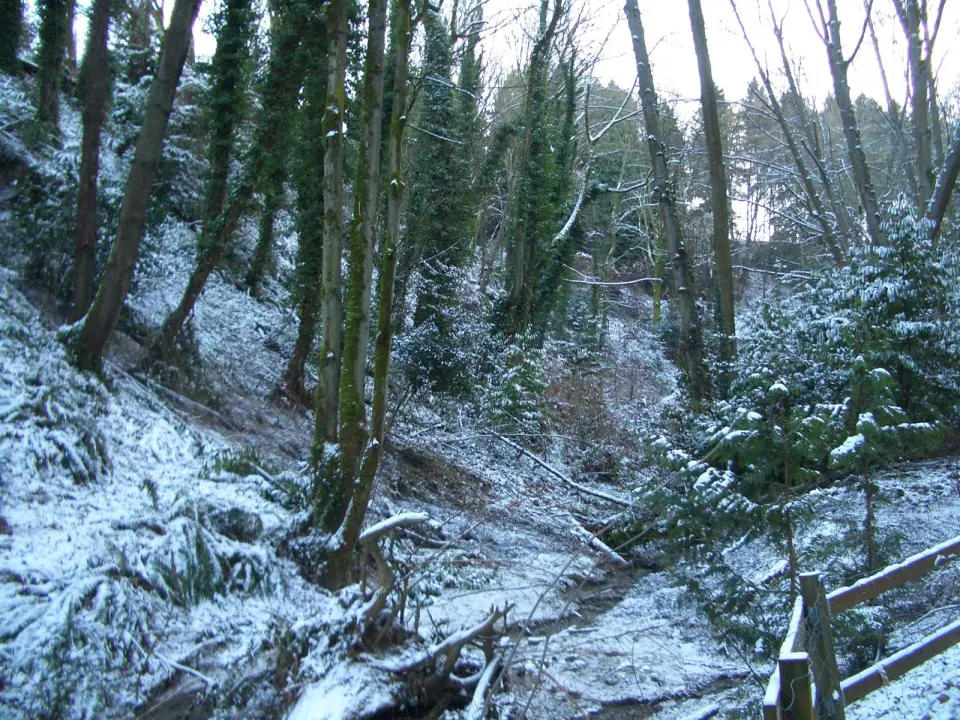
Wander into Interlaken Park, 51.7 acres of wooded hillside and ravine that form the natural boundary with Capitol Hill. Part of its boulevard is closed to cars, which makes it a pleasant route on foot or by bike.
The Arboretum Edge
The Washington Park Arboretum borders Montlake to the east. Nearby you will find historic features such as the Arboretum Aqueduct and the Lake Washington Bicycle Path, both handy landmarks for a longer ride or stroll.
Community Center and Historic Buildings
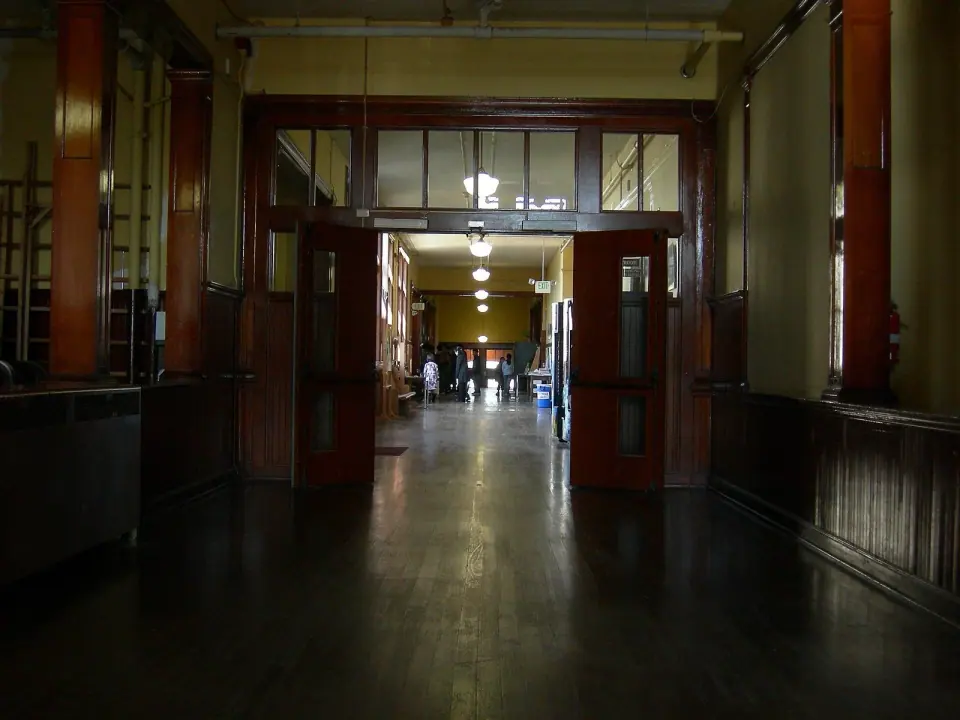
Beside the playfield, the Montlake Community Center at 1618 E Calhoun St is City of Seattle Landmark No. 281. Take in its brick and wood frame, then notice the surrounding homes, some of the most distinctive early 20th century houses in the area.
Several other historic sites are just a short walk away. Look for Montlake School, the Boyer/Lambert House, the Harvard-Miller/Roanoke Annex and the Grand Army of the Republic Cemetery, each tied to the city's early decades.
Browse the Little Main Street on 24th Avenue East
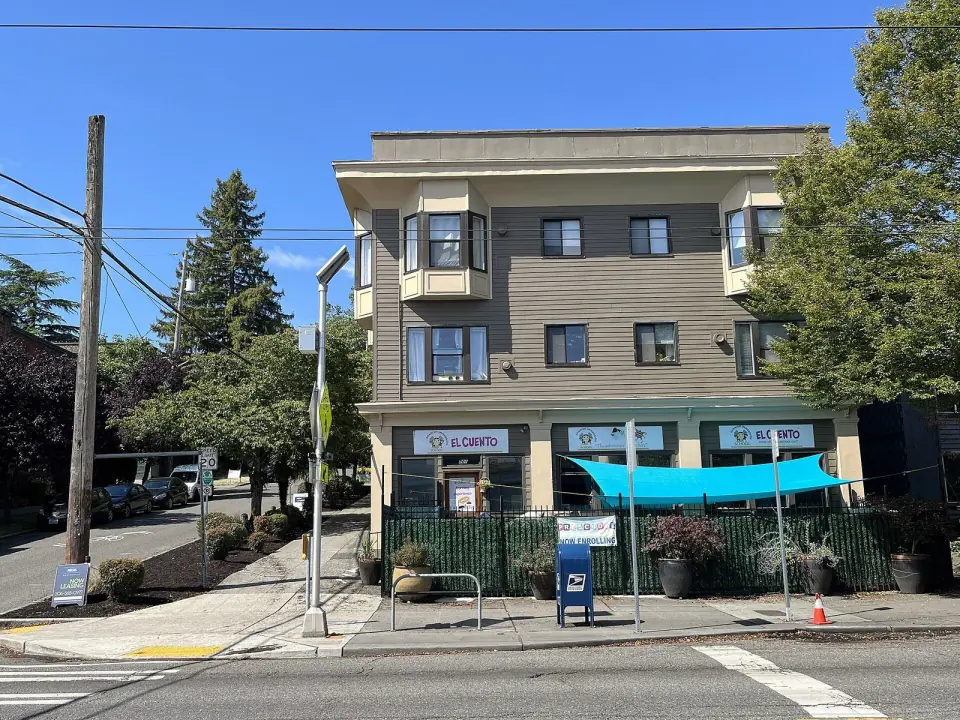
Montlake's commercial strip is tiny and mostly serves residents. Stroll 24th Avenue East and you will pass a small market, a dry cleaner, Mr. Johnson's Antiques and Cafe Lago, a long-standing Italian restaurant that draws diners from beyond the neighborhood.
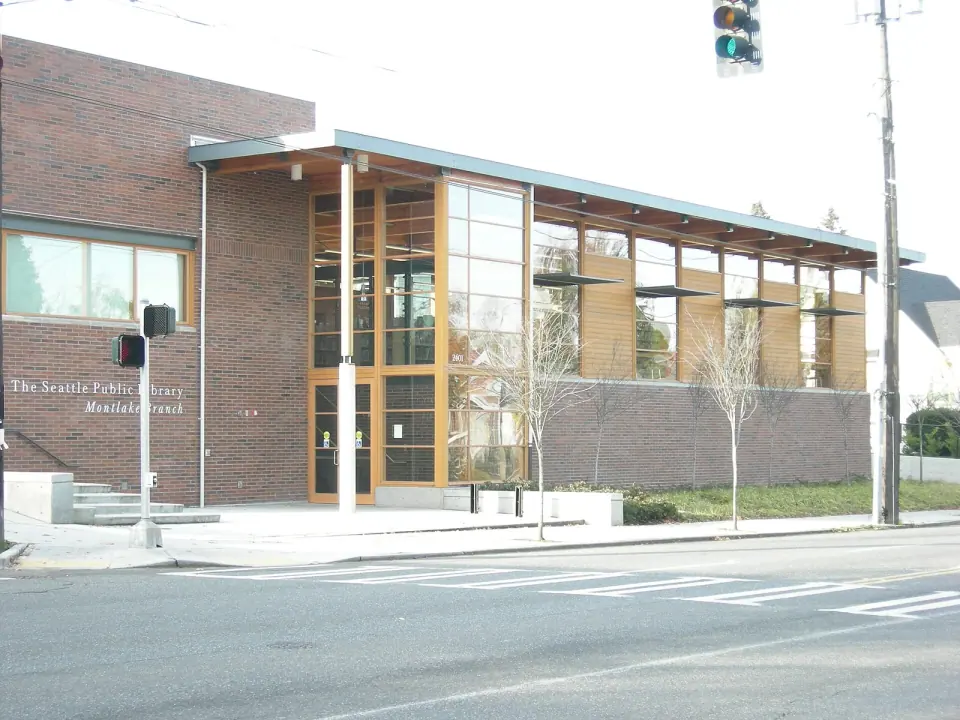
On the same stretch, step into the Montlake Branch Library. This compact Seattle Public Library building opened in 2006, and the sundial built into its skylight makes it well worth a look inside. Check with the library for current hours.
A Short History of the Neighborhood
As you walk the streets, you are seeing the work of developers John E. Boyer and Herbert Turner, who led the building of most of Montlake between 1903 and the early 1930s. That era gives the neighborhood its look, with Craftsman bungalows and Tudor style homes on single-family lots.
The Spite House
Find one of the city's odder landmarks at 2022 24th Avenue E. In 1925, after a neighbor made a lowball offer on a sliver of land, the builder put up an 860-square-foot house that blocked the neighbor's open space. It narrows to just 55 inches at one end and is still lived in, so enjoy it from the sidewalk.
Freeway Fights
Residents organized through the Montlake Community Club have a long record of activism, which critics have labeled NIMBY-ism. The club fought SR 520's route through the neighborhood and the Arboretum, though the highway opened in 1963.
Neighbors had more success in the 1960s against the R.H. Thomson Expressway, a planned second north-south freeway that would have sliced through the western Arboretum. The project stopped early, but unused ramps lingered at the Arboretum's north end until the 520 expansion of the 2010s.
Institutions Past and Present
The Museum of History and Industry called Montlake home from 1952 to 2012. The neighborhood still hosts the Northwest Fisheries Science Center, part of the National Marine Fisheries Service, which dates to 1931. St. Demetrios, a Greek Orthodox church built in 1963, stands on land that once belonged to a garden business called Dahlialand.
Plan Your Visit
Montlake is best explored slowly, on foot or by bike. For a satisfying loop, start at West Montlake Park, follow the water to the playfield, climb through Interlaken Park and finish with a meal on 24th Avenue East.
- Expect quiet residential streets rather than a busy shopping district.
- Check park and bridge status in advance, since 520 construction has affected access near the Cut.
- Treat the Spite House and historic homes as private residences.