Where the Hill Begins and Ends
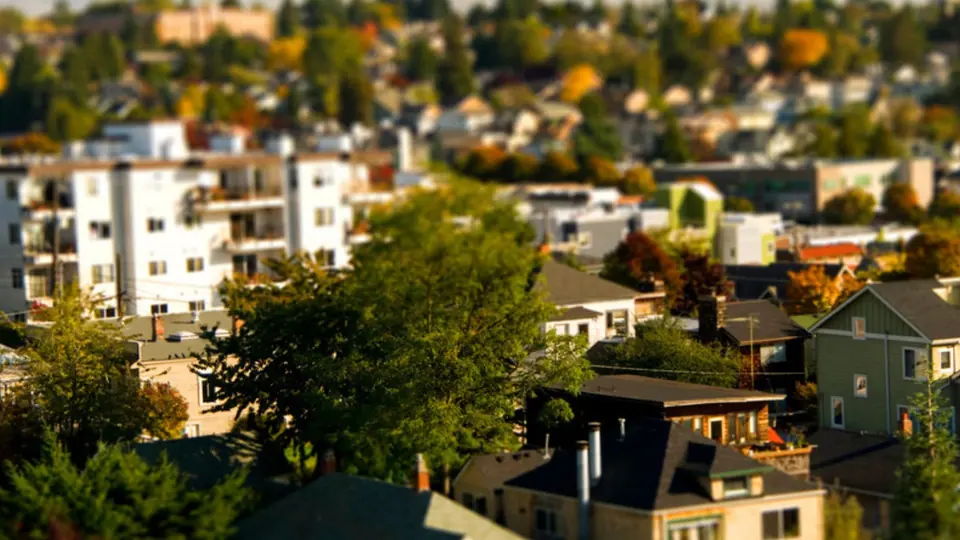
Learn the boundaries before you trust a listing that says Capitol Hill. Interstate 5 marks the western edge, with downtown sitting directly across the freeway. To the north, State Route 520 and the wooded ravine of Interlaken Park separate the hill from Portage Bay and Montlake.
Head south past E. Pike and E. Madison Streets and you reach First Hill and the Central District. On the east side, the neighborhood gives way to Madison Valley around 23rd and 24th Avenues E. Keep these lines in mind, because an apartment advertised as near Capitol Hill may actually sit in one of those neighboring areas.
Plan for the slopes
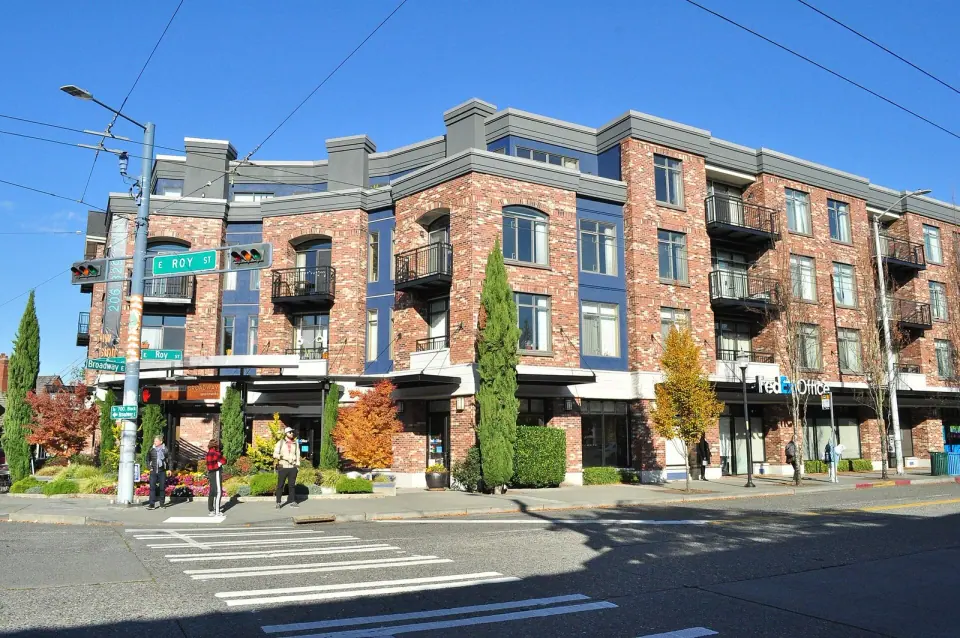
Some of Seattle's steepest grades rise right here. The steepest paved street in the city is a stretch of E. Roy Street between 25th and 26th Avenues E., climbing at a 21 percent pitch. If you plan to carry groceries home or bike to work, walk the route between your door and the nearest stop before you commit.
Getting Around Without a Car
Transit makes one of the strongest cases for life on the hill. Catch the Link 1 Line at the Capitol Hill light rail station on Broadway, south of John Street and Olive Way, which opened in March 2016. From there, trains carry you north to the University of Washington or south into downtown.
A short walk from the station, the First Hill Streetcar ends on Broadway at Denny Way, where it has been running since January 2016. King County Metro trolleybus routes 10, 12, 43 and 49 round out your options across the neighborhood.
Riding the Madison Street corridor
Along the southern edge, hop on the RapidRide G line to connect downtown, First Hill and Capitol Hill, then continue on to Madison Valley and Madison Park. At peak times buses arrive roughly every six minutes, and center boarding stations sit between 9th and 13th Avenues. Routes and frequencies can change, so confirm current schedules with King County Metro before you plan your commute.
Choosing Your Block: Lively Core or Calmer Streets
After dark, the liveliest stretch is the Pike-Pine corridor, running from Boren Avenue east to 15th. Bars, restaurants, coffee shops and music venues crowd these blocks, while Broadway carries much of the remaining activity. Live right in the middle of it and everything is at your door, along with the evening crowds.
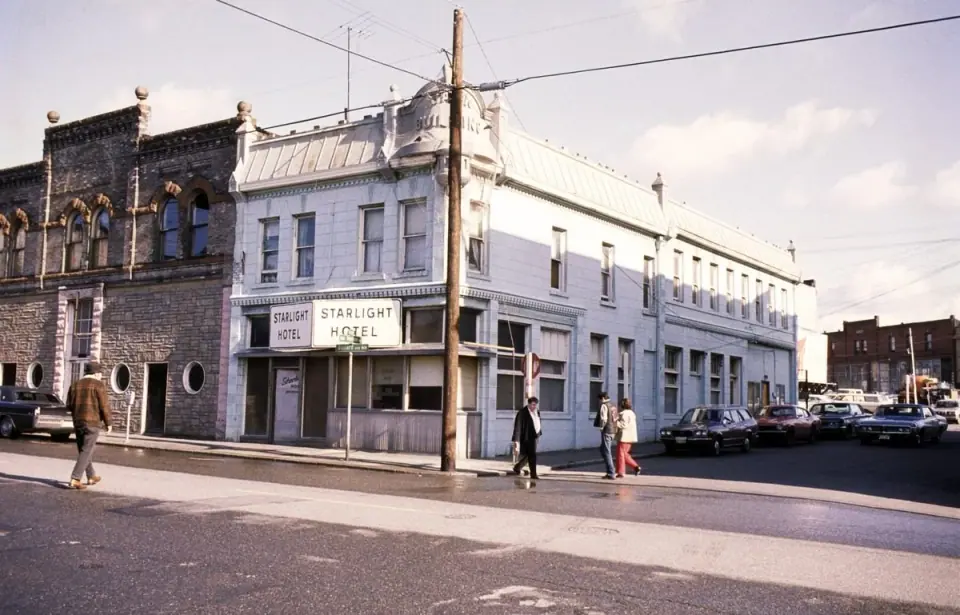
Look up at the buildings as you stroll and you are seeing what was once Seattle's auto row: by 1911, 31 of the city's 41 car dealerships clustered around Pike, Pine and Broadway. Their roomy spaces later drew artists and the LGBTQ community, and many still stand as landmarks or have been folded into newer developments.
Every late July since 1997, the Capitol Hill Block Party turns Pike Street and nearby blocks into an outdoor music festival. If you rent close to Pike, check the official festival site for dates so the weekend never catches you off guard.
Historic apartment houses
Some residential buildings here hold official City of Seattle landmark status. One is Highland Apartments on 11th Ave E, less than a tenth of a mile from Volunteer Park. Another is La Quinta on E. Denny Way, in the Stevens area alongside other protected buildings such as St Joseph's Church and Capitol Hill United Methodist Church. Walk these streets to see the older, more residential side of the hill.
Parks, Markets and Everyday Errands
Spend a free afternoon in Volunteer Park, the neighborhood's big green space, spread across 48.3 acres and designed in the Olmsted tradition. Climb the 1906 water tower to its observation deck, browse the Seattle Asian Art Museum, or step into the 1912 Volunteer Park Conservatory. The top of the hill, 444 feet above sea level, sits right beside the water tower.
Closer to Broadway and Pine, Cal Anderson Park and Bobby Morris Playfield serve as the main gathering place. The smaller spots count too: Tashkent Park, dedicated in 1974, cuts through an apartment block and offers lawn, shade and plenty of seating.
For dog owners
Bring your dog to Plymouth Pillars Park, a 0.6-acre off-leash area at Boren Avenue and Pike Street. It wraps around four columns saved from a church damaged in the 1965 earthquake, with a walkway above I-5.
Shopping and borrowing
Pick up groceries at the Capitol Hill Farmers Market, held on Sundays and Tuesdays at E Denny Way and Broadway E, a block from Cal Anderson Park. Then borrow a book at the Capitol Hill Branch Library at Harvard Avenue East and Republican Street, housed in a 2003 building by Cutler Anderson Architects. Check official sites for current hours.
Know Your Rights Before You Sign
Rental housing in Washington falls under the state's Residential Landlord-Tenant Act, and Seattle adds many of its own rules on top, several of them stricter than state law. Take some time to read up before you commit to a lease.
The City of Seattle requires landlords to give new tenants a printed copy of its Renter's Handbook when they sign an initial rental agreement. A digital version is allowed for renewals, for month-to-month tenants each year, and whenever the city updates the handbook. The current edition is 2025, and you can download a printer-friendly copy from the city's Renting in Seattle website, which also covers fair housing, evictions and common problems.
Thinking about renting out your place short term?
Seattle treats a stay of fewer than 30 consecutive nights as a short-term rental. Anyone running one, including a lawful tenant, needs a city operator license, and every listing must display the license number. Read the city rules and your lease before you try it.